
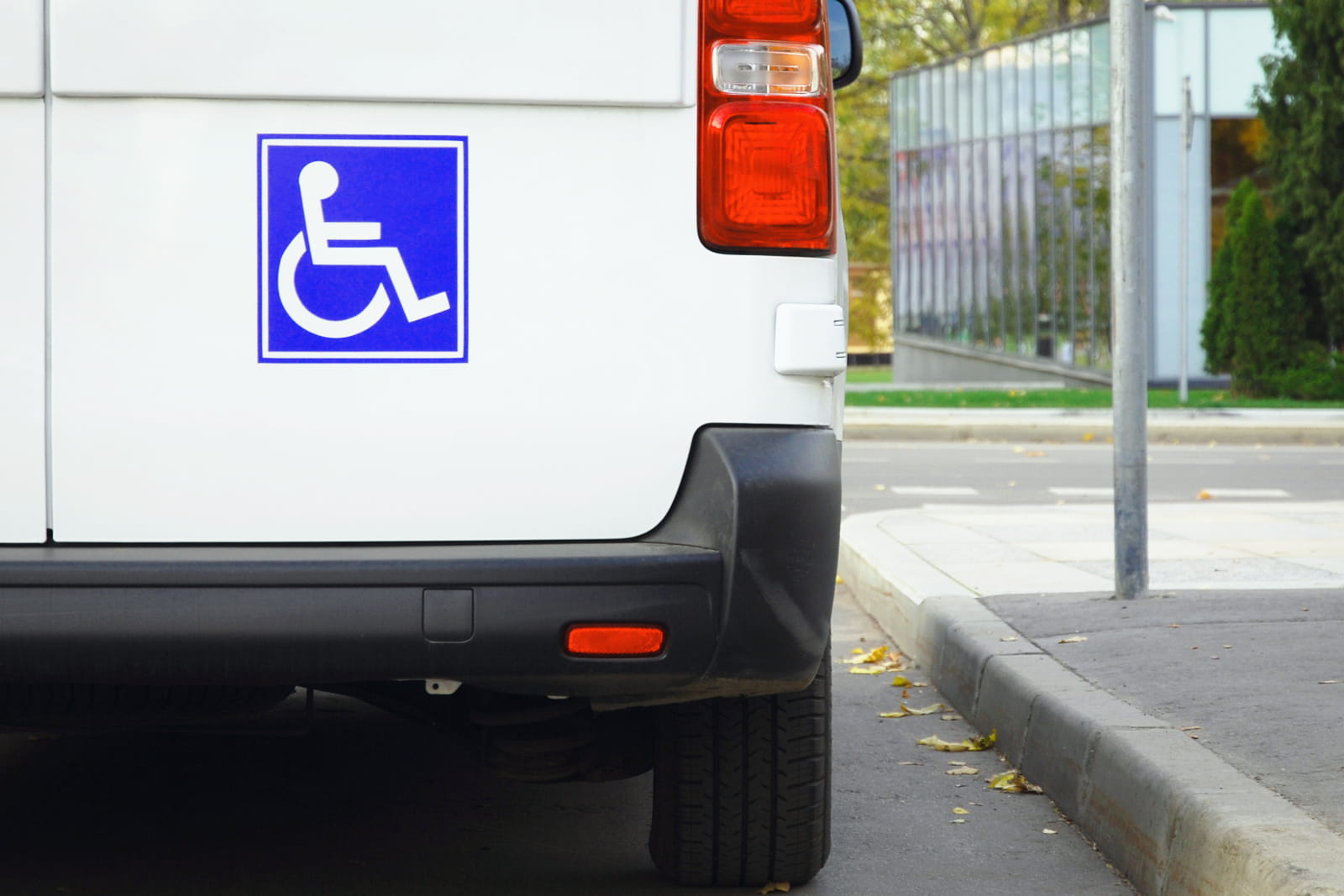
How Passenger Lifts Transform Mobility
Passenger lifts play a crucial role in making modern transport more inclusive and practical for people with mobility challenges. Across vans, minibuses, and recreational vehicles, these systems allow passengers to travel safely without the physical strain and inconvenience often associated with manual lifting or transfers. As accessibility becomes a growing priority worldwide, passenger lifts are no longer seen as optional extras but as essential mobility solutions.
Passenger lifts also benefit families, organisations, and transport operators by improving safety, efficiency, and comfort. They support independence for wheelchair users while reducing the risk of injury for carers and drivers.
What Are Passenger Lifts?
Passenger lifts are mechanical platforms installed on vehicles to help passengers move between ground level and the vehicle interior. Unlike building lifts, these systems are specifically designed to handle vibration, uneven surfaces, and frequent use. They are commonly fitted to vans, minibuses, and emergency vehicles, either at the rear or side doors depending on access requirements.
Real-world data shows that accessible vehicle modifications significantly improve travel participation. A 2024 mobility study reported that over 65 percent of wheelchair users travelled more frequently once their vehicle was fitted with a lift system. Passenger lifts remove the physical and psychological barriers that often prevent people from travelling independently.
Because no two vehicles or users are the same, passenger lifts are typically built to order. Precise measurements and vehicle assessments ensure the lift integrates seamlessly with the vehicle structure. This tailored approach improves reliability, safety, and long-term performance, particularly for vehicles that operate daily.
How Passenger Lifts Work
Passenger lifts operate using hydraulic or electric systems that raise and lower a secure platform. The system is controlled via a switch or remote, allowing smooth and controlled movement. Modern designs focus on gradual acceleration and deceleration to improve comfort and reduce mechanical wear.
The process is simple and consistent. The platform lowers to ground level, the passenger boards while seated in a wheelchair or standing, and the lift raises them to the vehicle floor. Safety features such as non-slip surfaces, automatic brakes, and controlled stopping points ensure stability throughout the lift cycle.
According to transport safety data, powered lifting systems reduce caregiver injury rates by more than 50 percent compared to manual lifting methods. Advanced passenger lifts also include sensors and backup safety switches, ensuring the system stops immediately if an obstruction or fault is detected.
Benefits of Using Passenger Lifts
Passenger lifts deliver measurable improvements in accessibility, safety, and daily convenience. Research from accessibility organisations shows that reliable lifting systems significantly increase confidence among passengers with mobility limitations, directly improving quality of life and social participation.
Passenger lifts also streamline transport operations. Faster boarding times, reduced physical effort, and safer transfers benefit both passengers and operators, particularly in high-use environments such as community transport or emergency services.
Key benefits of passenger lifts include:
- Improved accessibility without transferring out of a wheelchair
- Reduced physical strain for carers and operators
- Enhanced safety through secure platforms and sensors
- Faster and more efficient loading and unloading
- Greater independence for passengers
When these benefits are combined, passenger lifts become more than a convenience. They act as long-term mobility enablers, supporting inclusive travel while lowering injury risks and operational stress. Over time, the value they provide far outweighs the initial investment.
Choosing the Right Passenger Lift for Your Vehicle
Selecting the correct passenger lift requires careful planning and a clear understanding of how the vehicle will be used. Vehicle size, door configuration, and available space all influence whether a rear-entry or side-entry lift is the most practical option.
Passenger needs are equally important. Wheelchair dimensions, passenger weight, and whether stretcher access is required will affect lift capacity and platform size. Industry data shows that lifts matched correctly to user needs last longer and require less maintenance over their lifespan.
Important factors to consider include:
- Vehicle type and door placement
- Passenger weight and mobility aid size
- Frequency of use and operating environment
- Hydraulic versus electric operation
- Available interior and exterior space
A properly chosen passenger lift ensures smooth operation, improved safety, and long-term reliability. Custom-built solutions provide the best results, as they are designed specifically for the vehicle and passengers rather than adapted from generic systems.
Wheelchair Lifts and Ramps
Wheelchair lifts and ramps are designed to allow wheelchair users to travel comfortably alongside other passengers. They remove the need for manual lifting and eliminate the requirement to store heavy wheelchairs separately. This makes everyday travel far more manageable.
Data from transport accessibility reports shows that vehicles equipped with wheelchair lifts reduce boarding time by up to 40 percent. This is especially valuable for short trips, where frequent stops would otherwise be physically demanding for both users and carers.
Modern wheelchair lifts are compact, foldable, and engineered to maximise interior space. Safety systems ensure the wheelchair and passenger remain secure during lifting and travel, while the vehicle remains suitable for able-bodied passengers.
Wheelchair Lifts for Full-Size Vans and Recreational Vehicles
Full-size vans and recreational vehicles offer the space needed to accommodate larger wheelchairs and mobility scooters. Passenger lifts designed for these vehicles support higher weight capacities and automatic operation, making them suitable for families and group travel.
In real-world use, full-size vehicle lifts have proven highly effective. Industry figures indicate that lifts with higher weight ratings experience fewer mechanical failures due to operating well within design limits. This improves reliability and reduces long-term servicing costs.
Advantages of wheelchair lifts for full-size vehicles include:
- Higher lifting capacities for power wheelchairs and scooters
- Automatic operation with minimal effort
- Side or rear entry configurations
- Improved interior space management
- Safer group travel for mixed mobility passengers
When professionally installed and maintained, these lifts provide dependable performance for many years. They allow RVs and vans to remain flexible, comfortable, and accessible without compromising passenger safety.
Who Offers Custom Tail Lift Solutions For Specialized Vehicles?
Custom passenger lifts are essential for specialised vehicles where standard solutions are not suitable. At Dhollandia SA, we specialise in designing and supplying passenger lifts that are tailored to exact vehicle and user requirements across South Africa.
With branches in Port Elizabeth, Cape Town, Durban, and Johannesburg, we combine strong local expertise with proven engineering. Our range includes cantilever, slider, fold-away, and column lifts with capacities from 150 kg to 16,000 kg, supporting both personal and commercial applications.
At Dhollandia SA, we provide:
- Custom-built passenger lift solutions
- Professional installation and servicing
- 24-hour national breakdown support
- Warranty assistance and ongoing maintenance
- Servicing for multiple lift types and applications
This level of support ensures our lifts remain safe, reliable, and compliant throughout their lifespan. Our experience and customer-focused approach allow us to build long-term partnerships while delivering dependable accessibility solutions for specialised vehicles.
Turning Accessibility Into Action
Passenger lifts have become essential for creating accessible, safe, and reliable transport in vans, minibuses, and RVs. By improving independence, reducing injury risks, and supporting inclusive travel, passenger lifts deliver lasting value for passengers and operators alike.
At Dhollandia SA, we understand the importance of dependable accessibility solutions. We work closely with our customers to design, install, and support passenger lifts that meet real-world needs. Get in touch with us today so we can help you take the next step towards safer, more accessible mobility.