
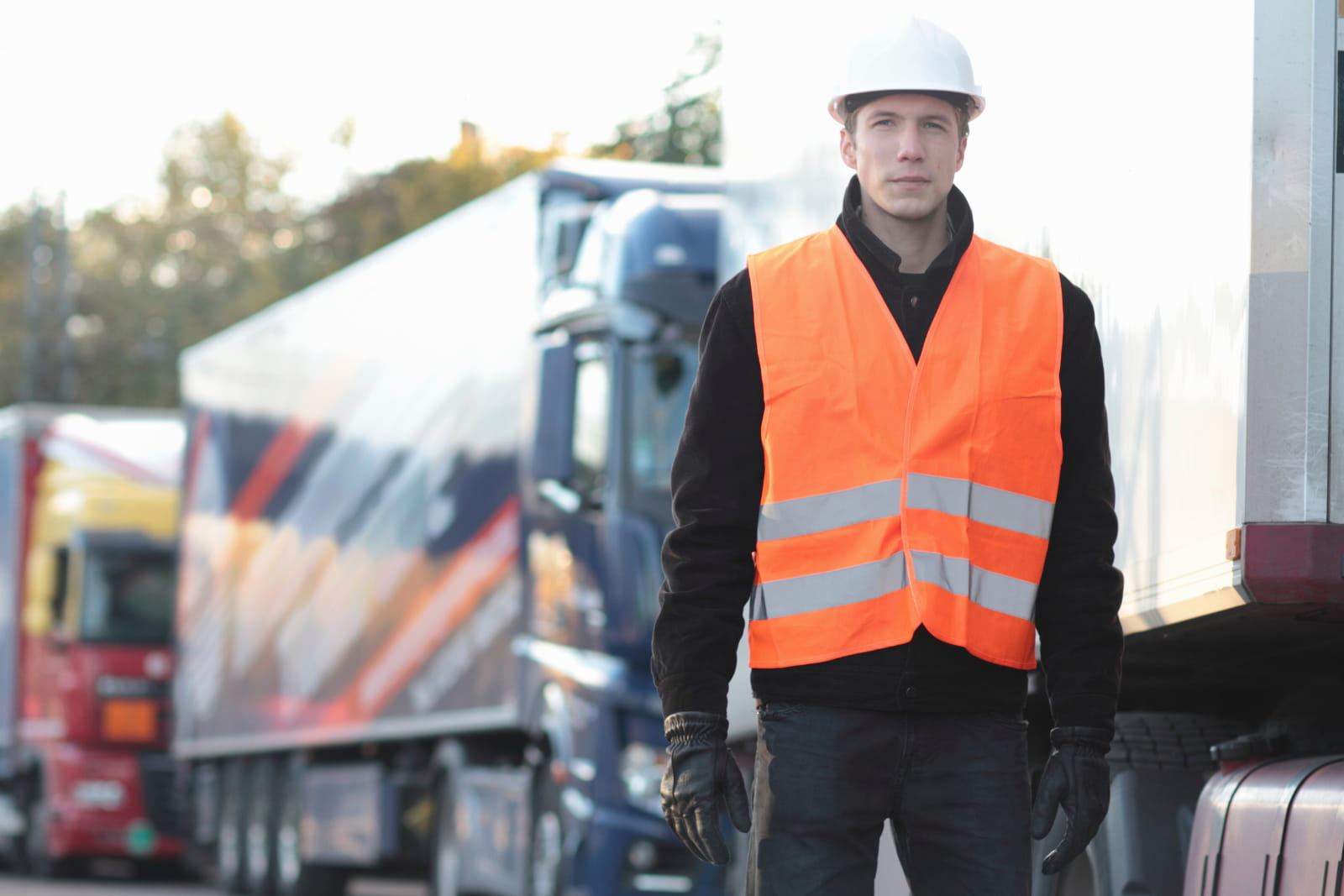
5 Safety Measures To Follow When Operating Tail Lifts
Tail lifts are essential tools for safely loading and unloading heavy goods in logistics, warehousing, and construction. While they make moving cargo easier and faster, operating a tail lift truck without following proper safety measures can lead to serious accidents, injuries, or damage to both cargo and vehicles. Knowing and implementing key safety practices ensures that both your team and your equipment are protected.
In this article, we will explore five crucial safety measures you must follow when operating tail lifts. These measures are practical, actionable, and designed to help operators work more efficiently while maintaining a safe environment for everyone involved.
1. Observe Weight Limits
Operating tail lifts within the recommended weight limits is a critical safety step. Exceeding these limits can lead to lift failure, tipping, or damage to the hydraulic system. Always check the manufacturer’s specifications and compliance plates before loading any cargo.
- Check the tail lift’s maximum load capacity.
- Distribute cargo evenly across the platform.
- Avoid placing heavy items at the edges.
- Use certified handling equipment like pallet jacks.
- Regularly monitor axle weight compliance for road safety.
Even experienced operators can underestimate load impact. Distributing weight properly reduces strain on the hydraulic system and maintains stability. According to Transport Canada, overloading or improperly balanced cargo accounts for over 4% of commercial vehicle incidents in 2020. Proper adherence to weight limits protects your team, cargo, and vehicle while reducing the risk of costly accidents.
By consistently observing weight limits, operators can maintain operational efficiency and prevent unexpected downtime. Tail lifts are designed to carry loads safely, but respecting these specifications ensures their longevity and reliability.
2. Secure Cargo Properly
Ensuring that cargo is secured on tail lifts is essential for preventing accidents during lifting or transport. Loose or unstable items can shift, posing hazards to operators and others nearby.
- Inspect cargo before loading for damages or loose items.
- Use ratchet straps, ropes, or cargo bars for securement.
- Position heavier items at the bottom and lighter items on top.
- Avoid overstacking that may obstruct visibility or balance.
- Test securement by gently moving the load before operating the lift.
Properly secured cargo protects not only the operator but also the goods being transported. Studies have shown that improper cargo securement contributes to 33% of vehicle load-related damages in freight transport. Taking a few minutes to check and secure items correctly can prevent serious incidents on-site or on the road.
When cargo is correctly secured, operations become smoother, safer, and more predictable. Tail lifts allow you to handle heavy loads efficiently, but the safety of everyone around depends on ensuring loads remain stable at all times.
3. Use the Control Panel Correctly
The control panel is the command centre of the tail lift, and proper use is essential to prevent accidents. Operators must understand all controls and indicators to manage the lift safely.
- Study the tail lift manual and familiarise yourself with all buttons.
- Check that the area around the lift is clear before operation.
- Use the correct lift or lower settings and adjust height gradually.
- Test emergency stop buttons before starting operations.
- Inspect panel functionality regularly, including overload indicators.
Misuse of the control panel is a common cause of tail lift accidents. A clear understanding of controls and pre-operation checks ensures smooth operation, even under time pressures. Data from logistics operations indicate that operator error contributes to nearly 20% of workplace lifting accidents. Familiarity with controls reduces human error significantly.
By following proper control panel procedures, operators can prevent sudden equipment failures and avoid endangering themselves, colleagues, or cargo. Consistent training and checks are key to safe and efficient tail lift operation.
4. Conduct Regular Inspections and Maintenance
Regular inspection and maintenance of tail lifts are essential to ensure safety and reliability. Routine checks can identify issues before they become critical hazards.
- Conduct pre-use inspections of the platform, hydraulic system, and safety sensors.
- Check oil levels, hoses, cylinders, and moving parts for leaks or wear.
- Grease hinges, pins, and pistons regularly to reduce friction.
- Keep detailed maintenance records for tracking repairs and servicing.
- Follow manufacturer guidelines for scheduled maintenance.
Neglecting inspections can result in serious accidents or costly downtime. For example, a 2016 incident at a retail warehouse saw a jammed tail lift drop a pallet of goods, injuring staff. Regular checks prevent such scenarios, ensuring operators can trust the equipment every day.
Proper maintenance also extends the lifespan of your tail lift. Operators who adhere to inspection schedules and service requirements experience fewer breakdowns and better overall performance. Safety and efficiency go hand in hand when tail lifts are maintained correctly.
5. Follow Personal and Workplace Safety Practices
Even the most reliable tail lifts require responsible operator behaviour. Personal protective equipment and safe work practices are critical for reducing risks.
- Wear gloves, steel-toe boots, and high-visibility clothing.
- Ensure the work area is clear and communicate with team members.
- Establish hand signals or verbal cues for coordinated lifting.
- Avoid operating lifts on uneven, slippery, or congested surfaces.
- Close gates or doors before raising or lowering cargo.
Human error accounts for a significant portion of workplace accidents involving tail lifts. Being aware of your surroundings and using protective gear reduces the likelihood of injuries. According to logistics safety studies, workers following PPE guidelines have up to 40% fewer incidents on-site.
Adopting consistent safety practices creates a safer environment for operators and colleagues. Tail lifts are valuable tools, but safety depends on both equipment and operator vigilance.
Who Supplies Tail Lifts That Meet South African Safety Standards?
When it comes to tail lifts that meet South African safety standards, we at Dhollandia SA pride ourselves on delivering quality, reliable solutions. Since 2018, we have provided a comprehensive range of tail lifts from 150kg up to 16,000kg. Our product line includes cantilever, slider, fold-away, and column lifts, as well as special-order passenger and van lifts tailored to client needs.
- Full installation, maintenance, and repair services.
- Nationwide 24-hour breakdown support.
- Expertise from a team with over 20 years’ combined experience.
- Safety-focused features, including corrosion-resistant materials and robust finishes.
- Tail lifts customised to operational requirements and compliance standards.
We make it our mission to ensure every tail lift we supply meets strict safety requirements while remaining easy to operate and maintain. By choosing us, operators receive not only high-quality equipment but also the knowledge and support needed to implement best practices on every job. Tail lifts from Dhollandia SA are designed to keep your team and cargo safe while maximising efficiency.
At Dhollandia SA, we continuously combine local expertise with global innovation. We focus on service delivery, quick response times, and personalised support to help businesses operate safely and reliably.
Keeping Your Tail Lifts Safe and Efficient
Following these five safety measures for operating tail lifts will help protect your team, cargo, and vehicles while improving operational efficiency. Observing weight limits, securing cargo, using the control panel correctly, performing inspections, and following workplace safety practices are the foundation of safe lift operations. Real-world data shows that adherence to these measures significantly reduces accidents and equipment failures.
If you want tail lifts that meet South African safety standards and come with expert guidance, maintenance, and support, get in touch with us at Dhollandia SA. Our team is ready to help you select, install, and maintain lifts that keep your operations safe, efficient, and reliable every day.
FAQs About Tail Lifts and South African Safety Standards
Tail lifts are hydraulic or electric lifting platforms attached to the back of trucks or vans. They make loading and unloading heavy cargo safer and more efficient, reducing the risk of injury from manual lifting. In South Africa, using tail lifts correctly helps businesses comply with workplace health and safety regulations while protecting drivers, operators, and cargo.
Yes, tail lifts in South Africa must comply with national safety regulations under the Occupational Health and Safety Act (OHSA). This includes regular inspections, proper maintenance, clearly marked weight limits, and operator training. Equipment that meets these standards ensures legal compliance and reduces workplace accidents.
Tail lifts that meet local safety standards typically have compliance plates, clearly stated maximum load capacities, and safety features such as emergency stop buttons, sensors, and lockable gates. Professional suppliers will also provide installation, maintenance, and operator training in line with national regulations.
Only certified and experienced suppliers should install and maintain tail lifts. They ensure proper alignment, hydraulic function, and electrical safety. Regular servicing, inspections, and lubrication of moving parts are also required to keep lifts operating safely and within legal compliance.
Operators should conduct pre-use inspections every day before loading or unloading. Comprehensive maintenance checks should occur at least monthly, with professional servicing as per the manufacturer’s guidelines. Consistent inspections prevent equipment failure and help avoid accidents caused by worn or damaged components.
Yes, operator training is essential for safe and legal tail lift use. Training covers weight limits, load securing, control panel operation, emergency procedures, and daily inspections. Proper training reduces human error, improves efficiency, and ensures adherence to South African safety standards.
Tail lifts are designed to handle a wide range of cargo, from heavy machinery to furniture and fragile goods. However, it is vital to respect the manufacturer’s weight limits and secure loads properly. Some lifts are specifically designed for vans, passenger vehicles, or large commercial trucks, ensuring safety across different applications.
If a tail lift malfunctions, stop using it immediately and contact a qualified service provider. Do not attempt repairs without proper training. In South Africa, suppliers like Dhollandia SA offer nationwide 24-hour breakdown support and warranty assistance, ensuring the lift is repaired safely and efficiently.