
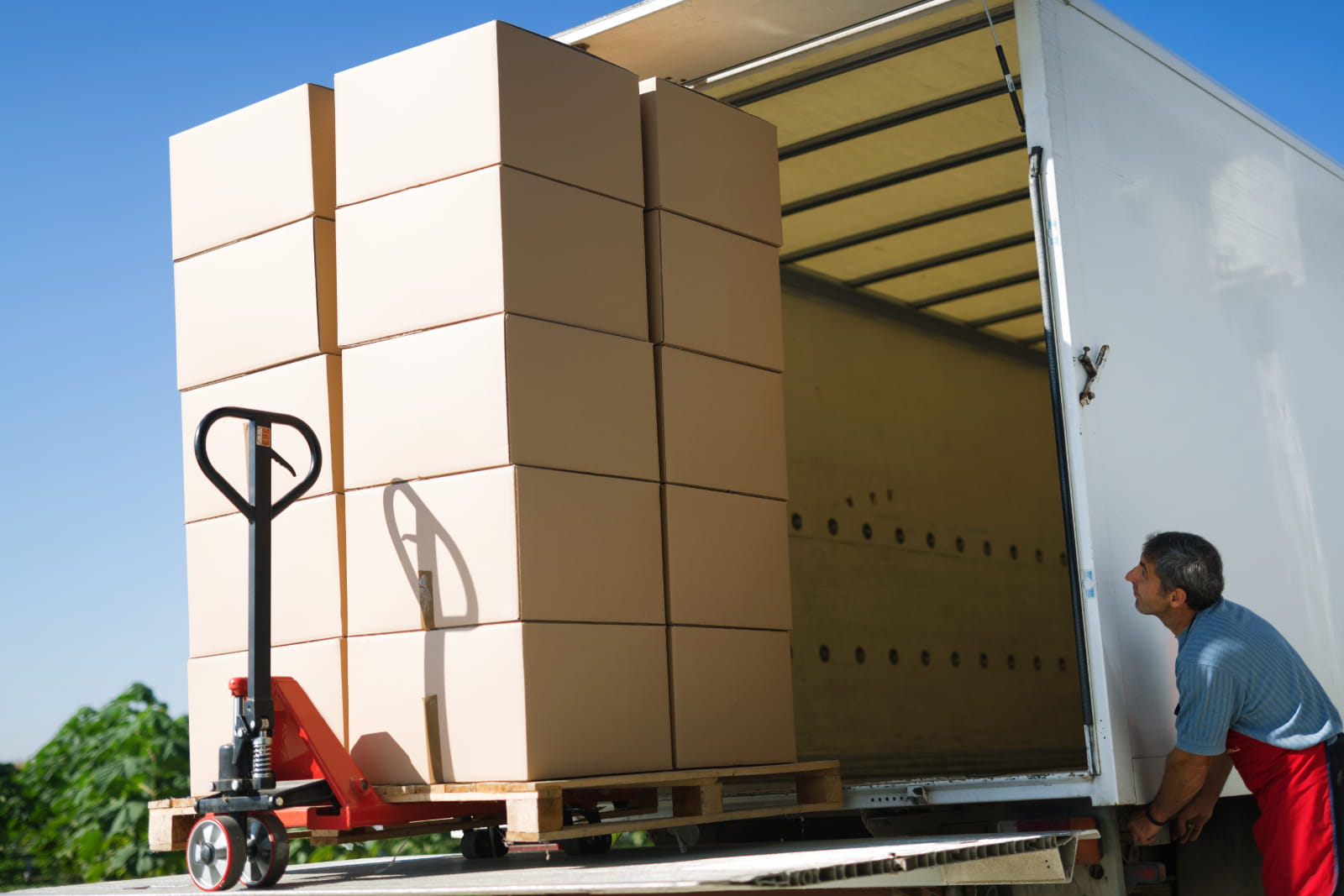
Loads & Stakes: Why Accurate Weight Distribution Is Crucial
When you are moving massive amounts of cargo across South African roads, the stability of your vehicle is everything. Achieving heavy loads, high stakes: the importance of accurate weight distribution starts the moment your goods touch the platform. If a load is placed haphazardly, it does more than just look messy; it puts immense strain on your equipment and creates a dangerous environment for your drivers and the public. Getting the balance right is a fundamental part of operating tail lifts safely and efficiently. Whether you are dealing with pallets of FMCG goods or heavy industrial machinery, understanding how weight affects the mechanics of your lifting gear is vital. By focusing on even distribution, you ensure that every delivery is handled with the precision required to keep your business moving without unnecessary risks or mechanical failures.
The Mechanical Impact of Improper Loading on Tail Lifts
When a load is concentrated on one side of a platform, it forces the lifting arms and hydraulic cylinders to work unevenly. This off-centre loading creates a twisting motion that can warp the platform over time or cause the pins and bushes to wear down much faster than they should. Because tail lifts are designed to lift their rated capacity based on a centred load, pushing the weight to the edge significantly reduces the actual safety margin of the machine.
- Asymmetrical Cylinder Pressure: Forcing one hydraulic cylinder to bear more weight than its partner leads to internal seal failure.
- Platform Warping: Constant uneven loading causes permanent structural bending, leading to misalignment during storage.
- Pin and Bushing Fatigue: High-friction points wear down prematurely when they are subjected to lateral forces they weren’t built to handle.
Beyond the immediate mechanical strain, uneven weight distribution can lead to jerky or stuttering movements during operation. This happens because the hydraulic system is trying to compensate for the imbalance, which often leads to fluid bypass or increased pressure on specific seals. If you notice your lift is struggling to rise smoothly despite being under its maximum weight limit, the culprit is often how the cargo has been positioned on the surface.
Safety Risks Associated with Unbalanced Cargo
Operating unbalanced tail lifts is a leading cause of on-site accidents, including platform tipping and cargo falling. If the centre of gravity is too far forward or to one side, the safety valves may not be able to prevent a sudden drop if a mechanical component fails under the uneven stress. This creates a massive hazard for operators who might be standing near the operational area, as the movement of the platform becomes unpredictable.
- Sudden Load Shifting: Cargo that is not centred is more likely to slide, potentially crushing operators or damaging the vehicle.
- Safety Valve Overload: Extreme pressure on one side of the hydraulic circuit can bypass safety locks, causing an uncontrolled descent.
- Vehicle Instability: An unbalanced lift can cause the entire truck to lean, affecting the suspension and increasing the risk of a roll-over.
Unstable loads also place a heavy burden on the vehicle’s suspension and chassis once the cargo is moved inside the truck. An off-centre load can affect the handling of the vehicle, making it more prone to swaying or even rolling during sharp turns on the road. By ensuring that your tail lifts are loaded evenly from the ground up, you are contributing to the overall safety of the entire transport operation from start to finish.
How to Optimise Weight for High-Capacity Tail Lifts
The first step in optimising your load is to identify the centre of the platform and place the heaviest items as close to the vehicle’s rear as possible. This positioning reduces the leverage exerted on the hydraulic cylinders, which allows the tail lifts to operate at their peak efficiency with the least amount of internal stress. Operators should be trained to visually divide the platform into sections to ensure that multiple items are balanced against one another before the lift is activated.
- Centred Positioning: Always place the heaviest part of the load in the middle of the platform width.
- Fulcrum Management: Keep the load as close to the H-frame or vehicle body as possible to reduce hydraulic leverage.
- Securing the Goods: Use trolley stops and safety rails to ensure the weight distribution does not change during the lift cycle.
It is also essential to use the correct accessories, such as trolley stops or safety rails, to prevent the load from shifting during the lift. Even a perfectly centred load can become a hazard if it rolls toward the edge, immediately shifting the weight distribution and putting the hydraulics under sudden, extreme pressure. Using these built-in features ensures that the cargo remains exactly where you put it, protecting both the machine and the goods being transported.
Which Tail Lift Suppliers Offer Maintenance Contracts?
When it comes to ensuring your equipment stays in peak condition, Dhollandia SA offers comprehensive maintenance and service packages across South Africa. With branches in Johannesburg, Cape Town, Durban, and Port Elizabeth, they provide a national footprint that ensures expert help is always nearby. Their team has over 20 years of combined experience and is dedicated to providing individualised attention to every client, whether you are running a single van or a massive commercial fleet.
Reliability in this industry is backed by measurable results, and statistics show that regular preventive maintenance can extend the lifespan of tail lifts by up to 50%. By choosing a supplier that offers scheduled servicing, businesses often see a 30% reduction in repair costs over the life of the equipment. Dhollandia SA focuses on filling the service gap in the South African market by providing a 24-hour national breakdown service and hassle-free warranty assistance, ensuring that a mechanical issue never turns into a long-term operational halt.
Their expertise extends to a vast product range with lift capacities from 150 kg to 16,000 kg, all of which are installed according to strict industry standards. Professional installation is a critical factor, as improperly mounted equipment accounts for nearly 30% of on-site operational accidents. By partnering with a team that prioritises load testing and correct alignment, you ensure that your fleet remains compliant with safety regulations and operates with a 40% lower risk of on-site accidents compared to unmaintained equipment.
Balancing Heavy Loads, High Stakes: The Importance of Accurate Weight Distribution
Mastering the art of heavy loads, high stakes: the importance of accurate weight distribution is one of the most effective ways to protect your business assets. By taking a proactive approach to how cargo is handled, you reduce the wear on your equipment and create a culture of safety that benefits everyone. Consistently checking your loading habits ensures that your machinery remains a reliable part of your logistics chain for a much longer period.
We believe that every lift should be a safe and efficient one, and we are here to support your business with world-class equipment and expertise. If you want to ensure your fleet is operating at its best, we encourage you to reach out to us for professional advice or to schedule your next service. We are ready to help you maintain your tail lifts to the highest standards, so please get in touch with us at Dhollandia SA today to see how we can keep your operations moving smoothly.