A Tail Lift Maintenance Guide by Lift Companies in South Africa
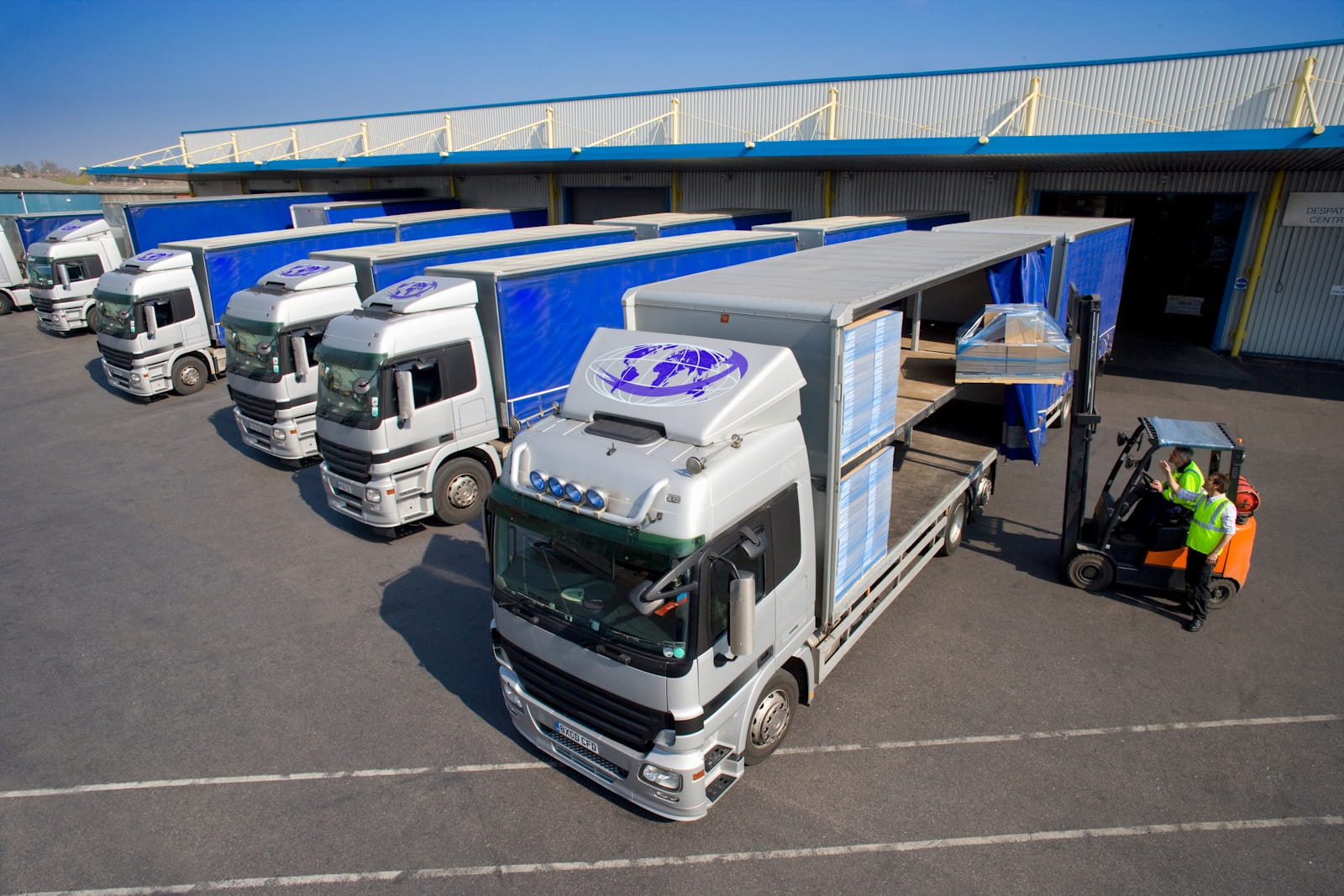
Businesses across many industries rely on tail lifts to move heavy goods safely and efficiently. From delivery vehicles to logistics fleets, these lifting systems make daily operations faster and reduce the risk of injuries during loading and unloading. However, equipment that handles heavy loads regularly requires careful upkeep. Many businesses work with lift companies in South Africa to install and service their equipment, but understanding the basics of maintenance is just as important for long term reliability and safety.
Tail lift maintenance is not only about preventing breakdowns. It also protects drivers, cargo, and vehicles while helping businesses stay compliant with safety standards. With the right habits in place, companies can extend the lifespan of their equipment and avoid costly downtime. By combining routine checks, proper servicing, and operator awareness, businesses can keep their lifting systems operating smoothly and safely.
Why Tail Lift Maintenance Matters for Businesses
Tail lifts perform demanding work every day. They lift heavy cargo, operate in different weather conditions, and face repeated stress during loading and unloading. Without proper maintenance, even small issues such as worn components or low hydraulic fluid can quickly develop into serious mechanical failures. This is why many fleet operators partner with lift companies in South Africa to ensure their equipment remains safe and reliable.
Regular maintenance helps businesses avoid unexpected interruptions to their operations. A malfunction during a delivery can delay schedules and create safety risks for workers handling goods. When businesses maintain their lifting equipment properly, they reduce the chances of accidents and keep their logistics processes running smoothly. In the long run, consistent maintenance also protects the investment made in the equipment.
- Ensuring operational reliability: Regular maintenance keeps tail lifts functioning smoothly, reducing the likelihood of breakdowns during deliveries or collections and allowing businesses to maintain dependable logistics schedules.
- Improving workplace safety: Well maintained lifting equipment protects drivers and warehouse staff by ensuring safety features and structural components remain in good working condition.
- Extending equipment lifespan: Proper servicing and preventative care help tail lifts last longer, allowing businesses to maximise the value of their investment in lifting equipment.
- Maintaining regulatory compliance: Routine inspections and servicing help businesses meet safety and operational standards that apply to lifting equipment used in commercial fleets.
- Supporting productivity: When tail lifts operate reliably, drivers can complete loading and unloading tasks more efficiently, reducing delays and improving workflow.
When maintenance becomes part of a business’s routine operations, it creates a more stable and predictable working environment. Equipment that is checked regularly is far less likely to fail unexpectedly, which means drivers can complete their routes without unnecessary interruptions. This reliability is especially important for businesses that depend on strict delivery schedules.
By prioritising maintenance and working closely with lift companies in South Africa, businesses can maintain consistent performance across their fleets. A structured maintenance approach protects both the equipment and the workforce, ensuring that tail lifts continue to support safe and efficient logistics operations.
Daily Inspections and Routine Checks
Daily inspections are one of the simplest and most effective ways to keep tail lifts in good condition. A quick visual check before starting the workday can reveal early signs of damage or wear. Operators should look for hydraulic leaks, damaged cables, rust on structural components, and any unusual movement in the platform. Even small problems can be identified early through consistent inspections, allowing repairs to be made before the issue becomes serious. Many businesses learn these best practices through guidance from lift companies in South Africa.
Routine checks should also include verifying that the platform operates smoothly and that safety features such as warning lights, alarms, and emergency stops function correctly. Cleanliness is another important factor. Dirt, debris, and moisture can build up on moving components over time, which may affect performance. Keeping the lift clean and checking its controls regularly helps ensure safe operation throughout the working day.
Hydraulic Systems and Lubrication
The hydraulic system is the core mechanism that powers most tail lifts. It allows the platform to lift and lower heavy loads smoothly and safely. Because of this, hydraulic components require careful monitoring. Fluid levels should be checked regularly to ensure the system operates correctly. If the fluid level drops too low or becomes contaminated, the lift may move slowly or behave unpredictably. Many operators receive guidance on hydraulic care when consulting lift companies in South Africa for maintenance support.
Lubrication is another essential maintenance task. Moving parts such as pivot points, hinges, pins, and rollers rely on lubrication to reduce friction and prevent premature wear. When these parts are not properly lubricated, friction can cause damage that eventually leads to mechanical failure. Using the correct lubrication products at regular intervals helps protect the lift’s components and keeps the equipment operating smoothly for longer periods.
Electrical Systems and Safety Features
Electrical systems play an important role in the safe operation of tail lifts. The control box, wiring, switches, and indicators all work together to ensure that the lift responds correctly to operator commands. Damaged wiring, loose connections, or moisture exposure can cause electrical faults that prevent the lift from functioning. Businesses often rely on lift companies in South Africa to inspect these components during scheduled maintenance checks.
Safety features must also be inspected regularly to ensure they operate correctly. These features include locking mechanisms, load sensors, emergency stop buttons, and safety rails. Each of these components is designed to protect both the operator and the cargo being lifted. When safety systems fail, the risk of accidents increases significantly. Regular testing and maintenance ensure that these protective features remain fully functional.
- Control boxes and switches: These components allow operators to raise and lower the platform safely and must be inspected regularly for responsiveness and damage.
- Wiring and electrical connections: Loose or damaged wiring can interrupt power supply and cause operational faults, making regular inspection essential.
- Warning lights and alarms: These indicators alert operators to potential hazards and help ensure that others nearby are aware when the lift is in operation.
- Emergency stop systems: Emergency controls allow operators to halt lift movement immediately in the event of a safety concern or mechanical fault.
- Load sensors and safety locks: These systems prevent the lift from operating beyond safe limits and help secure the platform during transport.
Maintaining electrical systems ensures that tail lifts respond accurately to operator commands. When electrical components function properly, drivers can control the lift smoothly and safely while loading or unloading cargo. Routine checks help identify potential faults before they disrupt operations.
Businesses that partner with lift companies in South Africa often benefit from professional inspections of electrical systems during scheduled servicing. This proactive approach ensures that both operational controls and safety features remain reliable, supporting safer working conditions for drivers and other staff.
Load Testing and Professional Servicing
Professional servicing is an important part of tail lift maintenance. While daily checks and basic upkeep can be handled internally, more thorough inspections should be carried out by trained technicians. Many businesses schedule comprehensive servicing every six to twelve months with the support of lift companies in South Africa. During these services, technicians inspect the lift’s structural components, hydraulic systems, electrical systems, and safety mechanisms.
Load testing is another critical procedure. This process involves testing the lift under its maximum weight capacity to confirm that it can safely handle heavy loads. Load testing helps identify hidden weaknesses that might not appear during normal operation. It also provides documentation showing that the lift meets safety requirements. Regular servicing and load testing ensure the equipment remains safe, reliable, and compliant with operational standards.
Preventing Damage and Reducing Repair Costs
One of the most effective ways to reduce repair costs is to act quickly when problems appear. Visible damage such as dents, rust, or misaligned platforms should never be ignored. These issues may seem minor at first but can affect the structural integrity of the lift if left unresolved. Businesses that work closely with lift companies in South Africa often develop preventative maintenance schedules to identify these issues early.
Preventative maintenance also includes replacing worn components before they fail. Chains, pins, seals, and hoses experience regular wear as the lift handles heavy loads. If these parts are replaced at the right time, businesses can prevent more serious mechanical damage. A proactive maintenance approach ensures that tail lifts remain safe while reducing the likelihood of expensive repairs or unexpected downtime.
- Addressing visible damage early: Dents, corrosion, or structural wear should be repaired quickly to prevent the problem from affecting the lift’s alignment or strength.
- Monitoring component wear: Parts such as seals, chains, hoses, and pins should be inspected regularly and replaced before they reach the point of failure.
- Maintaining hydraulic performance: Checking fluid levels and repairing leaks promptly prevents pressure loss and protects internal components.
- Keeping equipment clean and lubricated: Proper cleaning and lubrication reduce friction and prevent dirt from causing mechanical damage.
- Scheduling preventative servicing: Planned maintenance helps identify issues early and allows repairs to be completed before serious faults occur.
Taking a proactive approach to maintenance allows businesses to manage repair costs more effectively. When small problems are addressed quickly, they rarely develop into major mechanical failures that require extensive repairs or long periods of downtime.
Working with lift companies in South Africa also helps businesses develop preventative maintenance plans tailored to their fleet operations. These structured maintenance strategies ensure that tail lifts remain dependable tools that support safe and efficient loading operations.
Case Study: Learning the Basics of Tail Lift Maintenance
A transport business recently upgraded its delivery fleet with trucks fitted with tail lifts. While the new equipment made loading and unloading much easier for drivers, the management team soon realised they had limited knowledge about how to maintain the lifts properly. Their main concern was ensuring the safety of their drivers and avoiding the risk of mechanical failures during deliveries.
The company understood that they could rely on professionals for servicing, but they first wanted to gain a basic understanding of maintenance themselves. They began researching how tail lifts operate, what routine inspections are required, and how businesses typically maintain them. Through their research and guidance from lift companies in South Africa, they learned about daily inspections, hydraulic checks, lubrication routines, and the importance of safety systems.
Over time, the company developed a structured maintenance routine. Drivers performed daily inspections, while management scheduled regular servicing and load testing to ensure compliance with safety standards. By educating themselves and adopting proactive maintenance practices, the business gained confidence in the reliability of their equipment and ensured their drivers could operate the lifts safely.
Which Tail Lift Suppliers Offer Maintenance Contracts?
As part of our approach to supporting fleet operators, at Dhollandia SA we provide maintenance contracts that cover a wide range of tail lift types and configurations. Our product range includes cantilever lifts, slider lifts, fold-away lifts, column lifts, passenger lifts, and van lifts. Cantilever lifts offer a practical and cost effective solution for light-duty commercial vehicles and rental fleets, while slider lifts are designed to handle various cargo types and allow easy access to loading docks or forklift operations. We also supply fold-away lifts that are stored beneath the vehicle chassis for unobstructed cargo access, as well as column lifts designed for efficient lifting performance on commercial vehicles. For each of these lift types, our maintenance contracts ensure regular servicing and professional inspections so that businesses can keep their equipment operating safely and efficiently.
In addition to cargo lifts, we also support passenger lifts and specialised van lifts that require careful installation and measurement. Passenger lifts can be fitted inside rear or side doors of vehicles such as minibuses or emergency vehicles, while van lifts provide flexible lifting solutions for panel vans and larger commercial vehicles. These specialised systems require professional setup, which is why they are typically supplied as special orders. For every lift we supply or service, we offer a structured maintenance contract to ensure the equipment continues to perform reliably over time. Our goal is to provide ongoing maintenance support so that businesses can focus on their operations while knowing their lifting equipment is properly maintained.
Make Sure Your Tail Lift is Maintained Correctly
Proper maintenance plays a vital role in ensuring that tail lifts remain safe, reliable, and efficient for everyday operations. Businesses that work closely with lift companies in South Africa benefit from professional servicing and technical expertise, but internal maintenance habits are just as important. Regular inspections, lubrication, hydraulic monitoring, and electrical checks all contribute to extending the lifespan of the equipment.
When businesses commit to consistent upkeep and scheduled servicing, they create safer working environments for their drivers and maintain smooth logistics operations. With support from lift companies in South Africa and a clear maintenance routine in place, tail lifts can remain dependable tools that support business productivity for many years. To ensure your tail lifts stay in peak condition, contact Dhollandia SA today to arrange a maintenance contract or schedule a professional service, and benefit from their expertise in keeping all types of lifts reliable, safe, and efficient for your fleet operations.