What Are Truck Tail Lifts? A Guide
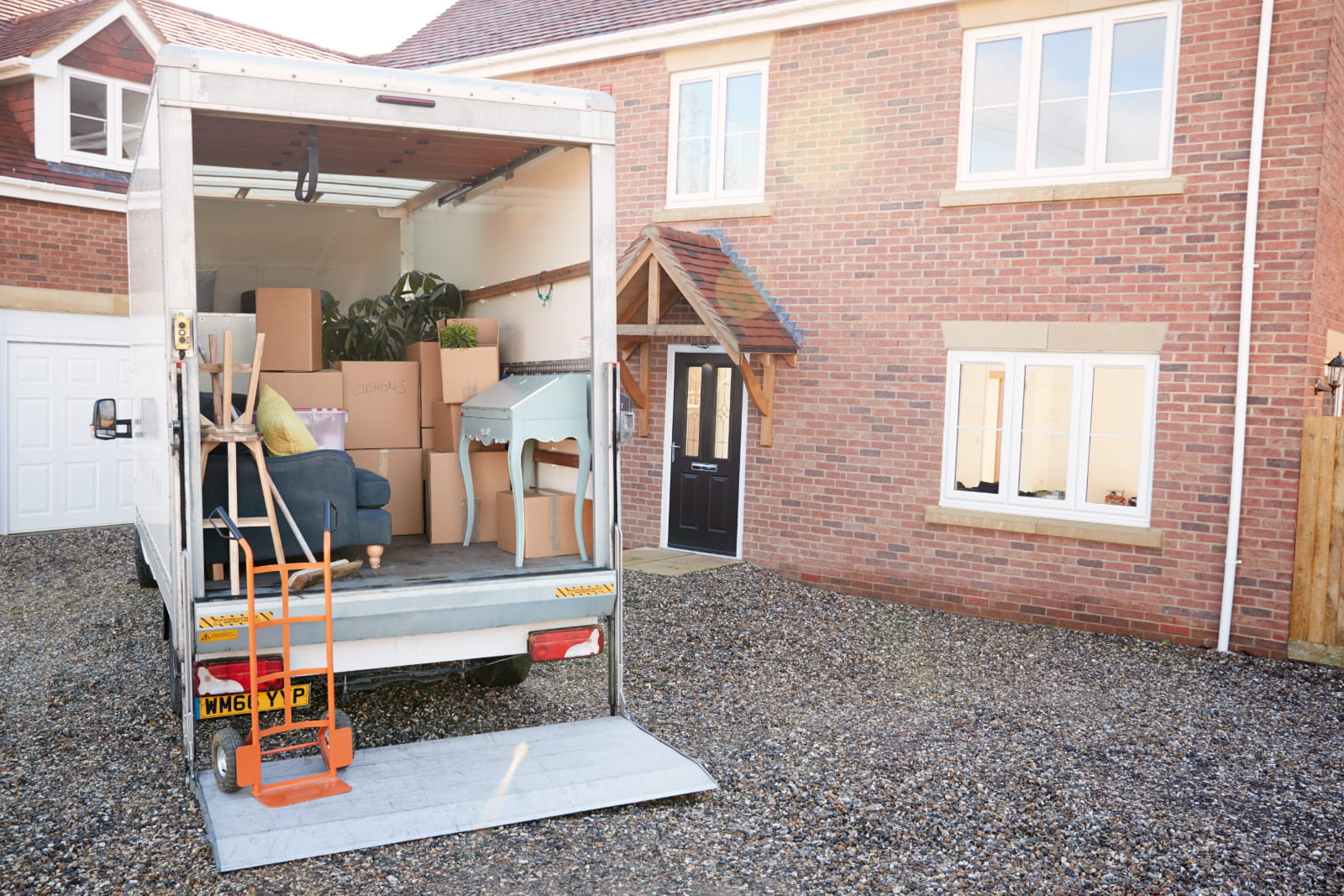
What are truck tail lifts? They are mechanical platforms fitted to the rear of commercial vehicles to make loading and unloading heavy goods safer and easier. These devices bridge the gap between the ground and the vehicle bed, allowing operators to move pallets, machinery, and bulky items without manual lifting or the need for a forklift. In the fast-paced world of logistics, they have become an essential tool for businesses that value efficiency and worker safety.
This guide explores how these systems work, the different types available, and why they are a smart investment for your fleet. We will look at the specific benefits they bring to industries ranging from retail to construction. By understanding the mechanics and options, you can make an informed decision that improves your daily operations and protects your staff from unnecessary strain.
Understanding the Basics of Truck Tail Lifts
A truck tail lift is a hydraulic or electric device permanently installed on the back of a van, lorry, or truck. Its primary function is to raise and lower loads between ground level and the height of the cargo area. This simple mechanism eliminates the physical effort required to lift heavy items by hand, which significantly reduces the risk of workplace injuries. Most modern units are controlled via a simple panel with buttons for raising, lowering, and tilting the platform.
To help you grasp the core components, here are the essential elements of a standard system:
- Platform: The load-bearing surface, usually made of steel or aluminium, which may feature anti-slip textures.
- Hydraulic System: Includes pumps, cylinders, and valves that generate the force needed to lift heavy weights smoothly.
- Control Panel: The interface for the operator, often featuring emergency stop buttons and safety indicators.
- Mounting Frame: The structural component that attaches the lift securely to the vehicle chassis.
These lifts are versatile enough to handle a wide range of weights, from a few hundred kilograms on small vans to several tonnes on large articulated lorries. They are particularly useful in locations where loading docks are not available, such as residential deliveries, construction sites, or small retail stores. By providing a stable bridge between the road and the truck, they allow a single operator to manage tasks that would otherwise require multiple people or additional machinery.
How Truck Tail Lifts Operate
The operation of a truck tail lift begins with the driver activating the control panel, which is often located on the side of the vehicle or on a handheld remote. Before any movement occurs, the vehicle must be stationary with the brakes engaged to ensure stability. The operator then lowers the platform to the ground, where it may tilt slightly to form a ramp or sit flat, depending on the design. This allows goods to be rolled or placed onto the platform using a pallet truck or trolley.
The mechanical process follows a specific sequence to ensure safety and efficiency:
- Activation: The operator selects the desired function, such as lowering or raising, via the control switch.
- Power Generation: An electric motor drives a hydraulic pump, pushing fluid into the cylinders to create pressure.
- Movement: The cylinders extend or retract, moving the platform vertically while maintaining a level position.
- Stowing: Once unloaded, the platform is folded or slid underneath the chassis to clear the rear access.
After the platform reaches the correct height, it may tilt again to align perfectly with the vehicle floor, allowing the load to be pushed inside easily. When the task is complete, the platform is lowered back to its stowed position. Depending on the type of lift, it might fold up against the rear doors or slide underneath the chassis. This storage method keeps the rear of the vehicle clear for access or for reversing into standard loading bays without obstruction.
Common Types of Truck Tail Lifts
Choosing the right type of truck tail lifts depends on your vehicle size, cargo weight, and operational needs. Cantilever lifts are among the most popular choices for general freight. They feature a platform that extends out from the rear and folds up to form part of the vehicle’s back closure. This design offers a large, stable surface area and can often act as a ramp for wheeled cages or pallet jacks, making them ideal for food distribution and retail deliveries.
Here is a breakdown of the most common designs available on the market:
- Cantilever Lifts: Best for general freight, offering high capacity and a ramp function for easy rolling of goods.
- Column Lifts: Ideal for heavy loads and sensitive cargo, providing vertical movement that keeps the platform perfectly level.
- Tuckaway Lifts: Store underneath the chassis, keeping rear doors clear for dock access and maximising versatility.
- Slider Lifts: Slide out horizontally before unfolding, suitable for heavy-duty applications on larger trailers and trucks.
Column lifts, also known as vertical lifts, move straight up and down along tracks mounted to the vehicle body. They are known for their robustness and ability to handle very heavy loads, often exceeding 2000 kg. Because the platform remains level throughout the entire lifting cycle, they are excellent for transporting sensitive or top-heavy items like appliances and furniture. However, they require more installation space and are best suited for larger trucks rather than small vans.
Key Benefits for Your Business
Investing in truck tail lifts brings significant improvements to worker safety. Manual handling of heavy goods is a leading cause of back injuries and musculoskeletal disorders in the transport industry. By automating the lifting process, these devices remove the physical strain from employees, reducing the likelihood of accidents and long-term health issues. This not only protects your workforce but also helps lower insurance premiums and compensation claims related to workplace injuries.
The advantages extend beyond safety to include measurable operational improvements:
- Increased Productivity: Faster loading times allow drivers to complete more deliveries per shift.
- Reduced Labour Costs: Single operators can handle heavy loads without needing extra staff assistance.
- Versatility: Enables deliveries to locations without loading docks, expanding your service area.
- Cargo Protection: Smooth, controlled lifting minimises the risk of damage to fragile or high-value items.
Efficiency and productivity see a notable boost when using tail lifts. Loading and unloading times are drastically reduced because a single operator can manage heavy loads quickly and safely. There is no need to wait for forklifts or coordinate team lifts, which streamlines the delivery process. This speed allows drivers to complete more drops in a day, optimising route planning and increasing overall fleet throughput without adding extra staff costs.
Maintenance and Safety Best Practices
Proper maintenance is crucial to keep your truck tail lifts functioning safely and efficiently. Regular inspections should focus on the hydraulic system, checking hoses, seals, and fluid levels for any signs of wear or leaks. Electrical connections and battery terminals also need to be clean and tight to ensure a consistent power supply. Lubricating moving parts such as hinges, pins, and pistons on a weekly basis reduces friction and prevents premature wear, extending the lifespan of the equipment.
To maintain compliance and safety, adhere to these essential practices:
- Regular Inspections: Check hydraulic hoses, seals, and electrical wiring for damage or wear at least weekly.
- Lubrication: Grease all pivot points, hinges, and cylinders regularly to reduce friction and prevent corrosion.
- Weight Limits: Never exceed the manufacturer’s stated capacity, and ensure loads are evenly distributed.
- Operator Training: Ensure all staff are trained in safe usage, including emergency stop procedures and load securing.
Legal compliance is another important aspect of ownership. In many regions, including South Africa, commercial tail lifts require mandatory inspections every six months. Keeping detailed maintenance records helps you stay compliant with these regulations and provides a history of care for resale value. Promptly addressing minor issues, such as unusual noises or jerky movements, prevents them from becoming major breakdowns that could leave your vehicle off the road and disrupt your business operations.
Who Sells Tail Lifts Compatible With Refrigerated Trucks?
We understand that specialised vehicles require specialised solutions, which is why we offer custom tail lift installations for refrigerated trucks. At Dhollandia SA, we have extensive experience fitting lifts to insulated bodies without compromising the thermal integrity of the unit. Our team uses bolt-on mounting plates and specific adaptation techniques to ensure a secure fit that does not damage the refrigeration panels. This expertise allows us to serve clients in the food and pharmaceutical sectors who need reliable cold chain logistics. According to industry data, the cold chain logistics market in Africa is expected to grow significantly, driven by the need for safe food and medicine transport, making reliable equipment more critical than ever.
Our product range includes cantilever, column, and slider lifts that are specifically adapted for these challenging environments. We ensure that all hydraulic and electrical components are protected against corrosion and extreme temperatures, using stainless steel piston rods and superior protective finishes. Whether you need a lightweight aluminium platform for efficiency or a heavy-duty steel option for durability, we can tailor the specification to match your exact operational requirements and vehicle dimensions. Our lifts are designed to withstand the harsh conditions often faced in South African logistics, ensuring longevity and consistent performance.
As the authorised dealer for Dhollandia in South Africa, we combine global innovation with local service excellence. We have branches in Johannesburg, Cape Town, Durban, and Port Elizabeth, ensuring that support is never far away. Our 24-hour national breakdown service means that if you encounter an issue, help is just a phone call away. We are committed to minimising your downtime and keeping your fleet moving, regardless of the complexity of your vehicle setup. With over 20 years of combined team experience, we provide the technical knowledge needed to solve even the most complex fitment challenges.
More Than A Convenience
Truck tail lifts are more than just a convenience; they are a strategic asset for any business involved in transport and logistics. By improving safety, boosting efficiency, and offering unmatched versatility, they enable companies to operate more effectively in diverse environments. Understanding the different types and maintenance needs allows you to choose the right solution for your fleet, ensuring long-term reliability and cost savings.
If you are ready to upgrade your vehicles or need expert advice on the best lift for your specific needs, we are here to help. Get in touch with us at Dhollandia SA today to discuss our range of products and services. Our team is dedicated to providing tailored solutions that keep your business running smoothly and safely.