How Tail Lifts Are Transforming Material Handling in Construction
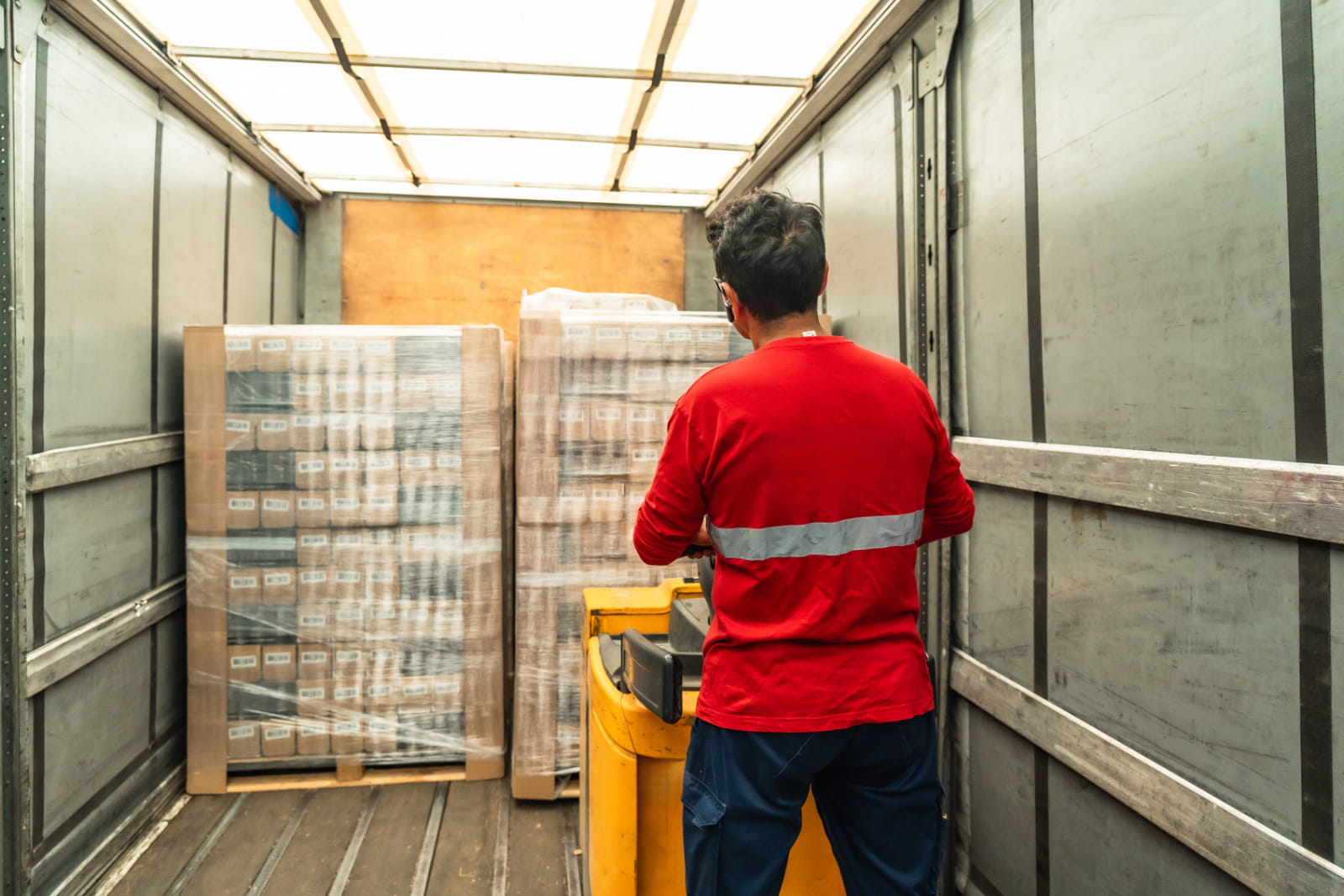
Tail lifts are transforming how construction businesses move and handle heavy materials every day. From bricks and steel to machinery and equipment, tail lifts make loading and unloading faster, safer, and far less physically demanding. Instead of relying on manual labour or additional equipment like forklifts, operators can use a simple platform to lift goods smoothly between ground level and the vehicle bed.
In construction, where delays and injuries can be costly, tail lifts offer a practical solution that improves both safety and efficiency. They allow teams to work more independently, reduce downtime, and handle deliveries in locations without loading docks. As construction projects become more demanding, tail lifts are quickly becoming an essential tool for modern fleets.
What Are Tail Lifts and How Do They Work in Construction?
Tail lifts are mechanical platforms fitted to the rear of trucks and vans, designed to raise and lower goods between ground level and the cargo area. Most systems are powered by hydraulic or electric mechanisms, using pressurised fluid and cylinders to lift heavy loads with minimal effort. Operators control the movement using a panel or remote, making the process simple and precise.
In construction environments, this functionality is especially valuable. Many sites lack proper infrastructure, such as loading docks or ramps, which makes traditional loading methods inefficient and risky. Tail lifts provide a stable and controlled way to move materials regardless of terrain or site conditions, helping teams maintain consistent workflows even in challenging environments.
Real-world data shows that mechanical lifting solutions can reduce loading and unloading times by up to 30% per delivery. This improvement directly impacts productivity, allowing drivers to complete more trips per day and reducing delays across the supply chain. With fewer manual handling tasks required, workers also experience less fatigue, which contributes to better overall performance and safety.
Why Tail Lifts Are Essential for Construction Vehicles
Tail lifts play a critical role in supporting construction vehicles that transport heavy and bulky materials daily. Without them, workers often rely on manual lifting or additional machinery, which can slow down operations and increase the risk of injury. In an industry where efficiency and safety are closely linked, having the right equipment is essential.
- Reduce the need for manual lifting of heavy materials
- Allow single operators to handle large loads
- Improve delivery speed on busy construction schedules
- Enable work in locations without loading docks
- Support safer handling of awkward or uneven loads
By reducing physical strain, tail lifts help lower the risk of workplace injuries, which are a major concern in construction. Studies consistently show that manual handling is one of the leading causes of musculoskeletal injuries. Introducing lifting systems can significantly reduce these risks, improving worker wellbeing and reducing lost workdays.
At the same time, tail lifts improve operational efficiency. Faster loading and unloading mean fewer delays, better time management, and increased productivity. For construction businesses working on tight deadlines, this can make a meaningful difference in keeping projects on track and within budget.
Types of Tail Lifts Used in Construction
Different construction tasks require different types of tail lifts, each designed to handle specific loads and working conditions. Choosing the right type ensures that materials can be moved safely and efficiently, regardless of the vehicle or site requirements.
- Cantilever lifts for flexible loading and uneven surfaces
- Column lifts for stable vertical lifting of heavy loads
- Slider lifts for quick access and frequent operations
- Fold-away lifts for compact storage and full cargo access
Cantilever lifts are widely used because they offer versatility and can handle loads of up to around 3,000 kg. Their ability to tilt slightly makes them ideal for uneven construction sites. Column lifts, on the other hand, provide consistent vertical movement and are better suited for transporting sensitive or top-heavy materials.
Slider and fold-away lifts are designed for convenience and high-frequency use. Slider lifts can handle loads up to about 2,000 kg and are ideal for operations requiring quick deployment. Fold-away lifts, stored under the chassis, are particularly useful for vehicles that need constant access to the cargo area. Each type supports different operational needs, giving construction fleets the flexibility to choose the right solution.
Key Benefits of Tail Lifts on Construction Sites
Tail lifts bring a wide range of benefits to construction sites, improving both daily operations and long-term business performance. By simplifying material handling, they help teams work more efficiently while reducing risks and costs.
- Faster loading and unloading of materials
- Reduced physical strain on workers
- Lower risk of injuries and accidents
- Improved protection of valuable materials
- Increased productivity and delivery capacity
- Ability to handle diverse cargo types
One of the most significant advantages is time savings. Faster handling of materials allows construction teams to complete more deliveries per day, improving overall workflow. In high-demand environments, this efficiency can directly impact project timelines and profitability.
Another key benefit is versatility. Tail lifts can handle a wide range of materials, from small tools to heavy machinery, making them suitable for different construction tasks. Their ability to operate in tight or uneven spaces adds further value, allowing businesses to work effectively in both urban and remote locations.
Safety and Maintenance of Tail Lifts in Construction
Safety and maintenance are essential to ensure tail lifts perform reliably in demanding construction environments. Proper use and regular servicing not only protect workers but also extend the lifespan of the equipment.
- Follow weight limits and load distribution guidelines
- Train operators on safe usage and controls
- Inspect hydraulic systems and components regularly
- Lubricate moving parts to reduce wear
- Keep maintenance records and schedule routine checks
- Use safety features such as emergency stops and rails
Regular inspections help identify issues such as hydraulic leaks, worn cables, or electrical faults before they become serious problems. Preventive maintenance reduces downtime and ensures that lifts remain safe and efficient, even under heavy use.
Training is equally important. Operators who understand how to use the equipment correctly are less likely to cause accidents or damage. By combining proper training with consistent maintenance, construction businesses can ensure that their lifting systems remain a reliable and safe part of daily operations.
Where Can I Get a Tail Lift Designed for Construction Vehicles?
When it comes to choosing tail lifts for construction vehicles, working with an experienced supplier makes a big difference. Dhollandia SA is the authorised dealer of a leading European tail lift manufacturer, bringing over 50 years of global expertise to the South African market. Since 2018, they have continued to build on a strong legacy of providing reliable and durable lifting solutions.
Their product range includes cantilever, slider, fold-away, and column lifts, with capacities ranging from 150 kg to 16,000 kg. This wide range ensures that construction businesses can find a solution suited to their specific needs, whether for light-duty vehicles or heavy industrial transport. Each lift is designed with durability in mind, using corrosion-resistant materials and low-maintenance components.
Beyond products, Dhollandia SA offers a full-service package including installation, maintenance, repairs, and a 24-hour national breakdown service. With support available in major cities across South Africa, they provide reliable assistance to keep fleets running smoothly. Their focus on quality, safety, and customer support makes them a trusted partner for construction operations.
A Vital Role In Efficiency
Tail lifts have become a vital part of modern construction vehicles, helping businesses improve safety, efficiency, and productivity. By reducing manual handling, speeding up operations, and protecting both workers and materials, tail lifts offer a practical solution to many of the challenges faced on construction sites today.
As construction demands continue to grow, investing in reliable tail lifts is a smart move for any fleet. If you are looking to improve your operations, we are here to help. Get in touch with Dhollandia SA today and let us help you find the right tail lift solution for your construction vehicles.