
Choosing the Right Truck Lifts: A Practical Guide
Truck lifts play a vital role in modern logistics, helping businesses move heavy goods safely and efficiently. Whether you manage a small delivery fleet or a large transport operation, choosing the right system can have a direct impact on productivity, safety, and costs. With so many options available, it is important to understand what works best for your specific needs.
In this guide, we break down the key factors fleet managers should consider when selecting truck lifts. From understanding different types to evaluating operational requirements, you will find practical advice to help you make a confident and informed decision.
What Are Truck Lifts and Why Do They Matter?
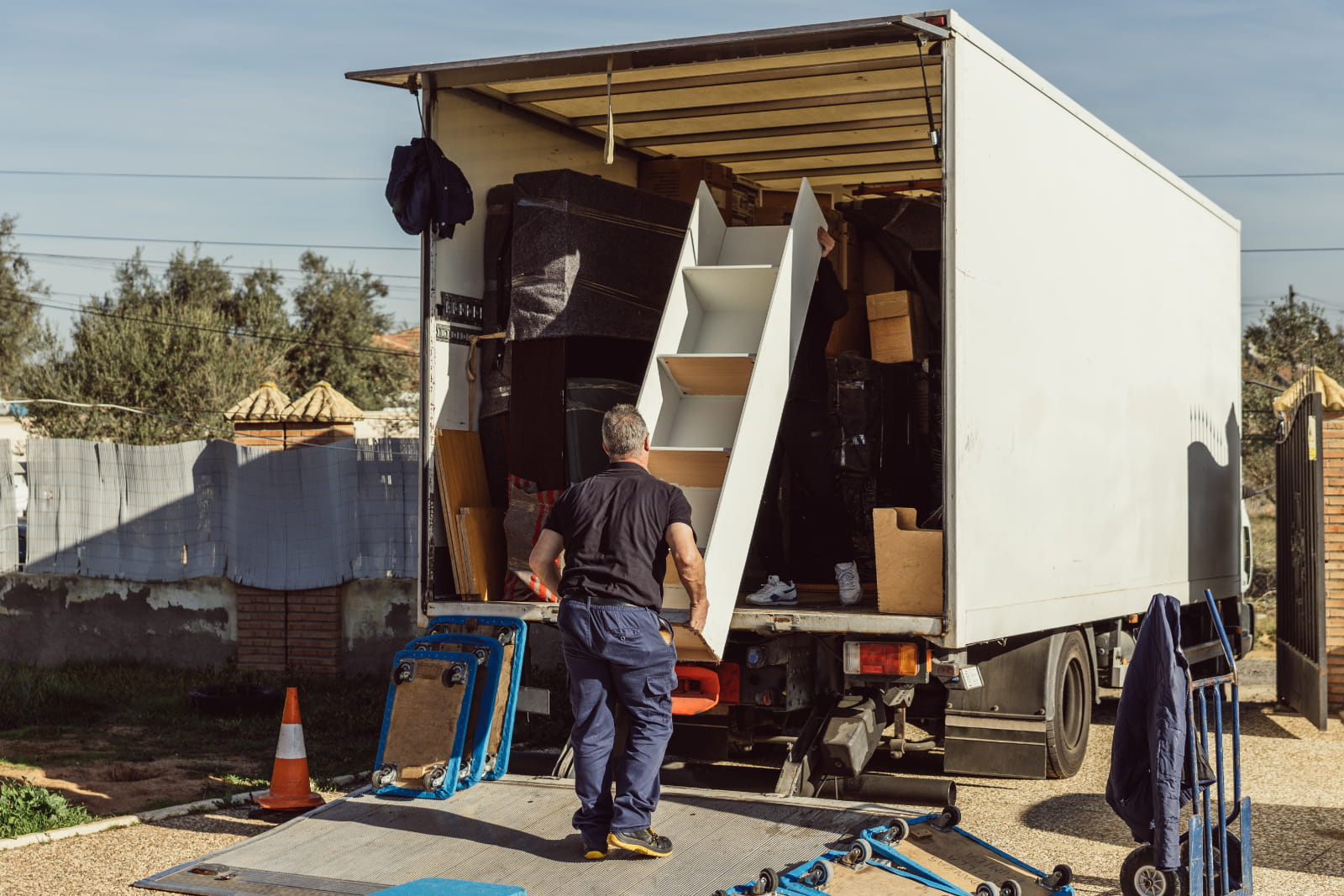
Truck lifts are mechanical platforms fitted to the rear of commercial vehicles. They are typically powered by hydraulic or electric systems and are designed to move goods between ground level and the vehicle bed. This removes the need for manual lifting or additional equipment like forklifts, making everyday operations far more efficient.
One of the biggest advantages of truck lifts is their ability to reduce physical strain on workers. Manual handling is a leading cause of workplace injuries in logistics, especially when dealing with heavy or bulky items. By using a lift platform, operators can move goods safely with minimal effort, which improves both safety and morale.
Beyond safety, truck lifts also improve operational flexibility. They allow vehicles to load and unload in locations where there are no loading docks or handling equipment. This means your fleet can serve a wider range of delivery points, from urban streets to remote sites, without relying on external infrastructure.
Types of Truck Lifts Explained
Cantilever Truck Lifts
Cantilever truck lifts are one of the most common types used in logistics. They extend from the rear of the vehicle and can tilt, which allows them to act as a ramp when needed. This makes them ideal for moving wheeled loads such as pallets and cages.
These lifts are known for their high lifting capacity and stability. They are often used in general freight operations where reliability and strength are key. Their design also allows for quicker deployment, which can help speed up delivery schedules.
However, they may not always be suitable for loading directly from docks, as the platform can get in the way. Fleet managers should consider whether dock access is a regular part of their operations before choosing this option.
Folding and Slider Truck Lifts
Folding truck lifts, including tuck-away and slider designs, are stored underneath the vehicle when not in use. This keeps the rear of the truck clear, making it a good choice for operations that frequently use loading docks.
These lifts are lighter than cantilever systems, which can improve fuel efficiency and increase payload capacity. They also offer versatility, as they can be deployed when needed without interfering with normal vehicle access.
On the downside, they often require manual unfolding and can take longer to set up. They also tend to have lower lifting capacities compared to cantilever lifts, so they may not suit heavy-duty applications.
Column Truck Lifts
Column truck lifts move vertically along tracks mounted to the vehicle. They are commonly used for lighter-duty applications or where precise, stable lifting is required.
Their lightweight design makes them more cost-effective and easier to install on smaller vehicles. They also operate quickly, which can be useful for high-frequency delivery routes.
However, column lifts usually have lower capacity limits and less flexibility. They cannot tilt or form a ramp, which may limit their use in certain loading environments.
Key Factors to Consider When Choosing Truck Lifts
The type of vehicle in your fleet plays a major role in determining the right lift. Larger trucks may require heavy-duty systems, while vans and smaller vehicles benefit from lighter, more compact options.
You also need to consider how the vehicle is used daily. For example, urban delivery routes may require flexibility and ease of use, while long-haul transport may prioritise durability and load capacity.
Matching the lift to the vehicle ensures better performance and avoids unnecessary strain on the equipment. This helps extend the lifespan of both the lift and the vehicle itself.
Load Capacity and Weight Requirements
Understanding your typical load is essential when choosing truck lifts. Different systems are designed to handle different weight ranges, from a few hundred kilograms to several tonnes.
It is important to choose a lift that comfortably meets your requirements without exceeding its limits. Overloading can lead to equipment failure, safety risks, and costly repairs.
At the same time, selecting a lift that is too powerful can increase costs and reduce efficiency. Finding the right balance ensures safe and cost-effective operations.
Operational Environment
Where and how your fleet operates should influence your decision. If your vehicles often load at docks, a folding or slider lift may be more suitable. If they operate in areas without infrastructure, a cantilever lift might be the better option.
Consider factors such as terrain, space constraints, and weather conditions. Some lifts perform better on uneven ground or in tight spaces, which can make a big difference in day-to-day use.
Taking the operational environment into account ensures your truck lifts can handle real-world challenges without causing delays or disruptions.
Safety, Compliance, and Maintenance of Truck Lifts
Safety should always be a top priority when using truck lifts. These systems carry risks such as crush injuries, falls, and mechanical hazards if not used correctly.
Proper training for operators is essential. Drivers should understand how to use the controls, secure loads, and follow safe working practices at all times.
Features like non-slip platforms and emergency stop controls also help improve safety. Investing in well-designed equipment reduces the likelihood of accidents and protects your workforce.
Staying Compliant with Regulations
Truck lifts must meet specific safety and equipment regulations. Regular inspections are required to ensure they remain compliant and safe to use.
Maintaining compliance helps avoid penalties and keeps your operations running smoothly. It also shows a commitment to high safety standards, which can improve your reputation.
Keeping accurate maintenance records is an important part of this process. It provides proof of compliance and helps track the condition of your equipment over time.
Maintenance Best Practices
Regular maintenance is key to keeping truck lifts in good working condition. This includes checking hydraulic systems, inspecting electrical components, and lubricating moving parts.
Addressing small issues early can prevent larger problems later. For example, fixing a worn seal during routine servicing is far less costly than dealing with a major system failure.
A proactive maintenance approach reduces downtime and extends the lifespan of your equipment. It also ensures your fleet remains reliable and efficient.
Where Can I Find Tail Lift Services For Fleet Vehicles?
We specialise in providing reliable truck lifts and tail lift solutions for a wide range of commercial vehicles. As the authorised dealer of a leading global manufacturer, we combine international quality with strong local expertise across South Africa.
Our team has years of experience in supplying, installing, and maintaining truck lifts for different industries. We understand the challenges fleet managers face and work closely with our clients to deliver practical, tailored solutions.
With branches in major locations and a strong support network, we ensure that help is always within reach. Our focus is on keeping your fleet running smoothly and efficiently.
Our Product Range and Services
We offer a comprehensive range of truck lifts, including cantilever, slider, column, and fold-away systems. Each option is designed to meet specific operational needs, from light-duty deliveries to heavy industrial transport.
In addition to installation, we provide full maintenance and repair services, including support for other brands. Our 24-hour breakdown service ensures that any issues are resolved quickly, minimising downtime.
We also supply additional vehicle equipment and accessories, giving you a complete solution for your fleet. Our goal is to provide everything you need to keep your operations running at their best.
Our Commitment to Quality and Support
We are committed to delivering safe, reliable, and cost-effective solutions. Our products are designed for durability and performance, with features that reduce maintenance and extend lifespan.
Customer service is at the heart of what we do. We pride ourselves on quick response times, personalised support, and building long-term relationships with our clients.
By choosing us, you gain a trusted partner dedicated to helping your business succeed. We focus on delivering value, reliability, and peace of mind with every service.
A Critical Investment
Truck lifts are a critical investment for any fleet, improving safety, efficiency, and overall performance. By understanding the different types, operational needs, and maintenance requirements, fleet managers can choose the right solution with confidence.
The right truck lifts can reduce costs, protect your workforce, and help your business grow. Taking the time to evaluate your options ensures long-term success and a stronger, more reliable fleet.
If you are looking for expert advice or reliable solutions, we are here to help. Get in touch with us today to find the right truck lifts for your fleet and keep your operations running smoothly.