Heavy-Duty Made Easy: How Tail Lifts Keep Things Moving
Tail lifts are one of the most practical ways to make heavy-duty loading safer, quicker and more manageable. For businesses moving pallets, furniture, machinery, food stock, appliances or bulky equipment, they reduce the need for manual lifting and help operators move goods between ground level and vehicle bed height with far less strain.
In busy transport and logistics environments, small delays quickly add up. A well-chosen, professionally installed and properly maintained tail lift can improve turnaround times, reduce injury risks and keep vehicles moving across loading docks, delivery sites, warehouses and customer premises.
What Are Tail Lifts and Why Do They Matter?
Tail lifts are mechanical platforms fitted to the rear of commercial vehicles to help lift goods between the ground, loading dock and vehicle bed. Most are powered by hydraulic or electric systems and are controlled through buttons, levers, hand controls, foot switches or remote-control options. They are used on everything from vans and light-duty vehicles to heavy commercial trucks.
They matter because many delivery points do not have forklifts, ramps or loading bays. In these situations, a tail lift gives operators a controlled way to load and unload heavy items safely. This is especially important in industries such as logistics, FMCG, retail distribution, healthcare, construction, emergency services and furniture transport, where loads are often heavy, awkward or time-sensitive.
Tail lifts also support better productivity. Some product ranges cover capacities from as little as 150 kg up to 16,000 kg, while many common commercial models handle anything from 500 kg to 3,000 kg. That range makes them suitable for light delivery vans, medium-duty fleets and heavy-duty operations where repeated lifting is part of everyday work.
How Tail Lifts Work in Heavy-Duty Operations
Most tail lifts work through a hydraulic system. Hydraulic fluid is pressurised to move cylinders that raise, lower or tilt the platform. Electric systems are also available, especially in more modern models focused on reduced maintenance, consistent performance and lower operating noise.
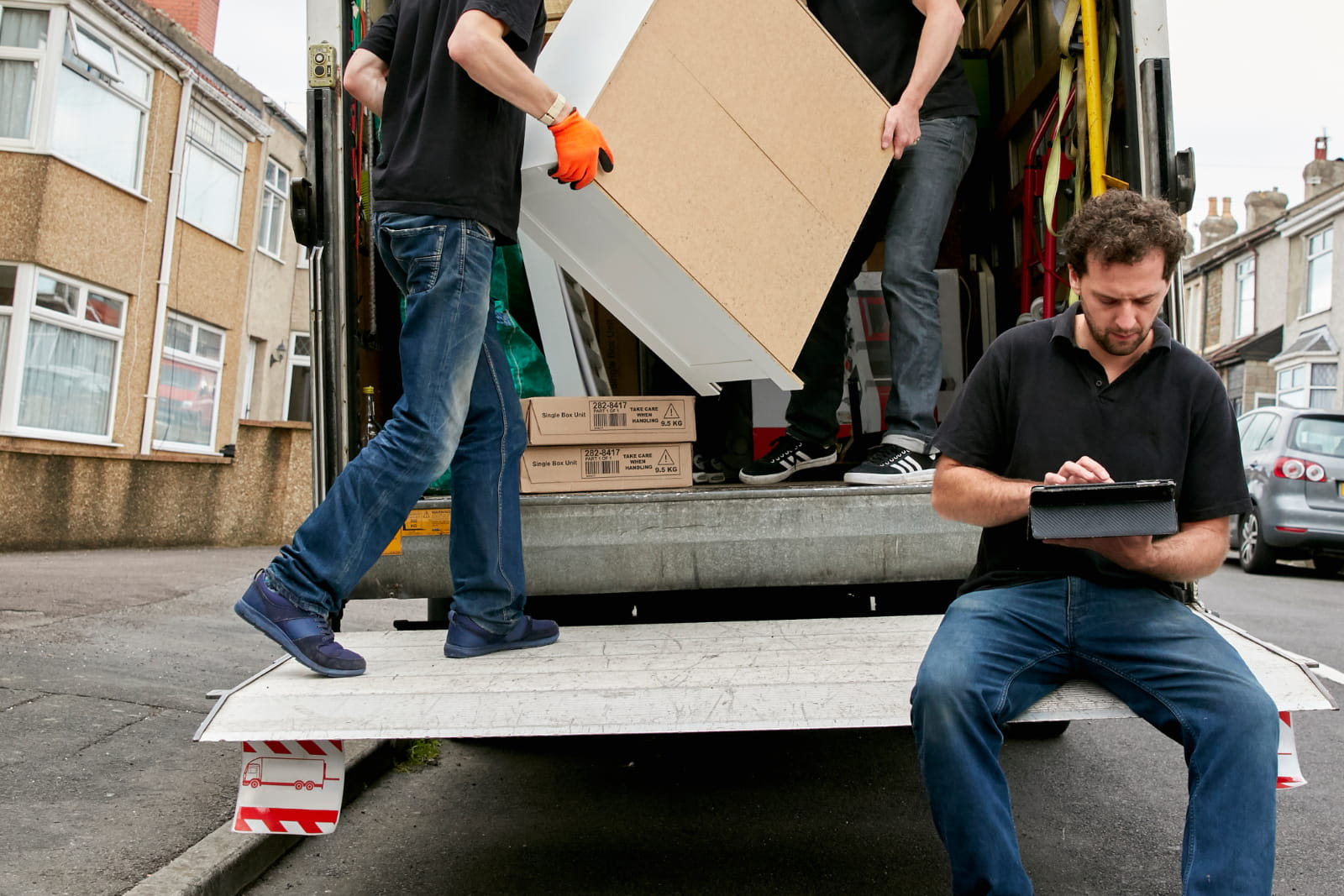
In a typical loading sequence, the operator parks the vehicle safely, engages the brakes, lowers the platform, places the cargo on it, checks the load is within capacity and uses the controls to lift the platform to vehicle-bed height. The goods can then be moved into the cargo area using a pallet truck, trolley or manual guidance where safe.
For heavy-duty operations, this controlled process is vital. A standard model may lift up to around 2,500 kg, while some heavy-duty versions exceed this. Without a tail lift, these loads would often need a forklift, loading dock or several workers, increasing the risk of delays, injuries and cargo damage.
Choosing the Right Tail Lifts for the Job
Choosing the right tail lifts starts with understanding the work the vehicle actually does each day. Load weight is important, but it is not the only factor. Platform size, delivery frequency, vehicle type, ground clearance, loading-dock access and the type of cargo all affect which lift will perform best.
A business delivering palletised goods to retail sites may need a different lift from a fleet moving machinery, gas bottles, catering supplies or medical equipment. The right lift should support the load safely, fit the vehicle properly and make the operator’s daily work easier rather than more complicated.
Key options to consider include:
- Cantilever lifts: Good for heavier or awkward loads, with tilt capability that helps on uneven ground.
- Column lifts: Useful where vertical lifting strength is needed, especially on vehicles with limited ground clearance.
- Slider lifts: Ideal where ground clearance and fast rear access are priorities.
- Tuck-under or fold-away lifts: Useful when the rear of the vehicle must stay accessible while the lift is not in use.
- Passenger or specialist lifts: Suitable for vehicles with specific access needs, such as passenger transport or emergency applications.
- Van lifts: Designed for lighter commercial vehicles, panel vans or side-door and rear-door fitments.
- High-capacity heavy-duty lifts: Best for demanding daily use, heavy cargo and intensive logistics operations.
The most practical choice is the one that matches the real operating environment. A lift that is too small, too slow or poorly suited to the vehicle can create bottlenecks, even if it technically meets the load rating. That is why a proper vehicle and application assessment should come before installation.
It is also worth thinking long term. A cheaper lift may look attractive upfront, but if it causes downtime, wears quickly or limits delivery flexibility, it may cost more over its lifespan. For heavy-duty work, durability, corrosion protection, service support and ease of maintenance should carry as much weight as capacity.
Why Proper Tail Lift Installation Is So Important
Installation has a direct impact on tail lift safety, performance and lifespan. A lift that is not mounted correctly can place extra stress on the vehicle chassis, hydraulic cylinders, pivot points, lift arms and platform structure. Over time, this can lead to uneven lifting, leaks, worn components and costly repairs.
Industry-focused installation guidance often links poor installation with higher accident and maintenance risk. One article summarised earlier stated that improperly installed tail lifts may account for nearly 30% of on-site operational accidents in commercial transport. It also reported that businesses investing in professional installation can see up to a 25% reduction in maintenance costs and downtime.
Proper installation should include secure chassis mounting, correct alignment, safe cable routing, hydraulic setup, load testing and full testing of controls and emergency stops. It should also include operator handover and documentation. For heavy-duty fleets, this matters because the lift is not a once-in-a-while accessory. It is a working system that may be used many times every day.
Tail Lift Safety: Practical Steps for Everyday Use
Tail lift safety depends on three things working together: the equipment, the operator and the process. Even a high-quality lift can become unsafe if loads are poorly positioned, controls are misused or maintenance issues are ignored.
Operators should treat every lift cycle as a controlled task. That means checking the load, watching the platform, keeping the area clear and never rushing the movement of heavy goods. The goal is not just to lift the load, but to do it in a way that protects people, cargo and the vehicle.
Practical safety steps include:
- Check the rated capacity before lifting.
- Never overload the platform.
- Distribute weight evenly across the platform.
- Place heavier goods closer to the vehicle where suitable.
- Secure cargo with straps, bars or restraints when needed.
- Keep feet, hands and loose clothing clear of moving parts.
- Do not stand under or near the platform while it is moving.
- Engage the vehicle brakes before operating the lift.
- Check that emergency stops and control switches work.
- Make sure operators are trained before using the lift.
- Keep the working area clear of pedestrians and obstacles.
- Use suitable handling equipment such as pallet trucks where needed.
These steps may sound simple, but they prevent many common incidents. Overloading, poor balance and rushing are major causes of tail lift problems. Safe use starts with slowing the process down enough to check that everything is stable and within limits.
Training is also essential. Operators should know how the control panel works, how to respond to a fault, what warning signs to look for and when not to use the lift. A short daily inspection, combined with proper training, can make heavy-duty lifting far safer and more predictable.
Maintaining Tail Lifts for Heavy-Duty Reliability
Tail lifts used in heavy-duty environments need regular maintenance because they deal with repeated load cycles, vibration, weather exposure and dirt. Skipping inspections may save a few minutes today, but it can lead to breakdowns, unsafe operation and expensive vehicle downtime later.
Preventive maintenance should be treated as part of fleet management, not an afterthought. One maintenance-focused source summarised earlier stated that regular preventive maintenance can extend tail lift lifespan by up to 50% and reduce repair costs by around 30%. For fleets that rely on daily deliveries, those figures show why routine care matters.
Important maintenance actions include:
- Inspect the platform for cracks, bends or surface damage.
- Check hinges, pins, joints and rollers for wear.
- Lubricate moving parts according to manufacturer guidance.
- Check hydraulic hoses, cylinders and seals for leaks.
- Monitor hydraulic fluid levels.
- Inspect electrical wiring, switches and indicators.
- Test emergency stops and safety systems.
- Check platform locks and stowage systems.
- Look for slow, uneven or noisy movement.
- Keep a maintenance log for inspections and repairs.
- Repair damaged parts promptly.
- Use qualified technicians for hydraulic, electrical and structural repairs.
A good maintenance routine starts with the operator. Drivers and loading teams are often the first to notice slow lifting, unusual noises, fluid leaks or unstable movement. Reporting these early helps prevent small problems from becoming major failures.
Scheduled servicing adds another layer of protection. A trained technician can check areas that operators may miss, including hydraulic pressure, electrical connections, control systems, structural wear and safety functions. For heavy-duty use, this is key to keeping the lift reliable and compliant.
Who Provides Installation Services For Heavy-Duty Tail Lifts?
Dhollandia SA provides installation, maintenance and repair services for heavy-duty tail lifts across South Africa. Formerly known as DH Lifts, the company was established in 2018 and operates as the authorised Dhollandia dealer in South Africa, with branches in Johannesburg, Durban, Cape Town and Port Elizabeth.
The business combines local support with the backing of a global tail lift brand. Its team has more than 20 years of combined experience and focuses on installation quality, fast response times, reliable servicing and customer-focused support. This is especially important for businesses that cannot afford long delays when a vehicle is off the road.
Dhollandia SA services include:
- Vehicle and application assessment.
- Tail lift selection based on load and vehicle requirements.
- Professional installation.
- Hydraulic and electrical setup.
- Load testing.
- Operator training.
- Maintenance and repairs.
- Warranty assistance.
- 24-hour national breakdown support.
- Support for Dhollandia products and other competitor brands.
- Supply of vehicle body accessories and related components.
- Special-order support for passenger lifts and van lifts.
The company’s product range covers various lift types, including cantilever lifts, slider lifts, fold-away lifts, column lifts, van lifts and passenger lifts. This makes it easier for businesses to find a solution that fits their vehicle, cargo type and working environment.
For heavy-duty operations, the value lies in proper fitment and ongoing support. A lift that is professionally installed, load-tested and backed by responsive maintenance support is far more likely to deliver consistent performance over time.
How Tail Lifts Improve Fleet Productivity
Tail lifts help fleets move faster by reducing the manual effort needed to load and unload vehicles. When a driver arrives at a site without a forklift or loading bay, the lift gives them a practical way to complete the delivery without waiting for extra equipment. This is especially useful for retail drops, construction sites, home deliveries and remote customer locations.
They also reduce reliance on multiple workers. Heavy or bulky goods that would otherwise need several people can often be moved with a platform, pallet truck and trained operator. This lowers the risk of manual handling injuries and helps teams complete deliveries more consistently.
In real-world fleet terms, faster loading and unloading means better vehicle utilisation. If each stop takes less time, more deliveries can be completed within the same working day. Combined with lower downtime and better cargo protection, tail lifts can help improve both productivity and customer service.
Common Mistakes to Avoid With Tail Lifts
Tail lifts are built to make work easier, but mistakes in selection, installation or daily use can create problems. Many issues come from treating the lift as a simple add-on instead of a load-bearing system that needs proper planning.
The most costly mistakes often happen before the lift is even used. Choosing the wrong model, skipping professional installation or ignoring the vehicle’s structure can all shorten equipment life and increase safety risks. Daily misuse then adds more strain to the system.
Common mistakes include:
- Choosing a lift based only on price.
- Ignoring platform size and load centre.
- Selecting the wrong lift type for the vehicle.
- Overlooking ground clearance requirements.
- Failing to consider loading-dock access.
- Using the lift before proper operator training.
- Overloading the platform.
- Placing loads unevenly.
- Standing too close to moving parts.
- Skipping daily visual checks.
- Ignoring hydraulic leaks or slow movement.
- Delaying repairs.
- Using unqualified repairers for complex faults.
- Failing to keep maintenance records.
Avoiding these mistakes starts with planning. The right lift should be matched to the real job, professionally installed and supported with training. This reduces risk and helps the equipment perform as intended.
It also helps to create a simple internal process for tail lift use. Operators should know what to check, when to stop using the lift and who to contact for repairs. Clear routines make heavy-duty operations safer, smoother and more reliable.
Keep Heavy-Duty Work Moving With the Right Tail Lifts
Tail lifts make heavy-duty loading easier by improving safety, reducing manual handling and helping vehicles operate efficiently across real-world delivery conditions. When the right lift is selected, installed correctly and maintained properly, it becomes a dependable part of the fleet rather than just an accessory.
At Dhollandia SA, we help businesses choose, install, maintain and repair tail lift solutions for demanding daily use. Get in touch with us to discuss your heavy-duty tail lift needs, and let us help keep your fleet moving safely, reliably and efficiently.