
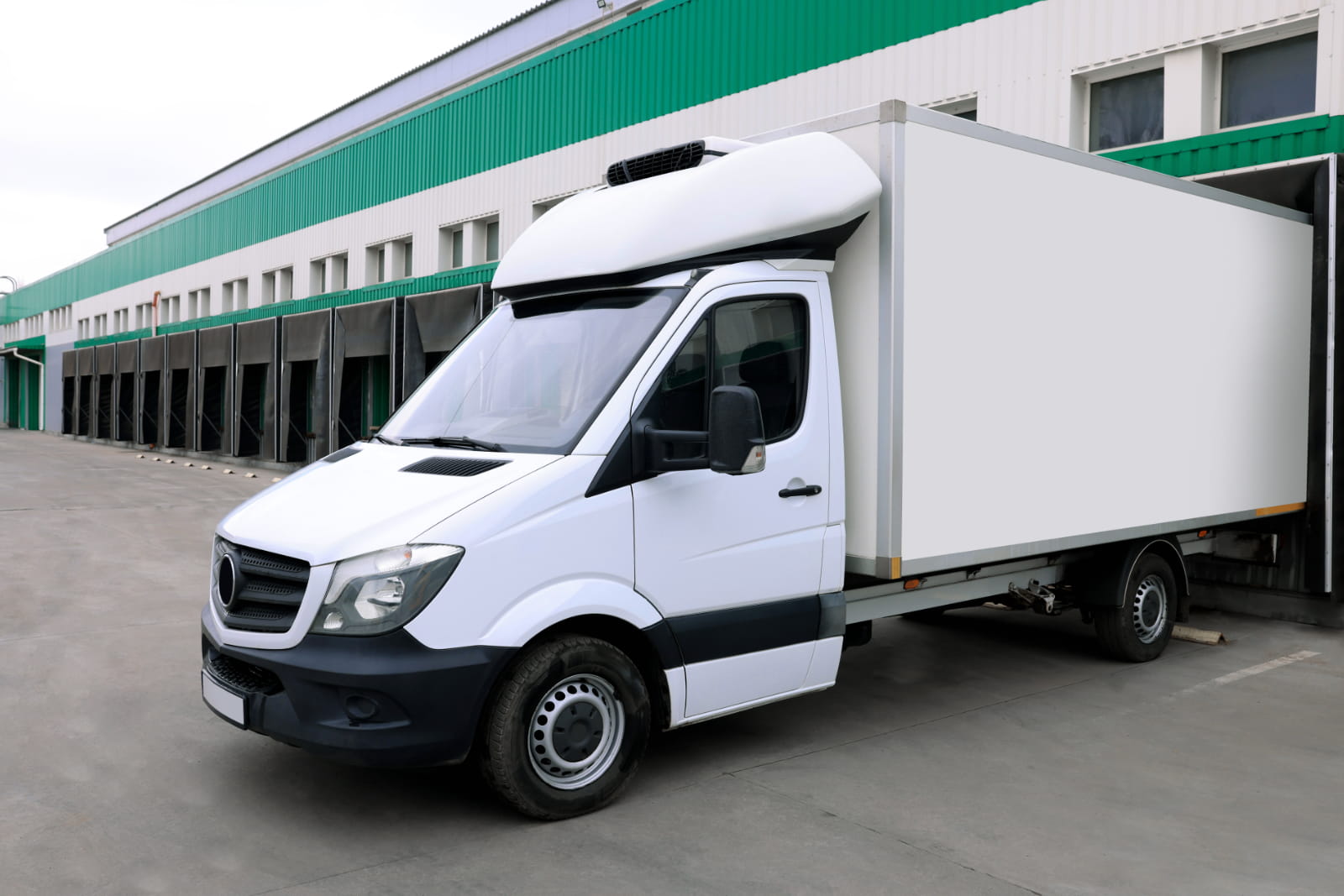
Why Refrigerated Trucks Need Tail Lifts
A fridge unit is important, but it is only one part of a much bigger system. To keep chilled, frozen or temperature-sensitive goods safe, the vehicle body, loading process, insulation, driver behaviour, maintenance routine and equipment such as tail lifts all need to work together.
Refrigerated transport is used across food, beverage, pharmaceutical, retail and last-mile delivery operations, where temperature control, safety and speed all matter. With South Africa’s cold chain logistics market valued at more than USD 1.5 billion in 2024 and expected to grow at around 9% CAGR to 2030, fleet operators need to think beyond basic refrigeration and invest in a complete, reliable cold chain setup.
Refrigerated Trucks Need Strong Temperature Control From Start To Finish
Refrigerated trucks are built to maintain temperature, not rescue goods that were loaded too warm. This is one of the most important points in cold chain logistics. If chilled, frozen or temperature-sensitive cargo enters the load box at the wrong temperature, the cooling unit has to work much harder, which increases fuel use and raises the risk of product damage. Good cold chain practice starts before the truck even leaves the depot.
Temperature control also becomes harder during multi-drop routes. Every delivery stop creates a risk because the rear doors open, warm air enters, and the internal environment changes. This is a serious issue for food and beverage fleets, where routes often include supermarkets, restaurants, cafés and retail outlets. The longer the doors stay open, the more pressure is placed on the cooling unit.
The scale of cold chain transport shows why this matters. Refrigerated road vehicles form a huge part of the global food supply system, with around 4 million refrigerated road vehicles in use worldwide as of 2010. In the United States alone, about 500,000 reefers were responsible for transporting around 70% of the food consumed by the population. That kind of volume makes small improvements in temperature control, loading speed and delivery efficiency very valuable.
Why Tail Lifts Matter In Refrigerated Truck Deliveries
Tail lifts play an important role in refrigerated truck deliveries because they reduce the time and effort needed to move heavy or temperature-sensitive goods from the vehicle to the delivery point. In cold chain work, faster unloading is not just a productivity benefit. It also helps protect the internal temperature of the vehicle by reducing how long the doors stay open.
- Tail lifts reduce manual lifting, which helps lower the risk of back strain, muscle injuries and fatigue.
- They allow heavier goods such as pallets, crates, kegs and frozen stock to be moved more safely.
- They help drivers offload more goods in fewer trips, which can reduce door-open time.
- Stable hydraulic movement helps protect fragile cargo such as eggs, glass-bottled dairy, produce and medical stock.
- Overload sensors, roll stops and visibility features can improve safety during busy delivery operations.
- Controlled lifting and lowering can reduce product damage compared with manual handling.
For refrigerated fleets, the benefit is clear: tail lifts help the vehicle, the driver and the cooling system work together. Instead of relying on slow manual offloading, drivers can move goods using pallet jacks, cages or trolleys. This improves turnaround time at each stop and reduces the chance of temperature fluctuations affecting the remaining cargo.
Real-world examples support this. Refrigerated food distribution fleets have reported reductions in average loading time per stop of up to 25% after fitting high-capacity tail lifts, while courier depots using tail lifts for bulky goods improved van turnaround and depot throughput by 15%. These numbers show that tail lifts can directly support faster, safer and more efficient logistics.
The Truck Body And Insulation Are Just As Important As The Fridge
A strong cooling unit still needs a well-built truck body around it. If insulation is poor, heat enters the load space more easily and the fridge has to work harder to maintain the set temperature. This can increase energy use, raise operating costs and reduce the lifespan of the refrigeration equipment. Over time, a cheap body can become expensive to run.
Insulation quality also affects how quickly the truck body can reach and hold the right temperature. Some refrigerated body tests have shown big differences in how long bodies take to pull down to temperature and how well they maintain it. In practical terms, this means two trucks with similar cooling units can perform very differently if one has better insulation, door seals and body construction.
This is especially important in South Africa, where high ambient temperatures, long routes and mixed delivery environments can place extra strain on refrigerated vehicles. Operators should look carefully at insulation materials, panel quality, door design, thermal performance and long-term durability. The fridge unit matters, but the body decides how much work that fridge has to do.
Tail Lifts Help With Urban And Last-Mile Cold Chain Challenges
Urban and last-mile refrigerated deliveries are often more complex than long-distance transport. Drivers may need to deliver to homes, restaurants, small shops, clinics or older buildings that do not have loading docks or forklifts. In these places, tail lifts give refrigerated trucks the flexibility to unload safely without relying on site equipment.
- Tail lifts help drivers deliver to locations without raised loading bays.
- They support faster kerbside unloading in busy urban areas.
- They reduce the need for extra staff at delivery points.
- They make it easier to handle bulky chilled, frozen or pharmaceutical goods.
- They help keep goods off the ground, supporting hygiene and safer handling.
- They improve route flexibility because one vehicle can serve different delivery environments.
This matters because e-commerce, food delivery and direct-to-customer logistics are growing. In South Africa, online retail exceeded R55 billion in 2023, an increase of more than 30% compared with the previous year. As more bulky, perishable and temperature-sensitive goods move through non-traditional delivery points, vehicles need equipment that supports quick and safe unloading.
For cold chain operators, this flexibility helps protect both service quality and product quality. A driver who can unload quickly at a tight urban delivery point can close the vehicle sooner, reduce idle time and keep the route moving. That makes tail lifts a practical part of temperature control, not just a loading accessory.
Choosing The Right Tail Lifts For Refrigerated Trucks
The right tail lift depends on the vehicle, the load and the delivery route. A refrigerated van doing urban last-mile deliveries will have different needs from a heavy truck delivering pallets to supermarkets or distribution centres. Fleet operators should consider lift capacity, platform size, vehicle weight, dock access, corrosion protection and service support before making a decision.
Cantilever lifts are often a strong choice for heavy-duty refrigerated delivery because they offer good platform stability and can handle high-cycle use. Slider lifts are useful where frequent dock access or forklift loading is needed because they allow quick access to the cargo space. Fold-away or tuckunder lifts can be valuable in food and FMCG transport because they stay under the chassis when not in use, leaving the rear of the vehicle free for loading dock work.
Capacity must also be matched carefully. Cold chain cargo can be dense and heavy, especially when moving pallets of beverages, frozen goods or bulk food stock. Some guidance recommends specifying rated capacity at least 20% above the maximum expected payload. This gives operators a safer working margin and reduces the risk of overloading the lift during busy routes.
Maintenance Keeps The Whole Refrigerated System Working
Refrigerated trucks work under tough conditions. The cooling unit may run for long hours, the doors open many times per route, and the tail lift operates in moisture, condensation, dust and changing temperatures. Without regular maintenance, small faults can quickly become breakdowns that affect deliveries, safety and product quality.
Tail lifts need routine checks on hydraulic systems, platform movement, hinges, pins, cylinders, controls and safety features. Lubrication is especially important because neglected moving parts can lead to breakdowns. One source noted that poor lubrication contributes to more than half of roadside breakdowns in the transport industry, which shows how basic maintenance can have a major impact on uptime.
The truck body and cooling system also need attention. Door seals should be checked for wear, panels should be inspected for damage, and temperature records should be reviewed for unusual changes. A good maintenance plan protects the vehicle as a complete cold chain system rather than treating the fridge, body and tail lift as separate items.
Data, Driver Habits And Delivery Planning Also Matter
Technology is changing refrigerated transport. Data logging and telematics help operators monitor temperature, equipment performance and route conditions. This is valuable because it gives fleet managers a clearer view of what happens during each delivery and helps identify issues before they become serious.
Driver habits also make a big difference. Drivers should understand that the cooling unit is there to maintain temperature, not correct poor loading or long delays. Simple actions such as organising goods by drop point, checking paperwork before opening doors, closing doors between deliveries and using the tail lift properly can reduce unnecessary temperature changes.
Planning ties everything together. Routes should be arranged to reduce unnecessary stops, goods should be loaded in a logical order, and equipment should match the delivery environment. In sectors such as pharmaceuticals and medical supply chains, where vaccines, medicines and devices require careful handling, stable transfers and reliable timing are especially important. Tail lifts support this by reducing manual handling errors and helping protect sensitive cargo.
Who sells tail lifts compatible with refrigerated trucks?
At Dhollandia SA, we supply tail lifts compatible with refrigerated trucks and other commercial vehicle applications across South Africa. We understand that cold chain fleets need more than lifting power. They need safe, durable and reliable equipment that supports fast unloading, protects cargo and reduces vehicle downtime.
- We are the authorised Dhollandia dealer in South Africa.
- We operate through branches in Johannesburg, Cape Town, Durban and Port Elizabeth.
- We offer a wide range of tail lift options, including cantilever, slider, fold-away, column, van and special-order passenger lifts.
- Our product range includes lift capacities from 150 kg to 16,000 kg.
- We provide servicing, maintenance and repairs for Dhollandia products and other brands.
- We offer 24-hour national breakdown support and warranty assistance.
- We also stock and supply Pommier industrial vehicle body equipment and accessories.
Our experience helps us recommend tail lift solutions for different vehicle types, delivery routes and load requirements. For refrigerated trucks, we focus on practical fitment, reliable operation, corrosion protection and long-term performance. Features such as hot-dip zinc-plated finishes, low-maintenance bearings, grease nipples at critical points and hard-chromed stainless steel piston rods help support durability in demanding transport environments.
We also see ourselves as a service partner, not only an equipment supplier. Our team has more than 20 years of combined experience, and our focus is on helping customers keep vehicles moving, minimise downtime and extend the working life of every tail lift. That makes us well placed to support refrigerated truck fleets that depend on safe, fast and reliable deliveries.
The Real Value Is In The Complete Cold Chain Setup
A refrigerated truck only performs well when every part of the system supports the cold chain. The cooling unit, body insulation, door seals, loading process, tail lift, maintenance routine and driver behaviour all affect the final result. If one area is weak, the whole operation can suffer.
This is why the cheapest equipment is not always the best choice. A lower upfront cost can lead to higher fuel use, slower deliveries, increased repairs and more product losses. In industries such as food, beverage, pharmaceuticals and retail, damaged or spoiled goods can cost far more than the savings made at purchase stage.
The better approach is to think in terms of lifecycle value. A well-specified refrigerated truck with quality insulation, reliable lifting equipment and a proper maintenance plan can improve uptime, protect goods and help fleets handle more deliveries with less risk. As tail lift technology becomes lighter, more energy-efficient and more connected to diagnostics, it will remain a key part of modern cold chain logistics.
Bringing The Whole Cold Chain Together
A cooling unit is essential, but it needs support from strong insulation, good loading practices, reliable tail lifts, planned maintenance, trained drivers and smart delivery planning.
At Dhollandia SA, we help businesses choose and maintain tail lift solutions that support safer, faster and more efficient refrigerated transport. Get in touch with us to discuss your fleet, your delivery challenges and the right lifting solution for your refrigerated trucks.