An Expert Guide to the Hydraulic Lift
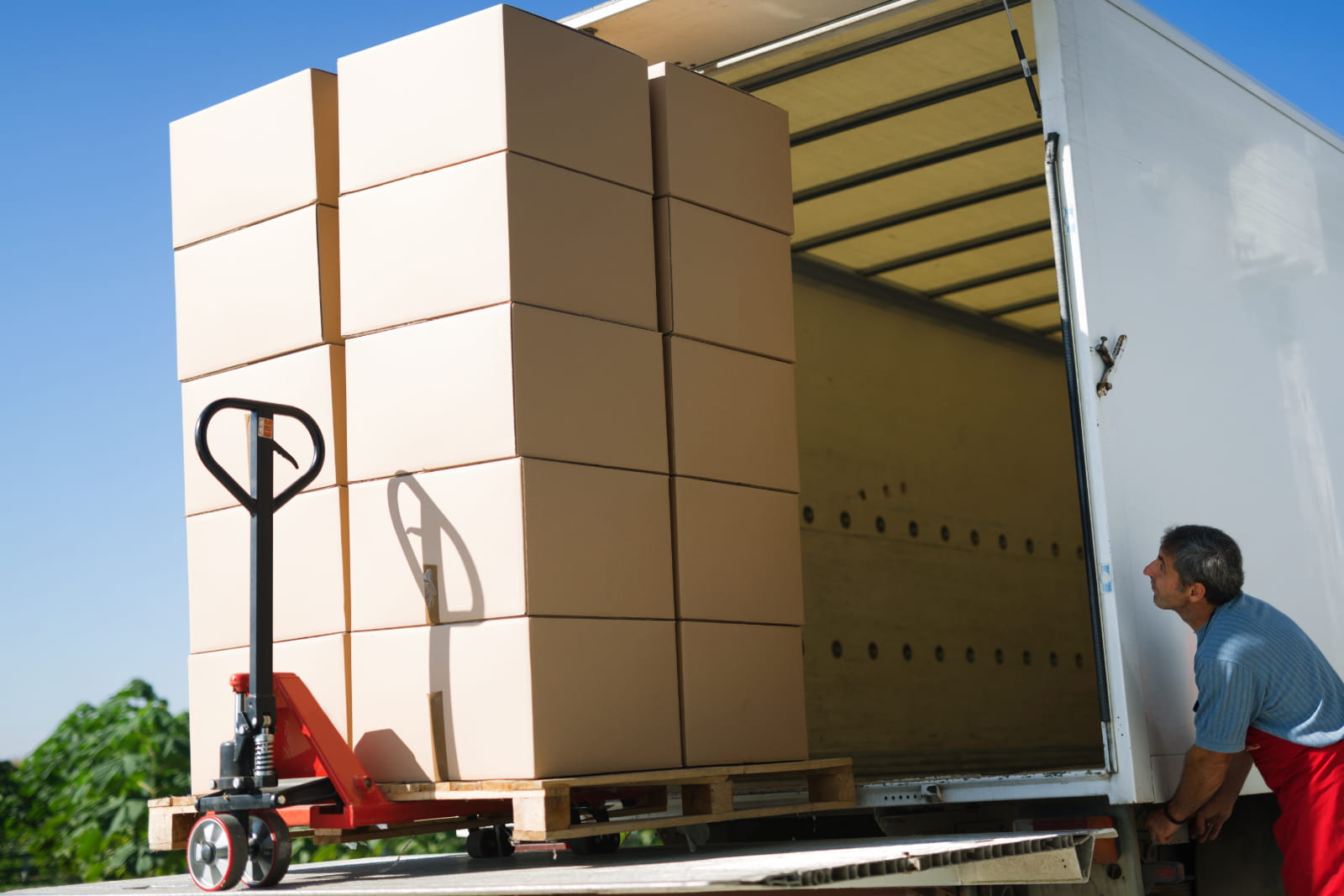
The hydraulic lift is a practical part of modern transport, helping trucks, vans and commercial vehicles load and unload heavy goods safely. Hydraulic lifts are especially useful when there is no loading dock, no forklift on site, or when items are too heavy to move by hand.
In simple terms, a hydraulic lift uses pressurised fluid to raise and lower a platform. This makes it easier to move pallets, furniture, equipment, building materials and bulky cargo between the ground and the vehicle bed with less strain, less risk and better control.
What Is a Hydraulic Lift?
A hydraulic lift is a lifting system that uses hydraulic pressure to create controlled movement. In commercial transport, this often takes the form of a tail lift fitted to the rear of a truck or van. It works as a bridge between ground level and the load bed.
The main purpose is to reduce manual handling. This matters because heavy lifting is one of the most common causes of workplace strain and injury in transport and logistics. When loads are large, awkward or above safe manual handling limits, a hydraulic system gives operators a safer way to move goods.
Hydraulic lifts are used on vehicles of many sizes, from light delivery vans to heavy-duty trucks. General tail lift models can commonly handle loads up to around 2,500 kg, while heavy-duty commercial systems can go far higher depending on the design, vehicle and application.
How Hydraulic Lifts Work
Hydraulic lifts work by moving oil or hydraulic fluid through a closed system. When the operator presses the raise control, an electric motor powers a pump. The pump forces fluid from a reservoir through hoses and into one or more hydraulic cylinders.
As pressure builds inside the cylinder, the piston extends. This movement raises the platform and the load. When the operator presses the lower control, a valve allows fluid to return to the reservoir, releasing pressure so the platform can lower in a controlled way.
This process is simple but powerful. Hydraulic systems can move heavy loads smoothly because fluid does not compress easily. That is why the same basic principle is used across truck tail lifts, industrial lifting systems and many other heavy-duty applications.
Main Components of Hydraulic Lifts
Hydraulic lifts rely on several parts working together. Each component has a clear job, and if one part fails, the whole system can become unsafe or unreliable. This is why proper design, installation and servicing are essential for commercial vehicles.
A well-built hydraulic lift is more than just a platform. It includes mechanical, electrical and hydraulic parts that control lifting force, movement speed, safety and load handling. These parts must match the vehicle type, expected load and working environment.
- Platform: Supports the goods during loading and unloading.
- Hydraulic pump: Creates the pressure needed to move the lift.
- Hydraulic reservoir: Stores the hydraulic fluid used by the system.
- Hydraulic cylinders: Convert fluid pressure into lifting movement.
- Control box: Allows the operator to raise and lower the platform.
- Hoses and fittings: Move fluid between the pump, valves and cylinders.
- Control valves: Direct and regulate hydraulic fluid flow.
- Relief valves: Help protect the system from excess pressure.
- Safety locks and barriers: Help prevent movement or cargo accidents.
These parts need to be inspected regularly because hydraulic lifts often work under repeated pressure. Worn hoses, loose fittings, low fluid levels or faulty switches can all affect safe operation.
For commercial fleets, small issues can quickly become costly. A damaged hose or unreliable control panel can delay deliveries, increase downtime and place operators at risk. Regular checks help keep the lift dependable and extend its service life.
Types of Hydraulic Lifts for Trucks
Hydraulic lifts for trucks are available in several designs. The right option depends on vehicle size, load type, working space and how often the lift will be used. A delivery vehicle handling light goods will not need the same system as a truck moving heavy pallets or industrial equipment.
Different lift types also suit different working locations. Some are best for loading docks, while others are better for uneven ground, construction sites or residential deliveries. Choosing the wrong design can make daily work slower, less safe and more expensive.
- Parallel arm lifts: Often used on pickups and smaller service vehicles.
- Railgate lifts: Move vertically and provide stable platform travel.
- Column lifts: Built for heavier lifting and higher vertical movement.
- Cantilever lifts: Can tilt as well as lift, making them useful on uneven ground.
- Tuck-under lifts: Fold away beneath the vehicle bed when not in use.
- Slider lifts: Store under the vehicle and slide out before operation.
- Heavy-duty tail lifts: Designed for high-capacity commercial applications.
Some standard commercial tail lift ranges cover capacities from about 500 kg to 4,000 kg. Heavy-duty systems can exceed this, with specialist solutions available for much larger industrial loads.
The best choice should be based on real operating needs. Load weight, platform size, vehicle height, installation space and the loading environment all need to be considered before buying a lift.
Why Hydraulic Lifts Are Useful in Commercial Transport
Hydraulic lifts are useful because they reduce the effort needed to move heavy goods. They allow operators to load and unload cargo without relying only on physical strength, which helps improve safety and speed on site.
They are also useful where proper loading infrastructure is not available. Many delivery points, homes, small businesses and construction sites do not have loading docks. A hydraulic lift allows goods to be lowered directly to the ground or raised to the truck bed.
- They reduce manual lifting and handling.
- They help prevent cargo damage during unloading.
- They make deliveries possible at sites without loading docks.
- They reduce the need for forklifts or extra equipment.
- They help one vehicle handle a wider range of delivery locations.
- They improve efficiency for bulky, heavy or awkward loads.
- They support safer work for drivers and loading teams.
In freight and logistics, time matters. Faster loading and unloading means fewer delays, better route efficiency and less pressure on delivery teams.
Hydraulic lifts also support better service for customers. When goods arrive safely and can be unloaded where needed, the delivery experience improves and businesses avoid extra handling problems.
Safety Considerations for Hydraulic Lifts
Safety starts with load capacity. Every hydraulic lift has a rated maximum load, and that limit must be respected. Overloading can damage the platform, strain the hydraulic system and create serious risk for the operator.
Load position is just as important as load weight. Many lift ratings depend on the load centre, which is the distance between the load and the platform or lifting point. A load placed too far from the correct centre can overload the lift even if the total weight seems acceptable.
Operators should check the lift before use. This includes looking for hydraulic leaks, damaged hoses, loose wiring, broken switches, worn platform surfaces and faulty safety locks. If the lift moves unevenly, drops suddenly or makes unusual noises, it should be checked before further use.
Maintenance Tips for Hydraulic Lifts
Regular maintenance keeps hydraulic lifts safe and dependable. The hydraulic fluid level should be checked, and the system should be inspected for leaks, worn seals and damaged hoses. These parts carry pressure, so even a small fault can affect performance.
Electrical checks are also important. The control box, motor, fuse, wiring and solenoid all need to work properly. If the lift does not respond smoothly to the controls, the fault may be electrical rather than mechanical.
Moving parts should be lubricated according to the service schedule. Hinges, pins, bushings and platform joints all experience wear during daily use. Keeping records of inspections and repairs also helps fleet owners plan maintenance before breakdowns affect deliveries.
Where Can I Buy a Tail Lift With High Load Capacity for Commercial Trucks?
For high-capacity commercial truck requirements, Dhollandia SA offers strong local expertise backed by a global tail lift brand. We supply tail lift solutions with capacities ranging from 150 kg to 16,000 kg, which makes it possible to match the lift to the vehicle, load and application.
We also understand that buying a tail lift is not only about capacity. Commercial operators need safe installation, reliable service, quick support and long-term parts availability. That is why our approach includes both product supply and full-service support.
- We are the authorised Dhollandia dealer in South Africa.
- We support customers through branches in Johannesburg, Durban, Cape Town and Port Elizabeth.
- We provide tail lift sales, servicing, repairs and maintenance.
- We offer support for competitor brands as well.
- We provide 24-hour national breakdown support.
- We assist with warranty support and customer-focused service.
- We help reduce downtime through fast response and practical advice.
Our team brings more than 20 years of combined experience in the field. That experience helps us recommend solutions that suit real commercial conditions rather than only catalogue specifications.
We focus on safe, reliable, cost-effective and customer-oriented lifting solutions. Whether the need is a light-duty unit or a high-capacity commercial tail lift, we help businesses keep vehicles working and loads moving.
What to Consider Before Buying Hydraulic Lifts
Before buying hydraulic lifts, start with the load. Consider the heaviest item being moved, the average daily load, the load centre and whether goods are palletised, loose, fragile or bulky. This will help narrow down the right capacity and platform size.
Next, consider the vehicle. The load bed height, chassis layout, frame width and available installation space all affect what can be fitted. A lift that works well on one truck may not suit another vehicle without proper checks.
Finally, think about the total cost of ownership. Purchase price matters, but so do installation quality, service support, parts availability and downtime. A reliable lift with strong after-sales support can save money over time by reducing delays, repairs and safety risks.
Making Commercial Loading Better
Hydraulic lifts make commercial loading and unloading safer, quicker and more practical. They use hydraulic pressure to move heavy goods between ground level and the vehicle bed, helping businesses reduce manual handling, protect cargo and work efficiently in locations without loading docks.
If your business needs a dependable tail lift solution, we are ready to help. Get in touch with Dhollandia SA to discuss your vehicle, load capacity and service needs, and we will help you find a safe, practical and cost-effective solution for your fleet.
FAQs About The Hydraulic Lift
The main types of tail lifts include parallel arm lifts, railgate lifts, column lifts, cantilever lifts, tuck-under lifts and slider lifts. Each type is designed for a different vehicle, load and working environment. Parallel arm lifts are often fitted to smaller vehicles, while column and railgate lifts offer strong vertical movement. Cantilever lifts are useful when tilt control is needed, especially on uneven ground. Tuck-under and slider lifts store beneath the vehicle bed, keeping the rear access clear. The best choice depends on load weight, vehicle size, loading space and daily operating needs
A cantilever tail lift is used when a strong, flexible platform is needed for loading and unloading goods. It is fitted to the rear of the vehicle and uses hydraulic rams to raise, lower and tilt the platform. This tilt function makes it useful for uneven ground, awkward loading areas and deliveries where a ramp-style approach helps move goods safely. Cantilever tail lifts are often used on commercial trucks carrying pallets, equipment, furniture and bulky freight. They are a good choice when operators need stability, high load support and better control over platform angle.
A tuck-under tail lift is a hydraulic lift that folds and stores underneath the vehicle bed when not in use. This design keeps the rear of the vehicle clear, which is helpful when loading at docks or when frequent rear access is needed. The platform is unfolded and lowered only when required. Tuck-under lifts are popular for delivery trucks because they offer a practical balance between lifting ability and space-saving design. They are especially useful for businesses that sometimes use loading bays and sometimes deliver to locations without proper unloading facilities.
A railgate tail lift and a column tail lift both move vertically, but they are usually built for different load requirements. A railgate uses vertical rails fitted to the vehicle body to guide the platform up and down. It is often used for stable, controlled lifting. A column lift is generally heavier duty and can handle larger loads, with strong tracks mounted to the rear of the vehicle. Column lifts may also offer above-bed travel, which is useful when the vehicle bed sits lower than the loading dock. Both types are practical for commercial transport.
For heavy loads, column lifts, slider lifts, heavy-duty cantilever lifts and specialist high-capacity tail lifts are often the best options. The right choice depends on the vehicle, platform size, load centre and maximum lifting capacity required. Heavy loads need more than a strong platform. They also need the correct hydraulic system, safe load distribution and reliable controls. Buyers should never choose a lift based on capacity alone. It is important to consider how often the lift will be used, where it will operate and whether after-sales service and parts support are available.
To choose the right tail lift type, start by looking at the goods being moved. Consider the heaviest load, item size, platform space and whether the goods are palletised, loose or fragile. Then check the vehicle’s load bed height, chassis, installation space and typical delivery locations. A tuck-under lift may suit mixed dock and street deliveries, while a cantilever lift may be better for uneven ground. For heavier commercial use, a column, slider or high-capacity lift may be more suitable. Professional advice is important because the lift must match both the vehicle and workload.