
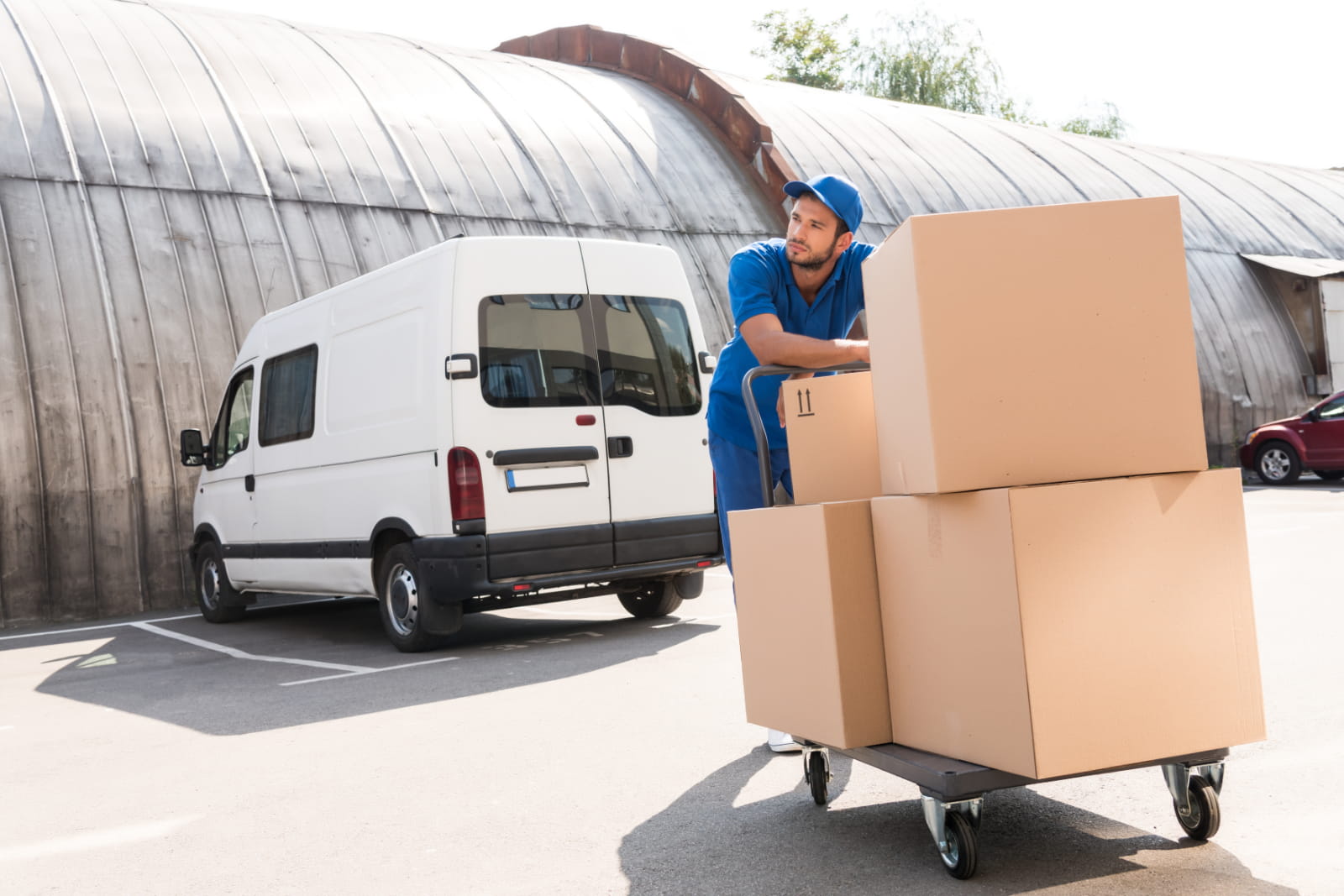
Electric Tail Lifts for Vans
Tail lifts for vans are becoming a practical must-have for businesses that move goods every day. Whether the job involves parcels, tools, catering stock, medical equipment, crates, furniture, or smaller palletised loads, a van tail lift helps move items between ground level and the load area without relying on heavy manual lifting.
For many operators, the big win is simple: safer handling, quicker stops, and less strain on drivers. A well-chosen electric tail lift can make a van more useful in tight delivery areas, rural sites, shopfronts, workshops, homes, and places where there is no ramp, forklift, or extra team waiting to help.
What Are Electric Tail Lifts for Vans?
Electric tail lifts for vans are lifting platforms fitted to the rear or side of a van to help raise and lower cargo safely. They are usually powered through the vehicle’s electrical system and can use hydraulic, electromechanical, or combined lifting technology depending on the model. The purpose is to make loading and unloading more controlled, especially when goods are too heavy or awkward to lift by hand.
Real-world lift capacities vary widely across the tail lift market. Some specialist tail lift ranges cover capacities from 150 kg to 16,000 kg, while van-focused and light commercial options are usually chosen for smaller, more regular delivery loads. For van operators, the key is not buying the strongest lift available, but choosing one that matches the vehicle, the cargo, and the daily workload.
Van lifts are especially useful for businesses that do many stops per day. A driver delivering to ten or twenty sites may repeat the same lifting movement again and again, which increases fatigue and the risk of injury. A tail lift changes that process by letting the platform do the heavy movement, while the operator focuses on safe load placement.
How Tail Lifts for Vans Work
Most tail lifts for vans work through a platform, a lifting mechanism, a power supply, and a control system. The operator places the goods on the platform, activates the controls, and the lift raises or lowers the load between the ground and the van floor. Many systems are fitted with practical safety features to make this movement steady and predictable.
Key working parts may include:
- A lifting platform for goods, crates, tools, equipment, or small palletised loads
- Electric controls for raising, lowering, and stopping the lift
- Hydraulic or electromechanical lifting components
- Hinges, arms, columns, or rails to guide platform movement
- A 12V or 24V vehicle power supply, depending on the vehicle setup
- Fuses, cabling, and charging support suited to the lift’s power demand
- Safety locks, non-slip surfaces, and overload protection
- A stowed travel position so the platform is secure while driving
A good tail lift does more than lift weight. It helps create a repeatable loading process. Instead of dragging items into the van, lifting them at awkward angles, or balancing cargo on the edge of the load area, the operator can place items properly and move them in a controlled way. This is safer for the driver, better for the goods, and more professional for the customer receiving the delivery.
Why Van Operators Use Electric Tail Lifts
Van operators use electric tail lifts because manual lifting is slow, tiring, and risky when it becomes part of everyday work. A single heavy lift may not seem like a problem, but repeated lifting across a full delivery route can put real pressure on the back, shoulders, knees, and hands. Tail lifts for vans reduce that pressure by doing the height change mechanically.
Common reasons for fitting electric tail lifts include:
- Less manual handling for drivers and assistants
- Faster loading and unloading at delivery sites
- Safer handling of bulky, fragile, or expensive goods
- Better delivery access where ramps or forklifts are not available
- More independence for solo drivers
- Fewer dropped loads and less cargo damage
- A more professional delivery experience
- Better route consistency across mixed urban and rural locations
Some logistics content suggests mechanical lifting platforms can reduce loading and unloading times by up to 30% per stop when used correctly. Even where the exact saving varies, the principle is clear: small time savings at each stop can add up fast across a full week. For a business running several vans, that can mean better schedule control, less driver fatigue, and more efficient use of each vehicle.
Key Benefits of Tail Lifts for Vans
Safer Loading and Unloading
Safety is one of the biggest reasons businesses invest in tail lifts for vans. Manual handling is a common cause of workplace strain, especially when staff lift goods from ground level into a raised load area. A tail lift reduces the need for awkward bending, pulling, twisting, and lifting, all of which can lead to injury over time.
A controlled lifting platform also helps reduce slips, trips, dropped goods, and sudden load movement. Features such as non-slip platforms, locking systems, guard-style protection on some models, and simple controls all support safer work. This matters even more for small businesses, where one injured driver can affect delivery capacity straight away.
Safety also protects the cargo. When goods are lifted by hand, they can be dropped, scraped, or damaged during loading. A tail lift gives items a smoother route into and out of the van, which is useful for fragile stock, furniture, catering goods, medical equipment, and high-value deliveries.
Better Efficiency on Delivery Routes
Delivery work is often judged by time, consistency, and customer experience. Tail lifts help with all three. They make loading and unloading more predictable because the driver does not need to wait for a ramp, forklift, loading bay, or extra staff at every site.
For vans working in South African delivery conditions, this flexibility is especially useful. A single route may include city traffic, uneven ground, narrow roads, rural stops, shopping areas, and customer premises with no loading infrastructure. A tail lift helps the vehicle work more independently in all of those settings.
The numbers matter too. If loading and unloading can be reduced by even a few minutes per stop, the gain across ten or more daily stops becomes meaningful. This is why tail lifts are often seen as an operational investment, not just an add-on.
Less Damage to Goods
Goods are most likely to be damaged when they are handled too many times or moved without the right equipment. Heavy boxes get dragged, fragile items get bumped, and awkward loads can fall because they are hard to hold safely. Tail lifts for vans reduce these risks by giving cargo a stable surface and controlled movement.
This is especially useful for businesses that handle items customers expect to arrive in good condition. Food products, tools, appliances, equipment, boxed stock, mobility devices, and event items all benefit from smoother handling. Less damage means fewer complaints, fewer returns, and less money lost through replacements.
A tail lift can also help protect the van itself. Repeated rough loading can damage door frames, floors, trims, and bumpers. By making the loading movement cleaner and more controlled, the lift supports both cargo care and vehicle care.
Types of Tail Lifts for Vans
Not every van needs the same lift. Some vehicles need compact rear-door solutions, while others need side-door access or a platform that stores away neatly. Van lifts are often specially measured and configured because door layout, ground clearance, body style, and cargo type all affect the right fit.
Column-style lifts are often useful where vertical movement and space efficiency are important. Cantilever-style lifts can suit heavier or more awkward commercial loads. Fold-away and slider-style solutions are often used on larger commercial vehicles where operators need free access to the cargo area when the lift is not in use.
The best lift type depends on daily reality, not just brochure numbers. A vehicle carrying light but bulky goods may need a larger platform rather than a huge weight rating. A van doing high-frequency deliveries may need easy controls and quick stowing. A business handling mixed cargo may need a more flexible setup.
What to Consider Before Choosing Tail Lifts for Vans
Choosing the right lift starts with the load. Businesses should look at the heaviest item they carry, the size of that item, how it is moved, and how often the lift will be used. Load capacity should include a sensible safety margin, but it should also be realistic for the van’s size and payload limits.
Important points to check include:
- Maximum load weight
- Load centre and weight distribution
- Platform width and depth
- Rear-door or side-door access requirements
- Vehicle payload after the lift is fitted
- Ground clearance and installation space
- Daily number of loading cycles
- Cargo type, such as crates, parcels, tools, machinery, or mobility equipment
- Power supply, battery condition, cabling, and fuse requirements
- Operator training and maintenance support
Payload is a key detail that is easy to overlook. A lift adds weight to the vehicle, so the remaining legal payload must still be enough for the cargo. For example, if a lift weighs several hundred kilograms on a larger commercial setup, that weight comes off the payload available for goods. A proper fitment decision should consider both lifting capacity and the working capacity of the van after installation.
Installation, Power, and Vehicle Compatibility
Professional installation is essential because a tail lift must work safely with the vehicle’s structure and electrical system. The mounting points must be strong enough, the platform must move correctly, and the controls must be placed where the operator can use them safely. A poor installation can cause downtime, safety issues, and long-term damage.
Power supply is another major factor. Many vehicles use 12V or 24V battery systems, and tail lifts need dependable power to operate correctly. Battery capacity, charging support, cabling, and fuses must be matched to the lift’s requirements, especially when the lift is used many times per day.
Control systems should also be treated carefully. Wireless and remote controls can be useful, but non-original or poorly matched controls may create safety and compliance problems. A lift should be installed with approved control systems that support safe operation and protect the integrity of the whole setup.
Maintenance and Safe Use
A tail lift works hard, so it needs regular checks. Daily visual checks help spot obvious issues before they become serious, while scheduled servicing keeps moving parts, electrical systems, hydraulics, and safety features in good condition. Maintenance is not just about avoiding breakdowns, it is part of safe operation.
Safe-use basics include:
- Check the platform before use
- Keep the platform clean and free from oil, mud, and loose items
- Do not exceed the rated lifting capacity
- Place loads evenly on the platform
- Keep hands and feet clear of moving parts
- Use the controls from a safe position
- Never allow untrained staff to operate the lift
- Stow and secure the platform before driving
- Inspect hinges, pins, joints, wiring, cylinders, and safety locks
- Keep service records and follow the recommended maintenance schedule
Annual inspections, load testing, lubrication, and electrical checks are important for long-term reliability. A well-maintained lift lasts longer, performs more consistently, and reduces the chance of delivery disruption. For businesses that depend on vans every day, avoiding downtime is just as important as choosing the right lift in the first place.
Which Manufacturers Offer Electric Tail Lifts for Vans?
Dhollandia SA offers a broad range of tail lift solutions for commercial vehicles, including van lifts for factory-built panel vans, passenger vans, and larger commercial vehicles. We provide special-order van lift solutions that can be mounted inside rear or side doors, depending on the vehicle and workflow. These lifts require accurate measurement and setup, which is why expert support is so important.
Our support includes:
- Tail lift advice based on vehicle, cargo, and workflow
- Van lift solutions for rear-door or side-door mounting
- Professional installation
- Maintenance and repairs
- Warranty assistance
- 24-hour national breakdown support
- Servicing on our lifts and other brands
- Support through branches in Johannesburg, Durban, Cape Town, and Port Elizabeth
- Access to a wide product range with many electrical, hydraulic, and mechanical options
We combine local service with the backing of an international tail lift brand. Our team has more than 20 years of combined expertise and focuses on safe, reliable, flexible, and cost-effective support. We also place strong focus on finish and durability, with features such as low-maintenance bearings, grease nipples at key articulation points, hard-chromed stainless steel piston rods, and protective finishes on many lift components.
Are Electric Tail Lifts for Vans Worth It?
For businesses that regularly move heavy, awkward, or valuable goods, electric tail lifts for vans are often worth the investment. They help reduce manual handling, improve route efficiency, protect cargo, and make deliveries easier in places with limited loading infrastructure.
The value becomes clearer when looking at daily use. If a driver completes many stops per day, the lift can reduce repeated strain and improve consistency. If a business handles fragile goods, the lift can help lower the risk of damage. If a company delivers to varied locations, the lift gives the van more independence.
There is also a customer-service benefit. Turning up with the right lifting equipment looks professional and helps make the delivery smoother. Customers do not want delays, damaged goods, or unsafe unloading on their premises. A van fitted with the right lift can help avoid all three.
Handling Load with Ease
Tail lifts for vans give businesses a safer, quicker, and more flexible way to handle everyday loading. They reduce the pressure on drivers, improve delivery flow, protect goods, and help vans work in places where ramps, forklifts, and extra staff are not available.
At Dhollandia SA, we help customers choose, install, maintain, and repair van tail lift solutions that fit their real working needs. Get in touch with us today and we will help you find the right electric tail lift for your vehicle, your cargo, and your business.
FAQs About Tail Lifts for Vans
An electric tail lift for a van is a powered lifting platform fitted to the rear or side of the vehicle. It helps move goods between ground level and the van’s load area without heavy manual lifting. Most systems use the vehicle’s electrical supply to power hydraulic or electromechanical lifting parts. The operator places the load on the platform, uses simple controls, and raises or lowers the goods safely. Tail lifts for vans are useful for deliveries, tools, equipment, crates, parcels, mobility aids and other items that are too heavy, bulky or awkward to lift by hand safely.
The weight a van tail lift can carry depends on the model, vehicle type, platform size and installation setup. Smaller van lifts are normally designed for lighter commercial loads, while larger commercial tail lifts can handle much heavier cargo. It is important to check the rated lifting capacity, load centre and the van’s remaining payload after the lift is fitted. A lift that can raise a certain weight does not mean the van can legally carry that same total load. Always choose tail lifts for vans with a proper safety margin and get expert advice before fitting one to a working vehicle.
Electric tail lifts for vans are safe when they are correctly chosen, professionally installed, properly maintained and used by trained operators. Good systems include safety features such as stable platforms, secure controls, non-slip surfaces, locking mechanisms and overload protection. However, safe use still depends on the person operating the lift. Loads should be placed evenly, weight limits must never be exceeded, and hands or feet must be kept clear of moving parts. Regular inspections are also important because worn hinges, damaged wiring or hydraulic faults can create risks. A tail lift should always be treated as working lifting equipment.
Yes, tail lifts for vans need regular maintenance to stay safe, reliable and efficient. Daily visual checks help spot obvious damage, loose parts, oil leaks or control issues before the vehicle leaves for deliveries. Scheduled servicing should include checks on the platform, hinges, pins, joints, electrical connections, batteries, hydraulic components and safety systems. Lubrication and load testing may also be needed depending on the lift type and usage level. Keeping service records is a smart habit because it supports compliance, reduces downtime and helps extend the working life of the lift. Preventative maintenance is usually cheaper than emergency repair work.
A tail lift cannot be fitted to every van without checking the vehicle first. The installer must consider door layout, chassis strength, ground clearance, available mounting space, electrical supply, payload and the type of cargo being carried. Some vans may suit rear-door mounting, while others may need a side-door solution or a special setup. The weight of the lift also reduces the van’s available payload, so this must be included in the decision. Tail lifts for vans often require accurate measurements before installation. The safest option is to get a professional assessment before choosing a specific model.
Tail lifts for vans are often worth the cost for businesses that move heavy, bulky or valuable goods regularly. They reduce manual lifting, lower injury risk, protect cargo and help drivers complete deliveries more efficiently. The value becomes clearer when a van does multiple stops per day or delivers to sites without ramps, forklifts or extra staff. A lift can also make a business look more professional because goods are handled in a safer, more controlled way. While the upfront cost matters, the long-term gains in safety, productivity, reduced damage and lower downtime often make the investment worthwhile.