
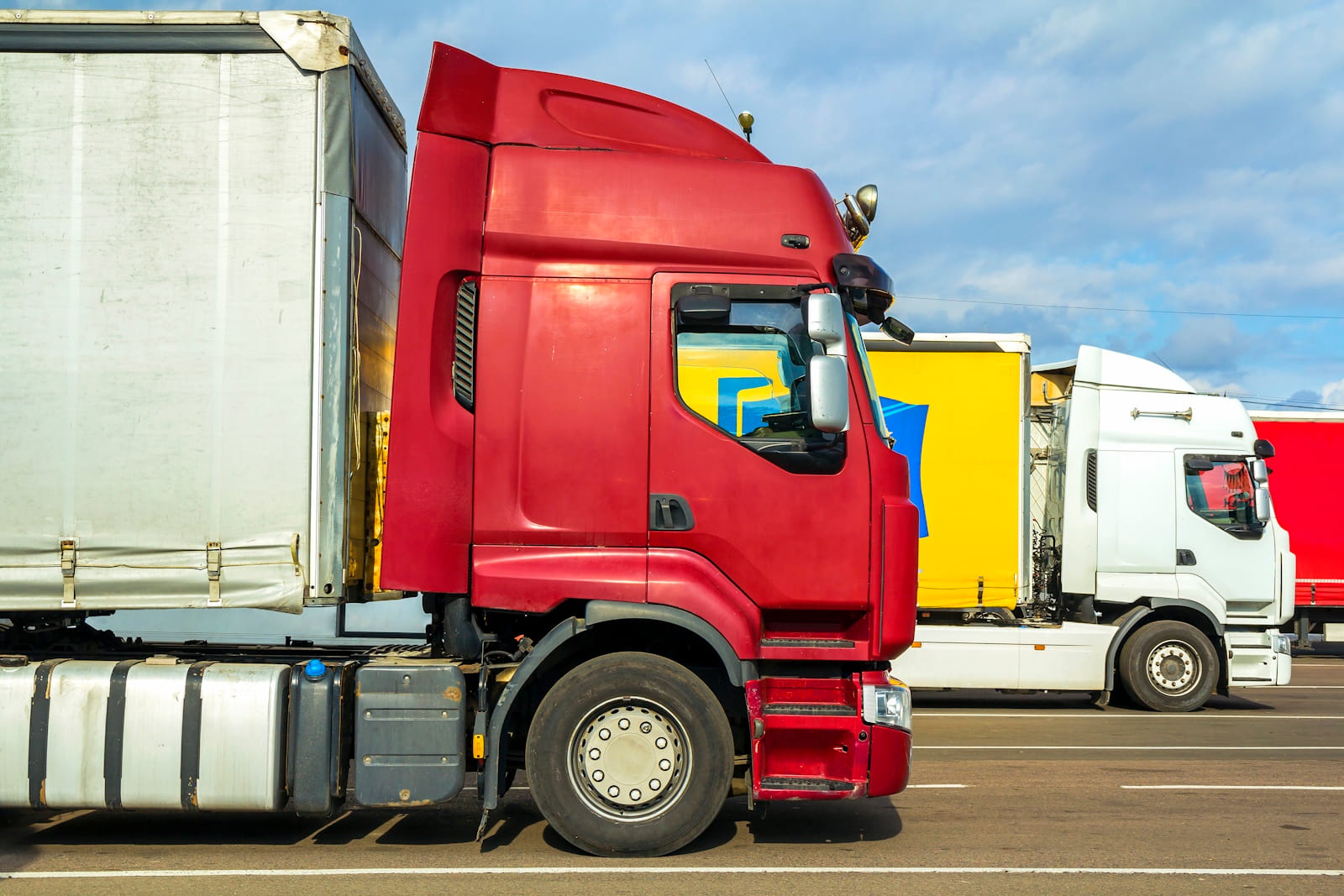
Delivering and Installing Tail Lifts On-Site
Delivering and installing tail lifts on-site gives fleet operators a practical way to upgrade vehicles without sending each truck or van to a distant workshop. A qualified installation team can bring the selected lift, mounting equipment and technical tools directly to the customer’s depot or operating premises. This can reduce transport arrangements, simplify scheduling and help businesses keep closer control of vehicle downtime.
However, on-site installation should never be treated as a quick mechanical add-on. A tail lift changes the weight, balance and structure of a commercial vehicle, so the process must include vehicle inspection, lift selection, safe mounting, hydraulic and electrical work, load testing and operator training. When each stage is properly managed, the completed installation can support safer loading, faster deliveries and more reliable daily fleet operations.
Why Choose On-Site Delivery and Installation?
On-site installation can make fleet upgrades easier to coordinate, especially when several vehicles need similar equipment. Instead of arranging separate workshop visits, fleet managers can prepare vehicles at one location and schedule the work around normal delivery demands. This reduces unnecessary vehicle movements and allows the business to monitor the installation process directly.
The approach is also useful when vehicles are based far from specialist workshops or operate from busy distribution centres. Technicians can review the working environment, speak to drivers and observe how goods are normally loaded. This practical information helps them understand whether the vehicle handles pallets, cages, machinery, appliances or other bulky goods.
Key benefits of on-site delivery and installation include:
- Reduced vehicle travel to and from a workshop
- Easier scheduling for multi-vehicle fleets
- Less disruption to normal fleet operations
- Direct access to fleet managers and drivers
- Better understanding of the actual loading environment
- Faster identification of site-specific operating risks
- A more convenient handover and training process
- Improved coordination of future servicing and repairs
On-site installation also gives operators an opportunity to discuss real loading problems before the lift is commissioned. For example, drivers may need additional platform space for pallet trucks or roll cages, while vehicles operating at loading docks may require a lift that retracts beneath the chassis. These details can influence the final setup.
The main limitation is that the site must be suitable for technical work. A professional team needs a level surface, enough space around the vehicle, safe access to electrical power where required and protection from passing traffic. Proper preparation is essential because site convenience must never come at the expense of installation quality or worker safety.
Planning the Delivery of Tail Lifts
Planning should begin with accurate vehicle and load information. The supplier needs the vehicle make, model, chassis configuration, body dimensions, load-bed height and rear overhang. They must also know the weight, dimensions and centre of gravity of the normal cargo. These details determine whether a cantilever, slider, fold-away or column lift is the most suitable option.
Tail lift capacities can vary considerably. The wider product market includes equipment ranging from about 150 kg for light applications to as much as 16,000 kg for specialised heavy-duty work. Common commercial vehicle lifts often fall between 500 kg and 3,000 kg, although capacity alone does not confirm suitability. Platform size, load centre and vehicle axle limits must also be checked.
The installation team should confirm all equipment before dispatch. This includes mounting brackets, vehicle-specific plates, hydraulic components, cables, controls and safety accessories. The customer should prepare a clean, empty vehicle and make sure it is available for the entire fitment process. A delayed vehicle handover or missing technical detail can cause unnecessary installation problems.
Inspecting the Vehicle Before Installation
A detailed vehicle inspection confirms whether the chassis and rear structure can safely support the new equipment. The lift adds its own weight before any cargo is placed on the platform, and this weight reduces the vehicle’s remaining payload. It can also increase pressure on the rear axle, particularly when the platform extends behind the vehicle.
Technicians must inspect the frame condition, mounting area, rear overhang and available ground clearance. They should also look for previous modifications, corrosion, damaged structural members or poorly completed repairs. A lift should never be attached to weakened or unsuitable sections simply because they are convenient to reach.
The pre-installation inspection should cover:
- Vehicle make, model and chassis type
- Gross vehicle and axle weight limits
- Remaining payload after lift fitment
- Chassis condition and mounting strength
- Rear overhang and ground clearance
- Vehicle body and door dimensions
- Exhaust and fuel-system positions
- Spare-wheel location
- Towbar or coupling requirements
- Reversing cameras and sensors
- Rear lighting and number-plate positions
- Available space for hydraulic and electrical parts
The installer should also check how the rear doors open and whether the platform could interfere with hinges, locks or loading access. A fold-away or slider lift may be more appropriate when a vehicle regularly reverses against loading bays. A permanently mounted cantilever platform may suit operations that unload away from docks.
Finding fitment problems during the inspection allows the supplier to change the design before work begins. This is much safer than cutting, relocating or improvising around parts during installation. It also helps prevent delays caused by unsuitable equipment arriving at the site.
Choosing the Right Tail Lifts for the Vehicle
Cantilever lifts are often selected for frequent delivery work because they provide a large platform that remains available at the rear of the vehicle. Typical models can cover capacities from around 500 kg to 3,000 kg. They are useful for pallets, roll cages, equipment and other loads that need a broad, stable lifting surface.
Slider and fold-away lifts retract beneath the chassis when they are not being used. Common models in these categories range from roughly 750 kg to 3,000 kg. Their main advantage is clear rear access, which allows the vehicle to use loading docks or receive forklift-loaded cargo without the platform blocking the doors.
Column lifts move along vertical guides fitted to the rear body and commonly support loads between about 1,000 kg and 1,500 kg, although other configurations are available. Whichever type is selected, the rated load centre matters as much as the stated capacity. A 1,500 kg lift rated at a 600 mm load centre may not safely lift the same weight when the load is placed near the outer platform edge.
Installing Tail Lifts Safely On-Site
Safe installation starts with accurate positioning. Mounting brackets and support structures must be aligned according to the manufacturer’s technical drawings. Both sides must be level so that the platform, lift arms and cylinders move evenly. Poor alignment can cause unstable operation and accelerate wear on pins, bushes and chassis mounting points.
Technicians must use the specified fasteners, mounting plates and tightening values. Substituting weaker bolts or fitting brackets to unsuitable chassis sections can compromise the structure. Welding, cutting or drilling should only be completed where the vehicle and lift instructions permit it.
Important installation steps include:
- Positioning the vehicle on firm, level ground
- Isolating the vehicle’s electrical system
- Confirming measurements before drilling or mounting
- Fitting approved brackets and support plates
- Aligning lift arms, cylinders and platform components
- Tightening fasteners to the correct specifications
- Routing hoses away from heat and sharp edges
- Protecting electrical cables from abrasion and moisture
- Installing isolators, circuit protection and controls
- Checking locks, switches and emergency functions
- Confirming that the platform clears doors and bodywork
- Inspecting all hydraulic and electrical connections
Hydraulic hoses must be securely supported and kept away from exhaust heat, moving parts and sharp surfaces. A hose that rubs against the chassis can eventually leak or burst. Electrical cables must also be insulated, protected and connected through suitable circuit protection.
After assembly, the technician should inspect every mounting point and connection before powering the lift. The platform should fold, open, raise and lower without catching on the vehicle. This early check helps identify alignment or routing problems before the system is tested under load.
Testing Tail Lifts After Installation
Testing should begin with several unloaded cycles. The technician should operate every control and observe the full lifting, lowering, folding and opening movement. There should be no hydraulic leaks, electrical interruptions, unusual noise or sudden platform movement.
A controlled load test should then confirm that the equipment works within its stated Safe Working Load and approved load centre. Commercial lifts may be rated at values such as 1,000 kg at 600 mm, 1,500 kg at 600 mm or 2,000 kg at 1,000 mm. These figures show why both load weight and load position must be tested.
During commissioning, the technician should inspect hydraulic pressure, platform stability, mounting brackets, cylinders, hoses, controls and emergency functions. Identification plates, safety markings and load diagrams should remain clearly visible. The lift should only enter service once all checks have been completed and recorded.
Preparing Operators to Use Tail Lifts
Operator training should cover more than the location of the control buttons. Drivers and loading staff need to understand the rated capacity, load-centre diagram and correct cargo position. Moving a load farther from the vehicle increases leverage, which can overload the equipment even when the item is lighter than the number shown on the capacity plate.
Operators should also understand safe working zones. They need a clear view of the platform and should keep pedestrians away from the moving equipment. Cargo must be stable and secured against rolling or sliding. Roll stops and other retaining devices should be used whenever wheeled loads are handled.
A proper handover should include emergency lowering, isolation procedures and daily inspections. Staff should know how to recognise oil leaks, loose parts, worn cables, platform damage and slow or uneven movement. Reporting a minor fault early can prevent a breakdown during a delivery and reduce the risk of a larger repair.
Maintaining Tail Lifts After On-Site Fitment
Correct fitment creates the foundation for reliable maintenance. A properly aligned lift distributes forces evenly through the frame, arms, pins and cylinders. A poorly installed system may require repeated repairs because servicing cannot fully correct structural misalignment or unsuitable mounting.
Maintenance frequency should reflect daily use, load weight and the operating environment. Vehicles working in wet, dusty or coastal conditions may need more frequent checks because dirt, moisture and corrosion can affect exposed components. High-use distribution vehicles may also require shorter inspection intervals than equipment used occasionally.
Routine maintenance should include:
- Checking hydraulic fluid level and condition
- Inspecting hoses, valves and cylinders for leaks
- Lubricating pins, bushes and pivot points
- Checking mounting bolts and brackets
- Testing electrical cables, switches and controls
- Examining the platform for damage or corrosion
- Testing safety locks and emergency controls
- Checking roll stops and load-retaining devices
- Inspecting warning lights and reflective markings
- Listening for unusual noise during operation
- Checking for slow, uneven or jerky movement
- Confirming that capacity markings remain visible
Modern commercial lifts may use hot-dip zinc-plated steel, treated pins, stainless-steel piston rods and low-maintenance bearings to resist wear and corrosion. These features can extend service life, but they do not remove the need for inspections and lubrication.
A clear maintenance record should be kept for each vehicle. It should show service dates, defects, repairs, parts replaced and load-test results. This history helps fleet managers identify recurring faults and plan maintenance before the vehicle becomes unavailable.
Which Companies Deliver and Install Tail Lifts On-Site?
At Dhollandia SA, we supply and install lifting solutions for commercial vehicles across South Africa. We became the authorised local dealer in 2018, while the wider manufacturing group has operated since 1968. This gives our customers access to established international product knowledge supported by local installation and service teams.
Our range includes cantilever, slider, fold-away and column lifts, with van and passenger solutions available for suitable vehicle-specific applications. The wider product portfolio covers more than 100 lifts, seven main product families, over 150 lift types and more than 1,400 possible options.
Our on-site and supporting services include:
- Vehicle and application assessments
- Tail lift selection and supply
- Delivery to suitable customer sites
- Professional installation and commissioning
- Hydraulic and electrical fitment
- Load testing and safety checks
- Operator guidance and handover
- Routine servicing
- Preventative maintenance
- Fault diagnosis and repairs
- Spare-parts assistance
- Warranty support
- National breakdown assistance
We support customers through branches in Johannesburg, Durban, Cape Town and Port Elizabeth. This four-branch footprint allows us to assist fleets operating across several of South Africa’s main transport and commercial regions.
We also provide ongoing technical support after installation. Our aim is to help customers reduce downtime, protect vehicle availability and keep their equipment working safely. By managing selection, fitment, testing and maintenance, we provide a complete service rather than simply delivering a platform.
Making Fleet Upgrades More Convenient
Delivering and installing tail lifts on-site can make fleet upgrades more convenient, but the process still requires careful technical control. Vehicle condition, payload, axle loading, platform size, capacity and load centre must all be reviewed before fitment. Safe mounting, protected hydraulic connections, reliable electrical work and proper load testing are equally important.
At Dhollandia SA, we help customers manage the full process, from selecting the correct lift to installation, testing and ongoing maintenance. Get in touch with us to discuss your fleet, operating site and loading requirements, and we will help you find a practical lifting solution that supports safer and more efficient work.
FAQs
Yes, some specialist companies can deliver and install tail lifts directly at a customer’s depot, warehouse or operating site, provided the location is suitable for technical work. The area should be level, secure and spacious enough for technicians to access the rear and underside of the vehicle safely. Before arrival, the installer will usually confirm the vehicle model, chassis type, body dimensions, lift capacity and intended use. On-site installation can reduce unnecessary vehicle travel and simplify fleet scheduling, especially when several vehicles require fitment. However, the same structural, hydraulic, electrical and safety standards still apply as in a professional workshop.
The time required to install a tail lift depends on the vehicle, lift type, mounting arrangement and whether any modifications are needed. A straightforward fitment on a compatible chassis may be completed within a working day, while more complex installations can take longer. Slider, fold-away, column and cantilever lifts all have different mounting and setup requirements. Delays may also occur if the vehicle has a towbar, spare wheel, exhaust system, sensors or bodywork that interferes with the chosen lift. A professional supplier should inspect the vehicle first, confirm the installation plan and provide a realistic schedule before technicians arrive on-site.
The installer will need accurate information about the vehicle and its normal loads. This usually includes the make, model, chassis number, gross vehicle weight, axle limits, body dimensions, load-bed height and rear overhang. They should also know the heaviest load, its dimensions, how often the lift will be used and where the load normally sits on the platform. Load centre is especially important because safe capacity decreases when cargo is positioned farther from the vehicle. Photos and measurements may be requested before delivery. Complete information helps the supplier select suitable equipment and avoid delays, unsafe alterations or unexpected fitment problems.
A professionally installed tail lift should be tested before it enters service. The technician begins with unloaded cycles to check lifting, lowering, folding, controls, hydraulic movement and electrical response. They should then complete a controlled load test within the stated Safe Working Load and approved load centre. Mounting points, cylinders, hoses, platform stability, emergency controls and safety locks must also be inspected. The operator should receive guidance on safe use, daily checks and emergency procedures. Identification plates, load diagrams and safety markings should remain visible. The vehicle should only return to work once all installation and commissioning checks are complete.
After on-site installation, a reliable company should offer ongoing servicing, repairs, spare parts, warranty assistance and breakdown support. Tail lifts work under heavy loads and are exposed to vibration, dirt, moisture and daily wear, so regular maintenance is essential. Service checks should cover hydraulic fluid, hoses, cylinders, electrical controls, mounting bolts, pins, bushes, platform condition, safety locks and warning systems. Operators should also complete daily visual checks and report leaks, unusual noise or uneven movement immediately. Keeping a maintenance record for each vehicle helps identify recurring faults, plan repairs and reduce downtime. Long-term support is an important supplier selection factor.