
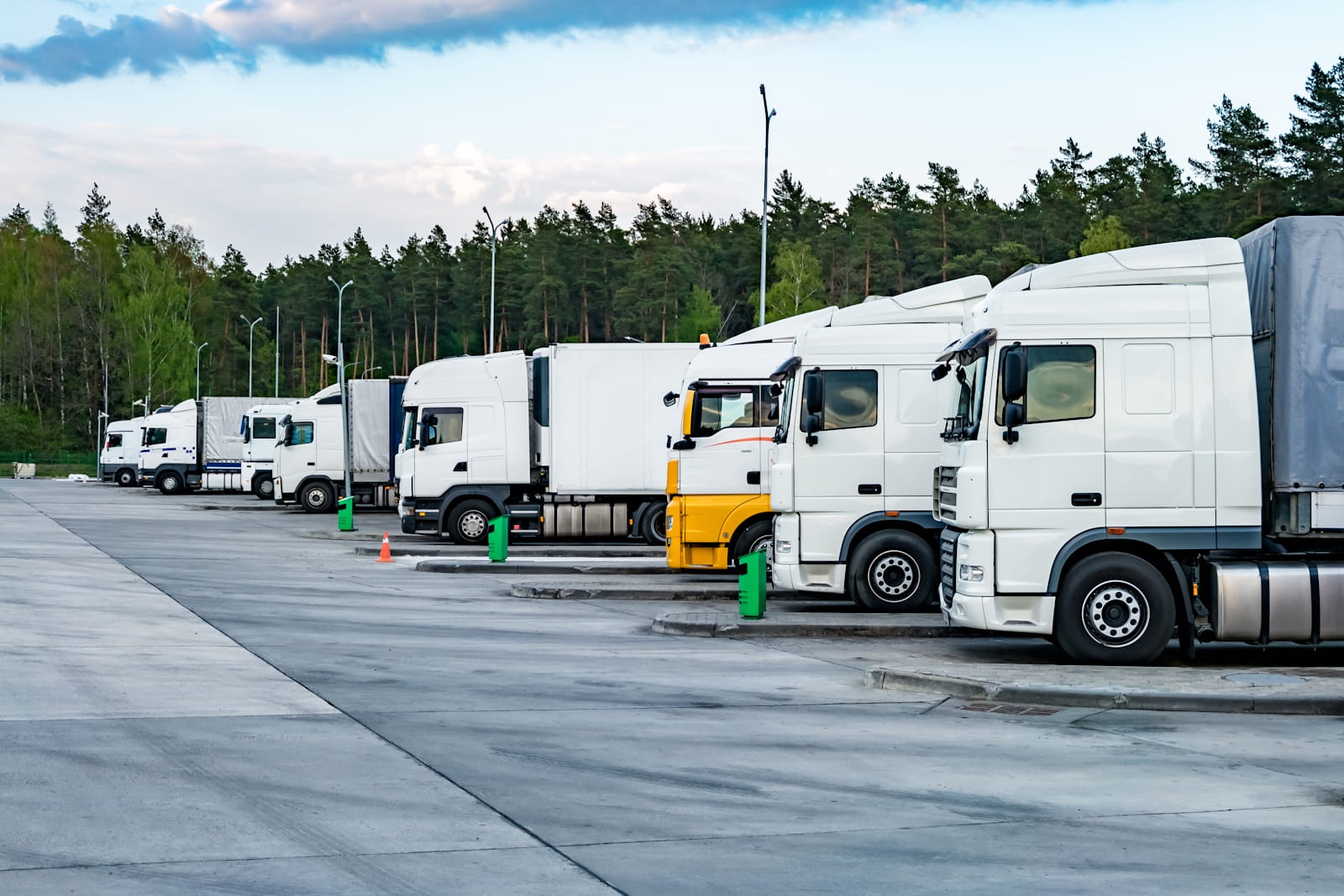
Essential Tail Lift Services for Fleet Vehicles
Reliable tail lift services help fleet operators keep vehicles productive, loading equipment safe and delivery schedules on track. A tail lift may complete dozens of lifting cycles during a busy shift, often at locations without loading bays or forklifts. Its condition can therefore affect driver safety, cargo handling and whether a delivery can be completed at all.
The scale of road freight activity shows why dependable loading equipment matters. Official transport figures show that heavy goods vehicles moved approximately 1.59 billion tonnes of goods in the UK during 2024, an increase of 2% from the previous year. Although fleet conditions differ between countries, the data demonstrates how heavily modern supply chains depend on commercial vehicles and their loading systems.
Tail Lift Selection and Fleet Assessments
Selecting a suitable tail lift requires more than comparing maximum lifting capacities. The vehicle make, model, chassis design, rear overhang, gross vehicle mass and axle limits must all be considered. The assessment should also account for the weight of the lift itself because every kilogram added to the vehicle reduces the payload available for revenue-generating cargo.
The cargo profile is equally important. Fleet managers should record the heaviest routine load, its dimensions, whether it is wheeled or palletised and how far its centre of gravity will sit from the vehicle. A platform rated for a particular maximum load may support less weight when the cargo sits farther away from the rear body. This relationship between capacity and load centre should guide the final specification.
Delivery conditions then determine the most practical lift design. Cantilever lifts provide a large platform for frequent ground-level loading. Slider and fold-away lifts preserve access for loading docks and forklifts, while column lifts suit certain bulky or wheeled goods. Completing a fleet assessment before purchase reduces the risk of installing equipment that is too heavy, too small or poorly suited to daily operations.
Vehicle-Specific Tail Lift Installation
Vehicle-specific installation is one of the most important tail lift services because the lift becomes part of the vehicle’s structural, hydraulic and electrical system. Before fitment begins, the installer should inspect the chassis, vehicle body, rear doors, mounting area and available ground clearance. The inspection should identify corrosion, damage or body modifications that may affect safe mounting.
The installation plan must also account for axle loading and weight distribution. A lift fitted behind the rear axle creates leverage and may place more weight on that axle than its physical mass suggests. Fleet operators should confirm that the vehicle remains within its legal and manufacturer-approved limits when the lift, fuel, passengers and normal cargo are included.
A complete installation should cover:
- Confirming vehicle and chassis compatibility
- Calculating remaining payload and axle loading
- Selecting the correct mounting system
- Positioning the hydraulic power unit securely
- Routing electrical cables away from heat and moving parts
- Installing controls where the operator has a clear view
- Checking platform clearance and ground approach angles
- Testing safety devices and emergency functions
- Completing functional and load-related checks
- Recording the lift model, capacity and installation details
After installation, the platform should move smoothly through its full operating range without striking the body, doors or road surface. The controls must produce predictable movement, while hydraulic hoses and wiring should remain protected throughout deployment and stowing.
The vehicle should only return to fleet service after commissioning and operator instruction have been completed. Installation records give maintenance teams a useful starting point for future inspections and help fleet managers confirm which model, parts and service procedures apply to each vehicle.
Preventive Tail Lift Maintenance
Preventive maintenance identifies developing faults before they cause a roadside breakdown. Service intervals should reflect the manufacturer’s guidance, lifting frequency, load type and operating environment. A tail lift working through several delivery cycles each day usually experiences more wear than equipment used only a few times each week.
The service should examine the entire system rather than simply confirm that the platform rises and lowers. Hydraulic cylinders, hoses, seals, fittings and fluid levels require inspection, along with electrical cables, controls, battery connections and safety switches. Technicians should also inspect pins, bushes, bearings, hinges, rollers, mounting plates and structural welds.
The financial case for prevention extends beyond repair costs. Official British statistics estimate that workplace injury and ill health arising from current working conditions cost £22.9 billion during the 2023/24 reporting period. The same statistics recorded 40.1 million working days lost to workplace injury and illness. While these figures cover many industries and hazards, they show the wider cost of failing to control equipment and handling risks.
Daily and Pre-Use Inspections
Drivers and operators should inspect the tail lift before its first use of the day. A short visual and functional check can reveal faults that developed during the previous shift or while the vehicle was travelling. These inspections supplement professional maintenance rather than replacing it.
Operators need a clear process and enough time to complete it properly. The check should take place with the vehicle secured on firm ground and the area around the platform kept free of pedestrians, traffic and loose objects. Official loading guidance warns that moving vehicles, heavy loads, lifting machinery and work at height can all cause serious injury or death during loading operations.
A daily inspection should include:
- Looking beneath the lift for hydraulic leaks
- Checking hoses for cracks, abrasion and bulges
- Inspecting cables, plugs and battery connections
- Looking for loose fasteners and mounting components
- Checking the platform for cracks, bending or corrosion
- Confirming that the anti-slip surface remains effective
- Testing the main controls and emergency stop
- Checking warning lights and audible alarms
- Testing roll-stops and other load restraints
- Listening for unusual noises during operation
- Confirming that the lift stows and locks securely
Any hydraulic leak, uncontrolled movement, structural crack or failed safety device should be treated as a serious defect. The operator should report it immediately and avoid using the lift until a competent technician has assessed the problem.
Fleet managers should record daily defects rather than depend on verbal reports. A simple inspection record can reveal recurring issues, show whether repairs were completed and prevent a faulty vehicle from being reassigned before the lift is safe.
Hydraulic System Services
The hydraulic system creates the force needed to raise, lower and sometimes tilt the platform. It normally includes a motor, pump, reservoir, control valves, cylinders, hoses and fittings. A fault in any of these components can reduce lifting capacity, cause erratic movement or leave the platform unable to stow.
Hydraulic servicing should include checking fluid quantity and condition, inspecting cylinders and testing the system for leakage. Hoses require particular attention because they face vibration, pressure changes, weather exposure and contact with road debris. Cracking, exposed reinforcement, swelling or persistent dampness around a fitting may indicate that replacement is necessary.
Cleanliness is also important. Contaminated hydraulic fluid can damage valves, seals and pumps, while an incorrect fluid may perform poorly at certain temperatures. Technicians should follow the relevant specification, clean the area before opening the system and remove trapped air after repairs. Prompt attention to small leaks is generally more practical than replacing a damaged pump or recovering a vehicle after a major hose failure.
Electrical and Control System Repairs
Tail lifts depend on the vehicle’s electrical supply to operate the hydraulic pump and control movement. Loose battery terminals, damaged cables, poor earth connections and worn switches can result in slow operation or complete failure. Electrical faults may also appear intermittently, making accurate diagnosis particularly important.
Tail lift services should test the battery condition and charging supply rather than checking voltage only when the vehicle is stationary. Repeated short trips and frequent lifting cycles can place substantial demand on the electrical system. Connections should remain clean and tight, while cables need protection from exhaust heat, sharp edges, water and moving suspension components.
Control equipment deserves the same attention as the power supply. Fixed panels, handheld controllers, platform switches, isolation devices and emergency stops should respond consistently. The operator should be able to see the platform and surrounding danger area while using the main controls. Unauthorised modifications or bypassed safety switches should be corrected because they can allow unexpected movement.
Tail Lift Safety and Load Testing
A tail lift’s maximum capacity does not apply equally across the entire platform. The farther the load centre moves away from the rear of the vehicle, the greater the leverage placed on the lifting system. Operators therefore need to understand the capacity chart fitted to the lift rather than treating the headline safe working load as permission to position cargo anywhere.
Periodic load testing provides controlled evidence of the lift’s performance under weight. It should form part of a wider examination of the platform, structural components, hydraulic system, mounting arrangement and safety devices. A lift that raises the test weight may still require repair if it displays excessive platform movement, leaks or structural distortion.
A safety and testing programme should include:
- Confirming the safe working load
- Checking that capacity markings remain legible
- Reviewing the permitted load-centre distance
- Inspecting the platform and supporting structure
- Examining mounting brackets and welds
- Testing hydraulic holding performance
- Checking emergency stops and manual lowering
- Testing roll-stops, rails and restraints
- Confirming stable movement under a controlled load
- Recording the test date, findings and corrective work
Official workplace statistics recorded 680,000 occupational injuries and 511,000 cases of work-related musculoskeletal disorders in Great Britain during 2024/25. These figures are not specific to tail lifts, but they reinforce the importance of mechanical handling, safe equipment and controlled loading procedures.
Testing should never be used to justify continued operation when obvious damage is present. Structural cracks, severe corrosion, hydraulic drift or unreliable controls require repair before the equipment returns to normal work.
Emergency Breakdown and Mobile Repair Services
Even well-maintained equipment can fail after accidental damage, extreme use or an unexpected component fault. A breakdown can leave cargo inaccessible, delay a delivery or prevent the platform from being secured for travel. Emergency tail lift services give the operator access to technical assistance when normal workshop scheduling is not practical.
The driver should move the vehicle to a safe location where possible and keep people away from the platform. The operator should not crawl beneath a raised lift, disconnect hydraulic components or force the platform closed. A qualified technician can assess whether an on-site repair is possible or whether the lift must be secured and transported for workshop work.
Useful information for the mobile technician includes:
- The vehicle registration and location
- The tail lift make and model
- The stated lifting capacity
- A clear description of the fault
- Whether the platform is raised, lowered or partly deployed
- Whether hydraulic fluid is leaking
- Whether the motor or pump can be heard
- Any warning lights or unusual noises
- Photographs of visible damage where safe to take them
- Details of any collision or overload before the failure
The technician may be able to replace a hose, switch, solenoid, cable or control component at the roadside. More serious structural, cylinder or mounting damage may require recovery to a workshop.
A fleet breakdown process should explain who the driver contacts, how the vehicle is secured and who approves further travel. Keeping lift details in the vehicle or fleet-management records makes it easier to identify suitable parts and prevents delays caused by incomplete information.
Tail Lift Parts and Component Replacement
Access to suitable replacement parts directly affects repair time. Common service items include hydraulic seals, hoses, pins, bushes, rollers, switches, cables, solenoids and control units. Pumps, cylinders, platform sections and mounting components may also require replacement after long-term wear or impact damage.
Parts must match the lift model and technical specification. A similar-looking hose, valve or electrical component may have a different pressure rating, voltage or operating function. Incorrect parts can produce unreliable movement, place extra strain on other components and compromise built-in safety features.
Fleet managers should consider parts support when purchasing new equipment. Standardising lift models across similar vehicles can simplify stockholding and technician training. However, mixed fleets remain manageable when accurate equipment records are kept and the service provider can identify parts using the model, serial number and installation details.
Refurbishment for Ageing Tail Lifts
Refurbishment may extend the useful life of a lift when its main structure remains safe and serviceable. The work can include replacing hoses, cylinders, pins, bushes, wiring, controls and platform surfaces. Corrosion protection and refinishing may also restore components that have suffered environmental exposure.
The decision should follow a detailed inspection rather than a simple comparison between repair and replacement prices. Technicians need to assess structural condition, corrosion depth, mounting integrity, parts availability and the number of recurring faults. A heavily damaged or obsolete lift may continue creating downtime even after substantial repairs.
Fleet managers should compare refurbishment costs with the expected remaining life of both the lift and vehicle. Refurbishing a sound lift on a vehicle scheduled to remain in service for several years may offer value. Investing heavily in equipment fitted to a vehicle approaching disposal may be less practical unless the lift can be transferred safely.
Operator Training and Safe Working Practices
Equipment condition alone cannot guarantee safe operation. Drivers need practical training on the specific lift fitted to their vehicle, including how to deploy it, position loads, use restraints and respond to a fault. New employees should receive training before operating independently, while existing staff need updates when procedures or equipment change.
Training should explain the lift’s rated capacity and load centre in straightforward terms. Operators must also understand crush zones, platform edges and the danger of allowing pedestrians into the work area. Workplace transport guidance recommends separating people from vehicle movement wherever reasonably practical and keeping loading areas clear of passing traffic and uninvolved pedestrians.
Training should cover:
- Completing pre-use inspections
- Securing the vehicle before deployment
- Checking ground conditions and available clearance
- Reading the safe working load information
- Positioning loads within the approved load centre
- Using roll-stops and cargo restraints
- Keeping feet clear of platform edges
- Preventing unauthorised people from approaching
- Operating controls from a safe position
- Using emergency stops and manual lowering
- Stowing and locking the platform before travel
- Reporting defects and removing unsafe equipment from use
Training should be followed by supervised practice. Watching a demonstration does not always show whether an operator can recognise an unstable load or respond calmly when the platform stops unexpectedly.
Refresher sessions can address patterns found in inspection and breakdown records. Repeated platform damage, overloaded lifts or failed stowing procedures may indicate that the fleet needs clearer instructions rather than another mechanical repair alone.
Tail Lift Service Records and Fleet Planning
Service records create a history for every lift in the fleet. Each file should identify the vehicle, lift model, serial number, capacity, installation date and service requirements. Maintenance visits, reported defects, parts replacements, tests and structural repairs should then be added as they occur.
Analysing these records helps managers identify recurring problems. Repeated hose failures may indicate poor routing, while frequent electrical faults may point to charging issues or water entering a connection. Patterns across similar vehicles can also show whether service intervals need adjustment or whether a particular operating practice is causing avoidable damage.
Records make it easier to schedule maintenance alongside vehicle servicing and quieter delivery periods. This reduces unplanned downtime and allows parts to be ordered before work begins. With official figures showing 342.6 billion vehicle miles travelled on British roads during 2025, up 1.9% from 2024, planned maintenance remains important in commercial transport environments where vehicles accumulate substantial use.
Where Can I Find Tail Lift Services for Fleet Vehicles?
At Dhollandia SA, we provide tail lift services that support equipment throughout its working life. We help customers assess their vehicles, choose suitable lifts and arrange professional fitment. Our product range includes cantilever, slider, fold-away, column, van and passenger lifts for light-duty, commercial and specialised applications.
Our support does not end after installation. We provide scheduled servicing, fault diagnosis, repairs, spare parts, warranty assistance and national breakdown support. We can also service and repair other tail lift brands, making our services practical for operators with mixed fleets.
Our tail lift services include:
- Vehicle and application assessments
- Product selection and specification
- Vehicle-specific configuration
- Professional installation
- Commissioning and operator guidance
- Preventive maintenance
- Hydraulic and electrical repairs
- Spare-parts supply
- Breakdown assistance
- Warranty support
- Multi-brand servicing and repairs
- Advice on replacement and refurbishment
We support fleet customers through branches in Johannesburg, Cape Town, Durban and Gqeberha. This footprint helps us respond to customers operating across several of South Africa’s major freight, distribution and commercial centres.
Our team has more than 20 years of combined local industry experience, supported by access to a broad international product range. We focus on matching the lift to the vehicle, cargo and delivery environment rather than recommending equipment according to lifting capacity alone.
Building a Complete Tail Lift Service Plan
A complete plan should combine operator checks, preventive servicing, formal examination and emergency support. The service frequency will depend on the number of daily lifting cycles, cargo weight, road conditions and operating environment. Coastal conditions, dust, water, temperature changes and repeated high loads may accelerate wear.
The plan should define responsibilities clearly. Drivers can complete daily visual checks, while trained technicians handle hydraulic, electrical, mechanical and structural work. Fleet managers should monitor records, schedule vehicles and ensure that defects receive attention before the lift returns to use.
The service plan should also change when operations change. New cargo types, heavier pallets, different delivery sites or higher daily volumes can make the original lift specification or maintenance interval unsuitable. Reviewing the plan at least annually and after major fleet changes helps keep the service arrangement aligned with real working conditions.
Partner with the Professionals
Professional tail lift services support safer handling, dependable deliveries and better vehicle availability. Correct selection and installation create the foundation, while inspections, maintenance, testing, training and prompt repairs protect the lift throughout its working life. A structured approach also helps fleet operators replace reactive repairs with planned decisions based on equipment condition and service history.
At Dhollandia SA, we support every stage of tail lift ownership, from initial vehicle assessment to ongoing maintenance and breakdown assistance. Get in touch with us to discuss your fleet, cargo and delivery requirements. We will help identify a practical lift solution and develop the tail lift services needed to keep your vehicles working safely and efficiently.