
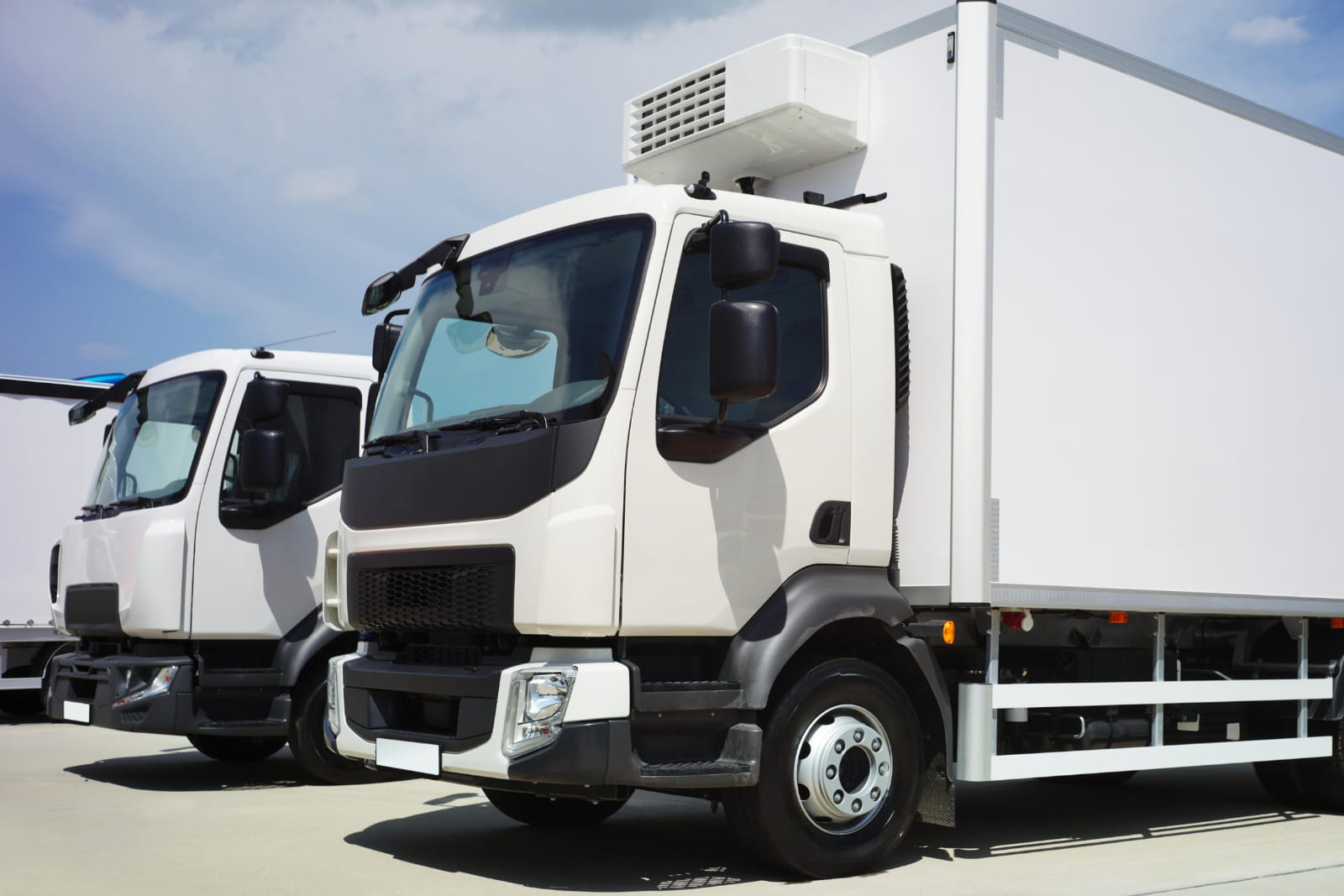
Refrigerated Trucks and Compatible Tail Lifts
Refrigerated trucks have different loading requirements from vehicles carrying ordinary dry freight. Low temperatures, condensation, frequent deliveries and strict cold-chain controls can place additional strain on tail lifts, which means fleet managers need to think beyond lifting capacity alone. The equipment must work reliably in demanding environments while helping operators move goods safely and efficiently.
The right tail lift should suit the vehicle, the heaviest loads being handled and the delivery environments the truck visits every day. Refrigerated transport can involve cargo temperatures ranging from around +12°C for some fresh produce to approximately -25°C for deep-frozen goods, so hydraulic performance, corrosion protection and platform design can all become important considerations.
Why Refrigerated Trucks Need the Right Tail Lifts
Cold-chain vehicles can complete a large number of lifting cycles every day. Regional distribution vehicles may perform around 30 cycles daily, while urban last-mile trucks can reach approximately 45. High-frequency retail replenishment vehicles can exceed 60 cycles per day, placing repeated stress on cylinders, platform mechanisms, bearings and electrical components.
Temperature management also matters. Chilled products may be transported at around 0°C to +4°C, while frozen goods are commonly kept between approximately -18°C and -12°C. Deep-frozen operations may reach temperatures between -25°C and -18°C, exposing lifting equipment to repeated transitions between cold cargo areas and warmer outside conditions.
Efficient loading can also support cold-chain performance. Every time the rear doors remain open, warmer outside air can enter the refrigerated body. A lift that is correctly matched to the cargo and delivery environment can help operators move roll cages, pallets and other goods faster, reducing avoidable delays during loading and unloading.
Match Tail-Lift Capacity to the Refrigerated Load
Choosing the correct lifting capacity starts with understanding the heaviest individual load the truck will handle. Fleet managers should not size equipment according to average deliveries because one unusually heavy pallet or roll cage may place significantly greater strain on the lift than ordinary daily loads.
The load centre also matters. A tail lift may carry its stated capacity only when the load is positioned within a specified distance from the rear of the vehicle. Moving a heavy pallet further out onto the platform increases leverage on the lifting mechanism, which is why both weight and load position should be considered.
- Around 500 kg may suit light refrigerated vans and smaller delivery operations.
- Around 1,000 kg can suit medium refrigerated vans and trucks.
- Around 1,500 kg may be appropriate for heavier food, dairy and FMCG distribution.
- Around 2,000 kg or more can support demanding palletised or high-capacity cold-chain operations.
- Dhollandia SA’s commercial range includes selected models extending up to approximately 3,000 kg.
Fleet managers should also allow some operating margin rather than consistently working at the lift’s maximum rated capacity. A modest capacity buffer can support future changes in load profiles and reduce the risk of routinely operating the equipment at its upper limit.
Dhollandia SA offers cantilever lifts ranging from approximately 500 kg to 3,000 kg, slider lifts from around 1,000 kg to 3,000 kg and selected fold-away models between approximately 750 kg and 1,500 kg. This range allows fleets to match capacity more closely to vehicle size and delivery requirements.
Choose Platform Materials for Cold-Chain Conditions
Platform material influences vehicle payload, corrosion resistance and long-term durability. Refrigerated trucks are frequently exposed to condensation, washing water, rain and temperature changes, so the platform needs to cope with moisture while remaining practical for everyday loading.
Aluminium can be useful where reducing equipment weight is important. Depending on platform design and dimensions, aluminium may save roughly 50 to 100 kg compared with an equivalent steel platform, potentially leaving more vehicle payload available for refrigerated cargo.
- Aluminium platforms provide good corrosion resistance and lower weight.
- Steel platforms offer strength for demanding or heavy-duty applications.
- Anti-slip surfaces help improve traction in wet or cold environments.
- Platform dimensions should accommodate the largest pallets, roll cages or trolleys used.
- Platform construction should be matched to daily loading frequency and cargo weight.
Steel remains a practical option for fleets prioritising strength and heavy-duty operation. Its additional weight may be worthwhile where large palletised loads and repeated commercial use are more important than maximising payload capacity.
Regardless of material, anti-slip performance should be treated as a priority. Condensation, rain, frost and routine cleaning can make loading surfaces slippery. A suitable platform should therefore provide enough grip for operators moving wheeled cages and palletised loads throughout the day.
Consider Low-Temperature Hydraulic Performance
Hydraulic fluid becomes more viscous as temperatures fall, which can affect how quickly and smoothly a lift operates. Refrigerated transport may expose equipment to temperatures well below freezing, especially where frozen and deep-frozen goods are handled.
Deep-frozen cargo can operate at approximately -25°C to -18°C, while some tail-lift systems are designed to maintain reliable operation at temperatures as low as around -25°C. This makes it important to ensure that hydraulic oils, seals and related components are specified for the lowest temperatures the vehicle is likely to encounter.
Cold-resistant seals are equally important because repeated transitions between chilled and warmer environments can contribute to material wear. Fleet managers should therefore evaluate the complete hydraulic system rather than assuming that a standard configuration will automatically perform well in refrigerated distribution.
Protect Tail Lifts Against Moisture and Corrosion
Condensation is one of the most persistent challenges in refrigerated transport. A truck that moves repeatedly between cold interiors and warmer outdoor environments can develop moisture around exposed cylinders, frames, electrical connections and articulation points.
Road spray and frequent washing add to this exposure. Refrigerated food vehicles may be cleaned regularly for hygiene purposes, which means corrosion protection should be considered part of the equipment specification rather than an optional extra.
- Hot-dip zinc or galvanised finishes can help protect exposed steel.
- Hard-chromed stainless-steel piston rods improve resistance to corrosion.
- Protected electrical wiring and control components reduce moisture exposure.
- Low-maintenance bearings can simplify routine upkeep.
- Grease nipples at important articulation points make scheduled lubrication easier.
Dhollandia uses protective finishes on many of its tail-lift components, including zinc-based treatments and hard-chromed stainless-steel piston rods. These features are particularly relevant where equipment is exposed to regular moisture, road contaminants and cleaning.
Corrosion prevention can also reduce future maintenance problems. Surface rust may begin as a cosmetic issue, but deterioration around joints, fasteners, hydraulic components or wiring can eventually influence lift reliability. Regular inspection should therefore accompany any corrosion-resistant design features.
Cantilever Tail Lifts for Frequent Refrigerated Deliveries
Cantilever lifts are often suited to vehicles that need quick and regular access to a lifting platform. Dhollandia SA’s cantilever range spans approximately 500 kg to 3,000 kg, providing options for lighter commercial vehicles as well as heavier refrigerated trucks.
These lifts can work particularly well for vehicles making repeated ground-level deliveries where no loading bay is available. A truck completing 30 to 60 lifting cycles in a busy day benefits from equipment that can be deployed quickly without complicated platform handling.
Fleet managers should still consider rear access requirements before choosing a cantilever design. If the truck frequently reverses onto loading bays or is forklift-loaded from behind, another configuration may offer greater flexibility because the cantilever platform remains associated with the rear opening.
Slider Tail Lifts for Flexible Loading
Slider lifts retract beneath the chassis when they are not needed, leaving the rear cargo opening unobstructed. Dhollandia SA’s slider range covers approximately 1,000 kg to 3,000 kg, making these lifts suitable for medium and heavy commercial vehicles.
This configuration is particularly useful where a refrigerated truck operates across several different loading environments. The vehicle may be loaded at a distribution centre using forklifts and then visit customer sites where no loading equipment is available.
Slider lifts also suit fleet operations that value flexibility. A 2,000 kg or 3,000 kg slider can provide substantial ground-level lifting capacity while remaining stored beneath the vehicle during dock loading, although chassis space and ground clearance must be checked before installation.
Fold-Away Tail Lifts for Food and FMCG Fleets
Fold-away lifts store beneath the vehicle when not required, helping keep the rear opening clear. Dhollandia SA offers selected fold-away models from approximately 750 kg to 1,500 kg, which can suit food and FMCG distribution vehicles.
These fleets often serve several delivery environments during one trip. A vehicle may leave a major distribution centre, visit supermarkets with loading docks and then continue to smaller stores or restaurants where deliveries need to be made directly at ground level.
The fold-away design gives operators access to their own lifting equipment without permanently blocking the rear of the truck. Because additional hinges and articulation points are involved, maintenance and lubrication become especially important for vehicles completing dozens of lift cycles every day.
Column Tail Lifts for Stable Load Handling
Column lifts move vertically along fixed tracks mounted at the rear of the vehicle. Dhollandia’s broader column-lift range extends from approximately 750 kg to 3,000 kg, while several South African models fall within the 1,000 kg to 1,500 kg range.
Their vertical movement can provide useful platform stability for palletised cargo and heavy roll cages. Refrigerated distribution operations carrying dairy products, meat, frozen food or other pallet-based freight may benefit from this controlled lifting movement.
Vehicle configuration must still be assessed carefully. Because the columns remain around the rear of the vehicle, fleets need to consider door operation, loading-dock compatibility and body dimensions before selecting this type of lift.
Think About Ground Clearance and Vehicle Compatibility
A lift can have the perfect weight rating and still be unsuitable for a particular truck. Slider and fold-away configurations require sufficient chassis space, and components such as fuel tanks, suspension systems, spare wheels and refrigerated equipment can restrict available mounting areas.
Ground clearance is especially important for trucks travelling through uneven yards or steep entrances. An under-mounted lift must remain adequately protected when the vehicle crosses ramps, kerbs or rough surfaces, particularly once a large platform and lifting frame are installed.
Fleet managers should therefore evaluate rear overhang, chassis dimensions, body height and operating terrain before purchasing. Lift capacity may range from 500 kg to 3,000 kg across common commercial models, but those figures mean little if the chosen configuration cannot be safely installed on the vehicle.
Maintain Tail Lifts for High-Cycle Refrigerated Operations
Maintenance requirements increase as daily lift usage rises. A regional truck performing around 30 cycles per day can easily complete thousands of lifting movements over several months, while a high-frequency vehicle completing more than 60 daily cycles will accumulate wear much faster.
Folding systems in demanding operations may require lubrication according to usage rather than simply waiting for a fixed annual service. Guidance for some high-use lifting equipment suggests checking lubrication around every 1,750 cycles or approximately 90 days under ordinary single-shift conditions.
Operators should also report leaks, abnormal platform movement, damaged controls, unusual noises and reduced lifting performance early. Preventative maintenance helps avoid situations where a mechanically sound refrigerated truck is unable to complete deliveries because its loading equipment has failed.
Who Sells Tail Lifts Compatible With Refrigerated Trucks?
At Dhollandia SA, we supply lifting equipment for commercial vehicles operating in a wide variety of sectors, including refrigerated food distribution and other cold-chain applications. Dhollandia has more than 50 years of experience manufacturing lifts for trucks, trailers and refrigerated vehicle units.
Our South African range includes cantilever, slider, fold-away and column lifts. Depending on the design selected, lifting capacities extend from approximately 500 kg to 3,000 kg, allowing us to match equipment more closely to vehicle size, load requirements and operating conditions.
- We supply cantilever, slider, fold-away and column lift configurations.
- We help customers assess vehicle and load requirements.
- We provide servicing and ongoing maintenance.
- We assist with repairs and warranty support.
- We offer a 24-hour national breakdown service.
- We operate from Johannesburg, Cape Town, Durban and Port Elizabeth.
We focus on more than simply supplying a lift. Refrigerated fleets depend on vehicle uptime, which means maintenance access, replacement components and technical support can be just as important as the initial equipment specification.
We can also help customers consider practical issues such as platform size, weight capacity, rear access, delivery frequency and chassis compatibility. By matching the lift to the way the vehicle actually works, we aim to support safer loading and more reliable long-term operation.
How to Choose Between Different Tail-Lift Types
Start by analysing the truck’s normal working day. A regional refrigerated vehicle may complete around 30 lifting cycles, an urban distribution truck around 45 and a high-frequency retail vehicle more than 60, so operating intensity should influence the choice.
A cantilever lift may work well for repeated ground-level deliveries, while a slider or fold-away lift can be more practical where loading docks and forklifts are used regularly. Column lifts may suit fleets that need stable vertical movement for heavier palletised goods.
Capacity, vehicle geometry and cargo temperatures should all be assessed together. A fleet transporting goods at -18°C or colder has different hydraulic and corrosion considerations from one carrying fresh produce at +4°C to +12°C, even when the trucks handle similar load weights.
Get The Boost You Need To Stay Cool
Choosing suitable tail lifts for refrigerated trucks requires careful attention to capacity, platform construction, corrosion resistance, low-temperature performance and the way each vehicle is loaded throughout the day. Cold-chain fleets may complete dozens of lifting cycles daily while working with cargo temperatures ranging from above 0°C to around -25°C, so equipment needs to be matched to demanding real-world conditions.
At Dhollandia SA, we can help you compare cantilever, slider, fold-away and column configurations and select tail lifts that suit your refrigerated vehicles, loads and delivery environment. Get in touch with us to discuss your fleet requirements, and we can help you identify a practical lifting solution backed by local servicing, maintenance and support.
FAQs About Tail Lift Compatibility
The best tail lift depends on the truck’s size, load weight and delivery environment. Cantilever lifts suit frequent ground-level deliveries, while slider and fold-away lifts are useful when the rear opening needs to remain clear for loading docks or forklifts. Column lifts can provide stable vertical movement for heavier palletised cargo. Refrigerated fleets should also consider corrosion resistance, hydraulic performance at low temperatures and platform grip. A suitable lift should match the heaviest expected load, provide enough platform space and fit the vehicle’s chassis without reducing ground clearance or interfering with other components underneath the truck.
Yes, but the lift must be specified for the temperatures it is expected to encounter. Refrigerated transport can involve chilled environments around 0°C to +4°C and deep-frozen conditions approaching -25°C. Cold temperatures can increase hydraulic fluid viscosity and affect seals, cylinders and electrical components if they are not suitable for low-temperature use. Fleet managers should confirm the operating temperature range of the hydraulic system and associated components before installation. Regular maintenance is also important because repeated movement between cold cargo spaces and warmer outdoor air can create condensation, which increases the risk of corrosion and component wear over time.
Tail-lift capacity should be based on the heaviest individual load the vehicle will handle, not the average load. Light refrigerated vans may only require around 500 kg of capacity, while medium trucks may need approximately 1,000 kg. Larger food, dairy or frozen-goods vehicles can require 1,500 kg, 2,000 kg or more. Load centre is equally important because weight positioned further from the vehicle creates additional leverage on the lifting mechanism. Fleet managers should avoid operating continuously at maximum capacity and should allow a sensible safety margin when future load requirements or heavier palletised deliveries are likely.
Both materials can work well, but the right choice depends on how the truck is used. Aluminium platforms are lighter and naturally resistant to corrosion, which can be valuable in refrigerated transport where condensation and frequent washing are common. Depending on the design, aluminium can also save approximately 50 to 100 kg compared with a similar steel platform. Steel platforms are heavier but can provide excellent strength for demanding, high-load applications. Whichever material is chosen, the platform should have a secure anti-slip surface and enough space for the largest pallets, roll cages or trolleys handled during daily deliveries.
Maintenance frequency should reflect how intensively the lift is used. A regional refrigerated vehicle may complete around 30 lift cycles per day, while high-frequency retail trucks can exceed 60 cycles daily. This level of use can quickly create wear on cylinders, bearings, hinges, wiring and platform mechanisms. Some high-use folding systems may require lubrication around every 1,750 cycles or approximately 90 days under ordinary operating conditions. Operators should also inspect equipment regularly for hydraulic leaks, corrosion, damaged controls and unusual movement. Preventative maintenance helps reduce unexpected breakdowns and keeps refrigerated vehicles productive throughout demanding delivery schedules.