
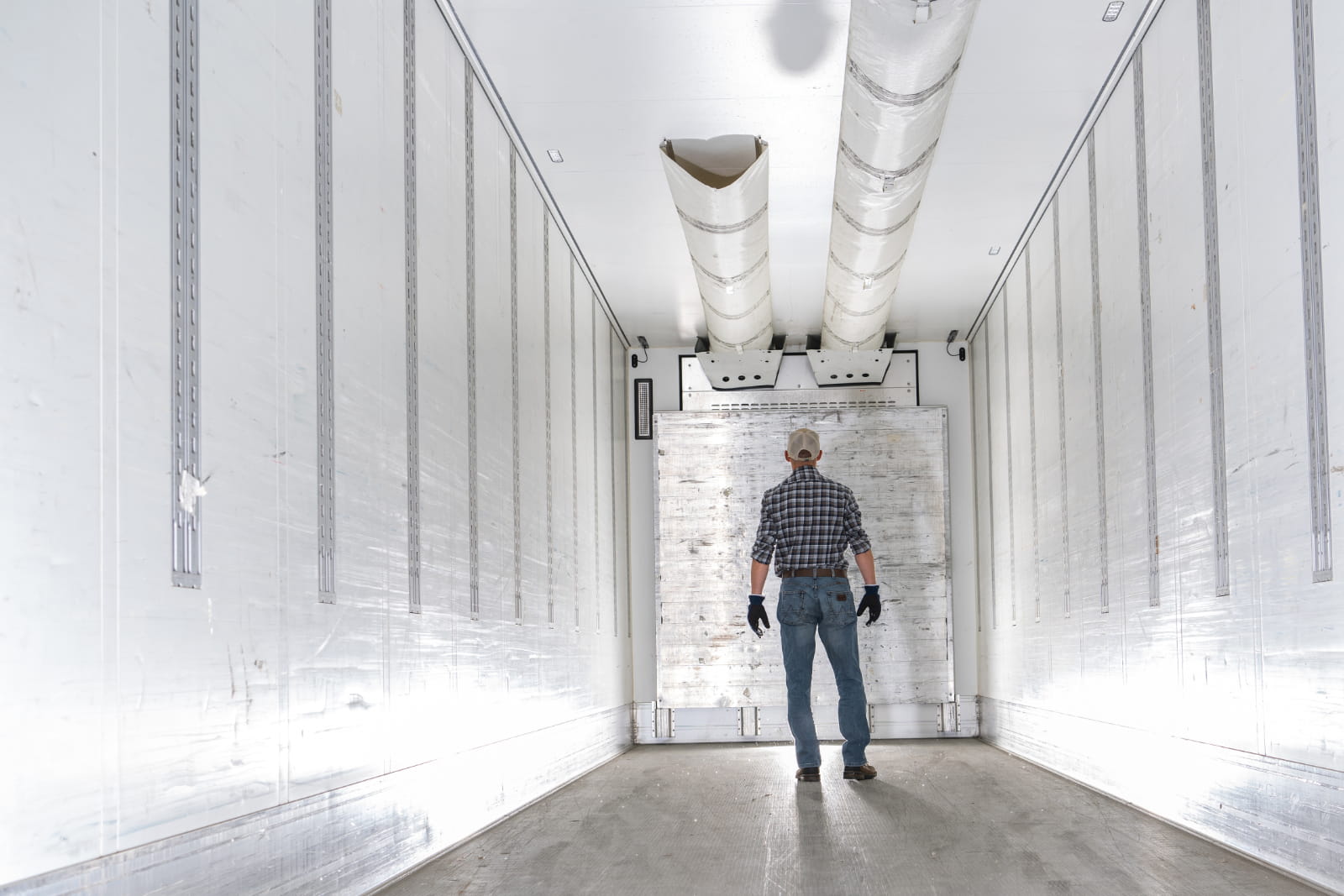
A Guide to Tail Lifts for Refrigerated Trucks
Refrigerated trucks play an important role in transporting temperature-sensitive products, including fresh produce, frozen foods, dairy products and pharmaceuticals. However, loading and unloading these vehicles can be challenging, particularly when deliveries take place without dedicated loading docks. Tail lifts provide a practical solution by allowing operators to move heavy cargo safely between ground level and the vehicle’s loading platform.
Choosing the right tail lifts for refrigerated trucks involves more than selecting a suitable lifting capacity. Operators must also consider vehicle compatibility, insulation, loading frequency and delivery conditions. With different hydraulic lifting systems available, understanding their advantages can help businesses improve efficiency while protecting temperature-sensitive cargo. This guide explores the main options, their benefits and the factors businesses should consider before installation.
Why Are Tail Lifts Important for Refrigerated Trucks?
Refrigerated trucks regularly transport heavy products that require careful handling to maintain their quality. Palletised food products, insulated containers and temperature-sensitive medical supplies can be difficult to move manually, particularly when there is a substantial height difference between the ground and the cargo floor. Tail lifts overcome this challenge by providing a hydraulic platform that raises and lowers goods during deliveries.
Workplace safety statistics reinforce the importance of reducing physically demanding tasks. In Great Britain, approximately 511,000 workers experienced work-related musculoskeletal disorders during 2024/25, resulting in an estimated 7.1 million lost working days. Although these figures cover multiple industries, they highlight the importance of mechanical handling equipment in workplaces involving repetitive lifting.
Tail lifts support refrigerated transport operations by:
- Reducing manual handling: Hydraulic lifting decreases the need for employees to lift heavy goods between ground level and the truck.
- Improving delivery efficiency: Operators can move pallets, roll cages and bulky products with less physical effort.
- Supporting cold-chain management: More organised loading procedures can help reduce unnecessary cargo door-opening time.
- Increasing delivery flexibility: Vehicles can complete deliveries at locations without forklifts or loading docks.
- Improving cargo protection: Controlled platform movement helps reduce the risk of products being dropped or damaged.
The ability to maintain organised loading procedures is especially important when transporting perishable goods. South Africa’s 2025 regulations governing the export of perishable products include requirements to minimise temperature and humidity changes during relevant loading and transportation activities. Efficient cargo handling supports this objective by limiting unnecessary delays during loading.
Businesses that equip refrigerated vehicles with suitable tail lifts can therefore improve more than their loading capacity. They can establish safer handling procedures, accommodate different delivery locations and support more reliable distribution. However, these benefits depend on choosing equipment compatible with the vehicle and ensuring employees follow appropriate operating procedures.
What Types of Tail Lifts Are Suitable for Refrigerated Trucks?
Different refrigerated trucks require different lifting systems depending on their cargo, vehicle dimensions and delivery environments. Some businesses need unobstructed access to loading docks, while others prioritise larger platforms for substantial palletised loads. Dhollandia SA offers several configurations, with locally listed commercial models covering lifting capacities from 500 kg to 3,000 kg across its main product categories.
Choosing between these systems requires an understanding of how each platform moves and where it sits when not in use. Foldaway and slider models retract beneath the chassis, while cantilever and column systems use different rear-mounted lifting arrangements. These differences influence loading access, ground clearance and compatibility with insulated vehicle bodies.
The following options are particularly relevant to refrigerated transport operations.
Foldaway Tail Lifts
Foldaway tail lifts are suitable for refrigerated distribution vehicles that operate between warehouses, supermarkets and smaller delivery locations. Their platforms fold beneath the vehicle chassis when not in use, leaving the rear doors accessible. This arrangement allows operators to use loading docks and forklifts without having to reposition a permanently rear-mounted platform.
Dhollandia’s listed foldaway models offer lifting capacities between 750 kg and 2,000 kg. For example, the DH-RP.10 handles approximately 750 to 1,000 kg, while the DH-RM.20 offers capacities of 1,500 to 2,000 kg. These options accommodate different delivery requirements, from smaller food distribution vehicles to trucks carrying heavier palletised products.
Foldaway models can also incorporate mounting arrangements suitable for refrigerated vehicle bodies. However, operators must assess chassis clearance, platform dimensions and available installation space before selecting a model. These considerations are particularly important for refrigerated trucks that operate on uneven delivery surfaces or steep loading ramps.
Column Tail Lifts
Column tail lifts operate along vertical guide rails, allowing the platform to travel between the ground and the vehicle’s cargo floor. Their controlled vertical movement makes them suitable for handling roll cages, pallets and other substantial loads. These systems can also accommodate additional safety equipment depending on the application.
Dhollandia’s wider column lift range covers approximately 750 kg to 3,000 kg, while locally featured models such as the DH-VB.15.E1 and DH-VO.15.K1 offer capacities between 1,000 kg and 1,500 kg. Available platform materials include aluminium and steel, allowing businesses to balance equipment weight with durability requirements.
For refrigerated vehicles, column lifts may be useful where consistent vertical cargo movement is a priority. However, the positioning of the guide rails and rear-mounted components must be compatible with insulated bodywork and cargo door arrangements. Businesses should confirm these requirements before installation to avoid unnecessary modifications.
Cantilever Tail Lifts
Cantilever tail lifts use hydraulically operated platforms that lift, lower and tilt to accommodate different loading conditions. Dhollandia’s cantilever systems incorporate four hydraulic cylinders, with two dedicated to lifting and two responsible for platform tilting. This arrangement supports controlled movement when transporting substantial loads.
The company’s listed cantilever models range from 500 kg to 3,000 kg. The heavy-duty DH-LM.30 can lift up to 3,000 kg and accommodates platforms approximately 3,000 mm long, with longer folding configurations available. These specifications make it relevant to demanding food distribution operations involving heavier or larger cargo.
Cantilever tail lifts can provide a practical solution for refrigerated trucks that require a readily available rear lifting platform. However, businesses must consider the relationship between the platform, rear door seals and insulated bodywork. The installation should preserve the vehicle’s structural integrity while allowing operators to open and close the cargo compartment correctly.
Slider Tail Lifts
Slider tail lifts retract horizontally beneath the vehicle body, leaving the rear loading area unobstructed when stored. This makes them especially useful for refrigerated vehicles that frequently operate at warehouses, distribution centres and loading docks. Operators can use forklift-assisted loading at one destination and hydraulic ground-level lifting at another.
Dhollandia’s featured slider models offer capacities ranging from 1,000 kg to 3,000 kg. The DH-SM.15 accommodates loads of approximately 1,000 to 1,500 kg, while the DH-SM.30 reaches 3,000 kg. These models use four-cylinder hydraulic systems and include features such as automatic ground-level tilting and durable platform construction.
Slider lifts are particularly suitable for larger refrigerated vehicles carrying substantial palletised loads. However, the retractable mechanism requires sufficient underbody space and ground clearance. Operators must also consider rear overhang, chassis configuration and any existing refrigeration-related equipment mounted beneath the vehicle.
How Do Hydraulic Tail Lifts Work on Refrigerated Trucks?
Hydraulic tail lifts typically use an electric motor to power a hydraulic pump, which generates the fluid pressure needed to operate lifting cylinders. These cylinders transfer force through the mechanical lifting structure, allowing the platform to move between ground level and the vehicle’s cargo floor. Control switches regulate platform movement, while hydraulic valves manage fluid flow and pressure.
Different configurations use different mechanical arrangements. For example, Dhollandia’s cantilever and slider systems can incorporate four hydraulic cylinders, with two controlling vertical movement and two managing platform tilt. Certain foldaway configurations use a centrally mounted lifting cylinder, showing how mechanical arrangements vary between models. Electrical power units commonly operate on 12V or 24V vehicle electrical systems, depending on the equipment.
Reliable operation depends on the condition of the hydraulic pump, cylinders, hoses, electrical connections and safety controls. Refrigerated trucks may expose these components to moisture, condensation and frequent cleaning, making corrosion protection particularly important. Regular inspections and appropriate servicing help maintain controlled platform movement and reduce the likelihood of unexpected equipment failures.
What Are the Benefits of Installing Tail Lifts on Refrigerated Trucks?
Installing tail lifts can help refrigerated transport operators improve loading efficiency while reducing physically demanding handling tasks. Businesses delivering fresh foods, frozen products and pharmaceutical supplies often work across different loading environments, making dependable lifting equipment particularly useful. A suitable platform allows operators to handle heavy goods without relying entirely on additional loading machinery.
The potential safety benefits are especially relevant to transport workers. British workplace safety data for 2022/23 to 2024/25 estimated approximately 2,000 work-related musculoskeletal disorder cases per 100,000 workers in transportation and storage, compared with approximately 1,300 across all industries. These figures reinforce the importance of reducing unnecessary physical strain during commercial loading operations.
The main benefits include:
- Improved loading efficiency: Operators can transfer substantial loads between ground level and the truck bed.
- Reduced physical strain: Hydraulic platforms limit repetitive lifting and manual carrying.
- Greater delivery flexibility: Trucks can serve locations without dedicated loading infrastructure.
- Better cargo handling: Stable platforms help operators manage bulky or delicate products.
- More organised cold-chain operations: Efficient loading can help minimise unnecessary exposure to outside temperatures.
- Reduced dependence on additional machinery: Appropriate tail lifts allow vehicles to complete more deliveries independently.
For refrigerated fleets, these advantages can contribute to more predictable delivery schedules. A vehicle equipped with suitable lifting equipment can accommodate different customer locations without requiring the same loading facilities at every destination. This flexibility is particularly valuable for food distribution businesses delivering to supermarkets, restaurants and smaller retail outlets.
However, tail lifts do not independently maintain cargo temperatures. Their contribution comes from improving loading procedures and reducing unnecessary handling delays. Businesses must still maintain appropriate refrigeration settings, temperature monitoring and door management practices to protect perishable goods throughout transportation.
What Should Businesses Consider When Choosing Tail Lifts for Refrigerated Trucks?
The first consideration is lifting capacity. Businesses should calculate the maximum weight placed on the platform, including products, pallets, roll cages and handling equipment. They must also consider load distribution because the position of the cargo affects the forces applied to the lifting mechanism. Commercial tail lifts with capacities between 500 kg and 3,000 kg offer different options, but the correct choice depends on the vehicle’s actual requirements.
Vehicle compatibility is equally important. Refrigerated trucks have insulated walls, specialised door seals and body structures that require careful consideration during installation. Businesses should assess chassis dimensions, rear overhang, platform width and available ground clearance. Foldaway models, for example, can accommodate commercial vehicles and trailers with gross vehicle weights of up to 26 tonnes in certain configurations, although individual model specifications determine actual compatibility.
Delivery conditions should also influence the final decision. Vehicles that frequently reverse into loading docks may benefit from foldaway or slider systems, while operations involving substantial rear-platform loading may require cantilever or column lifts. Evaluating cargo dimensions, lifting frequency and future fleet requirements helps businesses select equipment that remains practical throughout its operating life.
How Should Tail Lifts on Refrigerated Trucks Be Maintained?
Regular maintenance helps refrigerated transport operators prevent unexpected breakdowns and maintain safe loading conditions. Operators should inspect hydraulic hoses, cylinders and connections for leaks, damage or unusual wear. Electrical controls, platform surfaces, hinges and locking mechanisms also require attention. Manufacturers commonly incorporate low-maintenance bearings and accessible grease nipples to simplify routine servicing.
Corrosion protection is particularly important because refrigerated vehicles may operate in damp environments or undergo frequent cleaning. Dhollandia’s commercial lifts include corrosion-resistant features such as hard-chromed stainless steel piston rods and hot-dip zinc-plated frames. Certain models also incorporate protective cylinder gaiters, helping reduce exposure to dirt and moisture. These features improve durability but do not eliminate the need for inspections.
Professional servicing should follow the manufacturer’s recommended intervals and reflect the equipment’s operating conditions. Technicians should assess hydraulic performance, lubricate moving components, inspect mounting structures and test safety systems. Any lift showing hydraulic leaks, uncontrolled movement or defective controls should be removed from service until the problem has been properly assessed and repaired.
Can Tail Lifts Affect the Insulation and Temperature Control of Refrigerated Trucks?
Poorly planned installations can compromise refrigerated vehicle performance if mounting work damages insulation, door seals or structural components. Refrigerated truck bodies are designed to minimise heat transfer, making the integrity of insulated panels particularly important. South Africa’s 2025 export regulations for perishable products include provisions requiring temperature and humidity fluctuations to be minimised during relevant loading and transportation processes.
Choosing suitable mounting equipment can help protect the vehicle’s insulated structure. Dhollandia offers additional mounting options for refrigerated truck bodies, including bolt-on mounting arrangements for certain foldaway systems. These options can simplify installation, although the actual mounting method must be assessed against the vehicle’s structural requirements and insulation configuration.
Platform positioning can also influence how effectively operators manage refrigerated cargo doors. Foldaway and slider systems preserve unobstructed rear access when stored, making them useful for deliveries involving loading docks. However, the lifting equipment must still allow door seals to function correctly, and employees should follow established procedures to minimise unnecessary exposure to outside temperatures.
Who Sells Tail Lifts Compatible With Refrigerated Trucks?
At Dhollandia SA, we supply hydraulic tail lifts for commercial vehicles, including refrigerated trucks used in food distribution, pharmaceutical transportation and other temperature-sensitive delivery operations. As an authorised Dhollandia dealer in South Africa, we provide access to cantilever, foldaway, slider and column lifting systems. Our range includes commercial models with capacities from 500 kg to 3,000 kg, allowing us to recommend suitable configurations for different vehicle and cargo requirements.
We also understand the importance of protecting refrigerated vehicle bodies during installation. Our team helps businesses evaluate loading requirements, chassis configurations, platform dimensions and insulation considerations before selecting equipment. With more than 20 years of combined industry experience among our personnel, we focus on providing dependable solutions that accommodate daily operating conditions.
Our services include:
- Tail lift supply: We offer different hydraulic lifting configurations for commercial vehicles and refrigerated transport applications.
- Professional installation: We assess vehicle compatibility and suitable mounting arrangements.
- Maintenance and repairs: We provide technical support to maintain safe and reliable lifting equipment.
- Spare parts: We supply replacement components to support ongoing equipment operation.
- Breakdown assistance: We offer 24-hour breakdown support to help businesses address unexpected equipment failures.
- National service coverage: We operate through branches in Johannesburg, Cape Town, Durban and Port Elizabeth.
Our four-branch presence allows us to support commercial vehicle operators across South Africa. We also provide maintenance and repair services for other manufacturers’ tail lifts, helping businesses manage different equipment configurations within their fleets. Our focus extends beyond initial installation to maintaining equipment reliability throughout its working life.
By combining suitable lifting equipment with ongoing technical support, we help refrigerated transport businesses improve loading operations and reduce avoidable downtime. Whether a fleet requires a foldaway platform for mixed deliveries or a heavy-duty slider system for palletised freight, we can help identify equipment that suits the vehicle and its operating requirements.
How Can Businesses Improve Safety When Operating Refrigerated Truck Tail Lifts?
Safe operation begins with proper training and clearly established loading procedures. Operators should inspect tail lifts before use, confirm that controls function correctly and check that the platform can accommodate the intended load. The equipment’s rated lifting capacity must never be exceeded. For example, a lift rated at 1,000 kg must accommodate the combined weight of cargo and any handling equipment, while also meeting the manufacturer’s load-centre requirements.
Businesses should also consider the broader risks associated with manual handling. British workplace safety figures recorded approximately 173,000 new cases of work-related musculoskeletal disorders in 2024/25. Although these cases were not all associated with loading operations, they demonstrate why employers should prioritise suitable mechanical handling equipment and safe working procedures.
Operators must ensure the vehicle is securely parked, the surrounding area is clear and cargo remains stable during platform movement. Appropriate safety features, including anti-slip surfaces, roll stops and emergency controls, can provide additional protection where fitted. Regular operator training, preventative maintenance and consistent loading procedures help businesses protect employees, refrigerated cargo and commercial vehicles.
Choose the Right Tail Lifts With Dhollandia SA
Selecting suitable tail lifts for refrigerated trucks can improve loading efficiency, reduce manual handling and support more flexible deliveries. Foldaway, column, cantilever and slider systems offer different advantages, making it important to consider lifting capacity, vehicle compatibility and refrigeration requirements before making a decision. Professional installation and regular maintenance are equally important for long-term equipment reliability.
At Dhollandia SA, we help businesses find tail lifts suited to their refrigerated vehicles and daily operating requirements. From equipment selection and installation to maintenance and repairs, we provide practical support to keep commercial fleets operating efficiently. Contact us today to discuss our tail lifts for refrigerated trucks and discover how we can help improve loading safety, reliability and efficiency.