
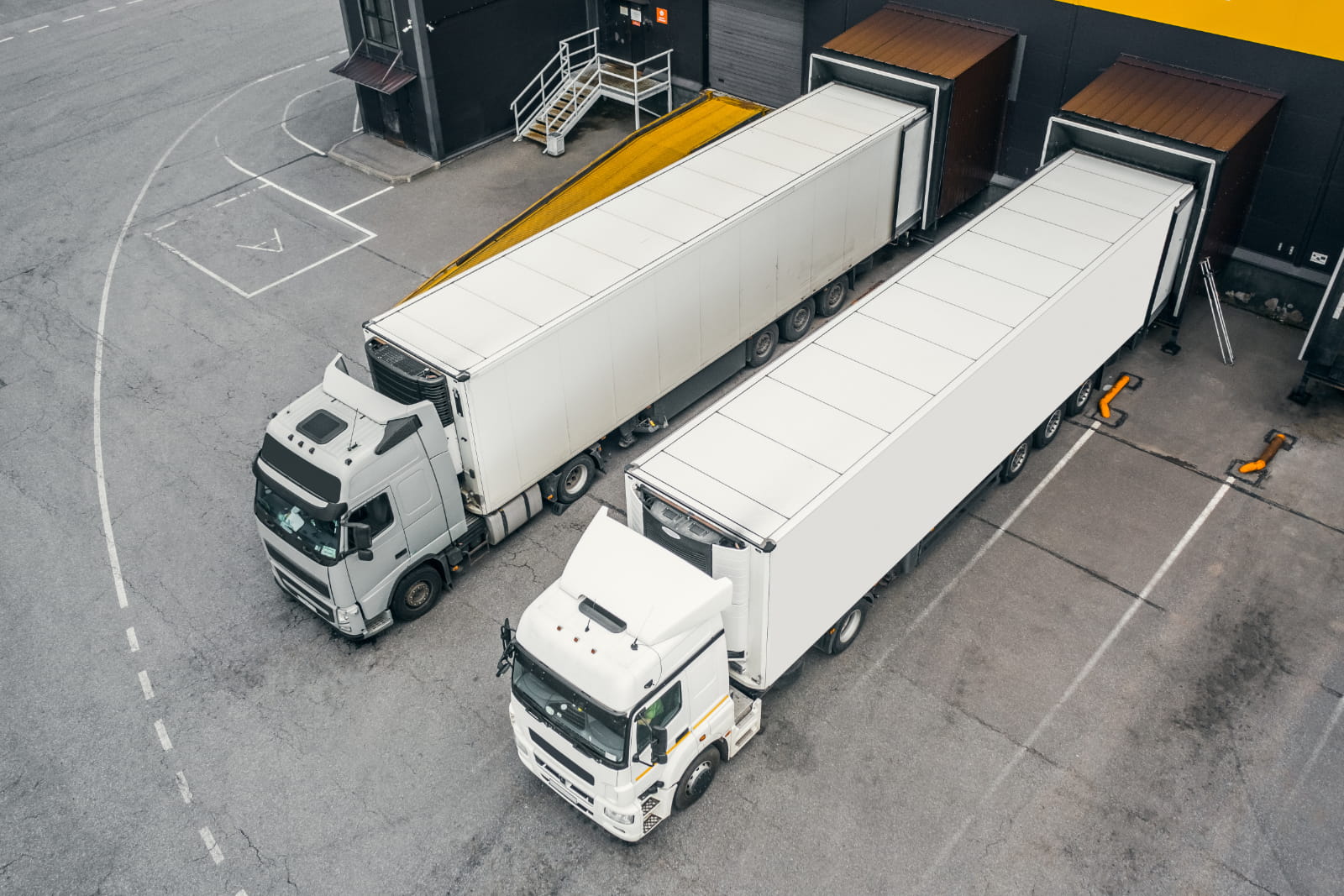
How Does A Loading Dock Affect the Choice of Truck Tail Lift?
Choosing the right truck tail lift involves more than checking its lifting capacity. Loading dock height plays an important role in determining whether equipment will work safely and efficiently with a commercial vehicle. When trucks regularly visit warehouses, distribution centres and delivery locations with different loading heights, unsuitable equipment can create unnecessary delays, restrict access and complicate goods handling.
A suitable tail lift makes loading and unloading easier, particularly at locations without dedicated loading infrastructure. However, not every design works equally well with conventional loading docks. Understanding how dock heights, vehicle dimensions and lifting mechanisms interact helps fleet managers select equipment that supports daily operations without compromising safety or productivity.
Why Does Loading Dock Height Matter When Choosing a Truck Tail Lift?
Loading docks are designed to make transferring goods between warehouses and delivery vehicles easier, but their heights are not always consistent. In North America, conventional loading docks typically measure approximately 1.22 to 1.32 metres above ground level. However, this is not a universal standard for South African facilities, where dock heights depend on building design, vehicle specifications and operational requirements.
Commercial vehicle cargo-floor heights also vary. For example, box trucks may have loading heights ranging from approximately 1.02 to 1.27 metres, depending on their configuration. When a truck’s cargo floor sits above or below a loading dock, transferring goods becomes more difficult. The difference may require a suitable dock leveller, adjusted loading procedures or alternative equipment to ensure safe access.
The design of a truck tail lift can either simplify or complicate these operations. Some lifting platforms remain positioned behind the vehicle when stored, while others fold or retract beneath the chassis. A rear-mounted platform may interfere with dock access, especially when the vehicle needs to reverse close to a warehouse entrance. Fleet operators should therefore consider how their chosen equipment functions both during operation and when stored.
How Can You Check Whether a Truck Tail Lift Will Fit a Loading Dock?
Checking compatibility starts with measuring the truck’s cargo-floor height and comparing it with the loading docks used most frequently. These measurements should reflect normal operating conditions because suspension movement and changes in cargo weight can affect the vehicle’s height. Even relatively small differences between the loading surfaces may create difficulties when moving heavy pallets or wheeled goods.
Rear clearance is equally important. A truck tail lift must not obstruct warehouse doors, docking equipment or vehicle access when stored. The position of rear bumpers, platform hinges and mounting brackets can affect how closely the vehicle approaches a dock. Checking these dimensions before installation helps businesses avoid expensive modifications or operational restrictions.
Fleet managers should assess the following factors:
- Cargo-floor height: Measure the vehicle’s loading height under typical operating conditions.
- Loading dock height: Record the heights of the facilities visited most frequently.
- Rear clearance: Check whether the stored platform interferes with dock access.
- Dock compatibility: Confirm that existing dock levellers can accommodate the vehicle’s height.
- Vehicle configuration: Inspect chassis space, rear overhang and mounting requirements.
- Delivery locations: Identify sites that require ground-level unloading instead of dock access.
These checks are particularly important for vehicles travelling between different warehouses and customer premises. A truck may align perfectly with one loading dock but encounter clearance problems at another. Recording these differences across regular delivery routes helps identify whether a conventional lifting platform will provide sufficient flexibility or whether a retractable arrangement is preferable.
Where several trucks operate across the same distribution network, standardising these assessments can improve equipment selection. Fleet managers can compare vehicle measurements against the facilities they serve and identify recurring compatibility problems. This approach reduces the risk of purchasing equipment that works well at one location but creates difficulties elsewhere.
Which Truck Tail Lift Type Works Best With Different Loading Conditions?
Different lifting mechanisms suit different operating environments. Cantilever lifts are commonly used for ground-level deliveries, while slider and fold-away lifts are particularly useful when vehicles regularly access conventional loading docks. Column lifts provide another option for specialised cargo-handling requirements. Each configuration has advantages, but the most suitable choice depends on the vehicle’s loading conditions.
Lifting capacities also differ between configurations. Commercial cantilever and slider lifts are available with capacities reaching 3,000 kg, while selected fold-away designs support loads of up to 2,000 kg. However, choosing the highest available capacity does not automatically provide the best solution. Platform dimensions, installation requirements, available chassis space and loading frequency must also be considered.
A fleet delivering exclusively to ground-level locations may prioritise independent unloading capabilities. Meanwhile, vehicles moving between warehouses and customer premises may benefit from platforms that retract beneath the chassis. Comparing these requirements against the available lifting configurations makes it easier to identify equipment that balances operational flexibility, safety and handling efficiency.
Cantilever Tail Lifts for Ground-Level Deliveries
Cantilever tail lifts use hydraulic lifting and tilting mechanisms to transfer goods between a truck’s cargo floor and ground level. Their platforms typically fold upright behind the vehicle when not in use. These lifts are suitable for general commercial deliveries, including palletised goods, machinery and other heavy items delivered to premises without dedicated loading docks.
Commercial cantilever lift ranges include capacities from 500 kg to 3,000 kg. For example, the DH-LM.20 range covers 1,500 to 2,000 kg, while the DH-LM.30 supports applications requiring capacities of up to 3,000 kg. This makes cantilever lifts suitable for businesses handling different cargo weights, provided the equipment is correctly matched to vehicle specifications and loading requirements.
However, their rear-mounted design can create challenges when accessing conventional loading docks. The folded platform may restrict access to the cargo entrance or prevent the vehicle from approaching certain docking arrangements. For operations involving frequent warehouse deliveries, fleet managers should confirm compatibility before installation. Cantilever lifts are generally most practical where ground-level unloading is the primary requirement.
Slider Tail Lifts for Frequent Loading Dock Access
Slider tail lifts retract beneath the vehicle chassis when not in use, leaving the rear cargo entrance accessible. This arrangement offers an important advantage for trucks that frequently visit warehouses and distribution centres. Instead of positioning a folded platform behind the vehicle, the lifting mechanism can be stored beneath the chassis, provided adequate clearance is available.
Commercial slider lift ranges include capacities from 1,000 kg to 3,000 kg. The DH-SM.15 covers 1,000 to 1,500 kg, while the DH-SM.30 provides options reaching 3,000 kg. These capacities make slider lifts suitable for heavier distribution applications, including palletised freight and industrial goods. Their retractable design also allows vehicles to retain ground-level unloading capabilities when visiting locations without suitable docks.
Installation requirements remain important because the sliding mechanism needs sufficient space beneath the chassis. Suspension components, vehicle dimensions, ground clearance and rear overhang can all affect compatibility. A slider truck tail lift should therefore be selected according to both its lifting performance and its stored dimensions. This ensures the equipment can operate safely without interfering with normal vehicle movement or dock access.
Fold-Away Tail Lifts for Mixed Delivery Routes
Fold-away tail lifts provide another solution for commercial vehicles operating across different loading environments. Their platforms fold into a compact arrangement beneath the vehicle, allowing easier access to conventional loading docks when the lift is not required. This makes them particularly suitable for businesses that regularly alternate between warehouse loading and ground-level deliveries.
Fold-away ranges include models with capacities from 750 kg to 2,000 kg. The DH-RP.10 covers 750 to 1,000 kg, while the DH-RM.20 offers capacities between 1,500 and 2,000 kg. These configurations can support different commercial applications, including retail distribution, refrigerated transport and general freight deliveries. Their design provides greater flexibility without requiring a permanently upright platform behind the cargo entrance.
However, the available chassis space and platform dimensions must be assessed before installation. Fold-away mechanisms require suitable clearance to deploy and store the platform safely. Businesses should also consider whether their cargo can be accommodated within the platform’s usable dimensions. Where delivery routes include both loading docks and customer premises without loading infrastructure, fold-away lifts can provide a practical balance between accessibility and independent unloading.
Column Tail Lifts for Specialised Loading Requirements
Column tail lifts use vertical lifting mechanisms mounted at the rear of commercial vehicles. They are particularly useful for applications involving bulky goods, roll cages and specialised loading arrangements. Their platforms can be configured with additional features such as safety rails, hinged ramps and different closure systems to accommodate specific operating requirements.
Dhollandia’s wider column-lift offering covers capacities from 750 kg to 3,000 kg, while its three specifically listed South African models have capacities ranging from 1,000 to 1,500 kg. Certain configurations allow businesses to choose between lightweight aluminium platforms and more robust steel alternatives. These options help accommodate different load characteristics and working conditions.
Dock compatibility requires careful consideration because the vertical lifting mechanism remains associated with the vehicle’s rear structure. Certain configurations can incorporate shunt stops to help protect the lift when reversing towards loading docks. However, fleet managers should still assess the complete installation, including rear-door access, platform clearance and dock approach conditions. Column lifts are best selected according to their specialised handling capabilities and confirmed vehicle compatibility.
How Do Lifting Capacity and Platform Size Affect Tail Lift Selection?
Loading dock height is only one part of selecting a truck tail lift. The equipment must also support the combined weight of the cargo and any handling equipment travelling on the platform. For example, a 1,000 kg pallet moved using a 150 kg electric pallet truck produces a combined load of 1,150 kg. A lift rated for only 1,000 kg would therefore be unsuitable for that operation.
Platform dimensions are equally important. A standard Euro pallet measures 1,200 mm by 800 mm, but additional space may be needed to accommodate the pallet truck and operator. A platform that is too shallow can leave goods extending beyond its edge, increasing handling risks. Load positioning also affects the lifting forces involved, meaning the manufacturer’s approved load-centre requirements must always be respected.
When choosing lifting capacity and platform size, consider:
- Maximum cargo weight: Identify the heaviest load handled during normal operations.
- Handling equipment: Include the weight of any pallet truck travelling on the platform.
- Load centre: Check that the load’s position complies with the lift’s capacity diagram.
- Platform dimensions: Ensure pallets, roll cages and machinery fit securely.
- Vehicle payload: Account for the additional weight of the installed lifting equipment.
- Required lifting height: Confirm that the platform can reach the vehicle’s cargo-floor height.
These considerations become increasingly important as lifting capacity increases. Commercial applications commonly use lifts rated between 750 kg and 3,000 kg, depending on cargo requirements. However, a higher capacity often involves heavier equipment, which can reduce the vehicle’s available payload. Businesses should therefore balance their lifting requirements against the truck’s permissible weight and axle-load limits.
Platform material can also influence equipment suitability. Aluminium platforms generally offer weight-saving advantages, while steel platforms may provide greater durability for demanding applications. The appropriate choice depends on cargo characteristics, delivery frequency and working conditions. Selecting the correct combination of capacity, platform size and material helps ensure that the lift performs reliably without unnecessarily restricting vehicle productivity.
What Safety and Installation Checks Should Fleet Managers Make?
Before installing a truck tail lift, businesses should assess the vehicle’s chassis, mounting points, electrical requirements and permissible axle loads. The equipment adds weight to the vehicle, which may reduce its remaining payload capacity. Slider and fold-away lifts also require suitable space beneath the chassis, while rear-mounted platforms need adequate clearance during operation. Ignoring these requirements can lead to installation difficulties or restrictions when accessing loading docks.
Daily working conditions should also influence equipment selection. Drivers may encounter uneven ground, steep loading approaches and restricted spaces behind delivery vehicles. These conditions can affect platform stability and safe unloading procedures. The lift must therefore suit the environments in which it operates, rather than simply meeting the required lifting capacity.
Important safety and installation checks include:
- Chassis compatibility: Confirm that the vehicle can accommodate the lifting mechanism.
- Payload limits: Calculate the effect of the installed lift on permissible vehicle and axle loads.
- Hydraulic components: Inspect cylinders, hoses and connections for wear or leaks.
- Platform condition: Check surfaces, hinges, locking mechanisms and structural integrity.
- Operating clearance: Ensure sufficient space exists for safe platform deployment.
- Operator competence: Provide training on load limits, emergency controls and safe handling procedures.
Regular maintenance helps prevent unexpected failures and improves the long-term reliability of lifting equipment. Operators should inspect platforms and controls before use, while scheduled servicing should address hydraulic components, structural wear and mechanical adjustments. Fleet managers should maintain inspection and repair records to identify recurring problems before they affect delivery operations.
Training is equally important. Drivers must understand how to position loads correctly, operate the platform safely and respond to equipment faults. They should also recognise when loading conditions are unsuitable, particularly where ground surfaces are unstable or dock access is restricted. Combining appropriate equipment selection with preventative maintenance and operator training helps businesses reduce loading risks and avoid unnecessary vehicle downtime.
Where Can I Buy a Tail Lift With High Load Capacity for Commercial Trucks?
At Dhollandia SA, we supply a comprehensive range of truck tail lift solutions for commercial vehicles operating across different industries. As the authorised South African dealer for Dhollandia, we draw on more than 50 years of international manufacturing expertise and our local experience since 2018. Our product offering includes cantilever, slider, fold-away and column lifts designed to accommodate different cargo weights, vehicle configurations and loading environments.
Our cantilever and slider ranges include models with capacities reaching 3,000 kg, while our fold-away range offers options up to 2,000 kg. We also supply column lifts for specialised loading requirements, including configurations with additional safety and platform features. Our team helps businesses evaluate lifting capacity, loading dock compatibility and vehicle specifications to identify equipment suited to their operational needs. We understand that selecting the right lift involves balancing performance, reliability and long-term practicality.
Our services extend beyond equipment supply to include installation, maintenance, repairs, warranty assistance and a 24-hour national breakdown service. With branches in Johannesburg, Cape Town, Durban and Port Elizabeth, we support fleet operators across South Africa. Whether businesses need heavy-duty lifting equipment or a retractable solution for frequent loading dock access, we provide technical guidance and ongoing support to help keep commercial vehicles operating efficiently.
Choosing the Right Truck Tail Lift for Your Loading Environment
Selecting the right truck tail lift starts with understanding where and how a vehicle operates. Loading dock height, cargo-floor clearance, platform dimensions and lifting capacity all influence equipment suitability. Cantilever lifts support general ground-level deliveries, while slider and fold-away configurations provide practical advantages for vehicles regularly accessing loading docks. Column lifts offer additional options for specialised requirements. Considering these factors together helps businesses avoid compatibility problems and improve loading efficiency.
At Dhollandia SA, we help businesses make informed decisions about commercial vehicle lifting equipment. Our team can assess lifting requirements, recommend suitable configurations and provide ongoing technical support to keep fleets operating reliably. Whether a business needs a heavy-duty lift or wants to improve compatibility between its vehicles and loading facilities, contact Dhollandia SA today. We’ll help identify a solution that fits the vehicle, the cargo and the demands of daily operations.
FAQs About Truck Tail Lift
A high-capacity truck tail lift is designed to raise heavier commercial loads between ground level and the vehicle’s cargo floor. In distribution and industrial transport, lifting capacities of 1,500 kg to 3,000 kg are common options for demanding work. However, the rated capacity does not mean every load of that weight can be lifted safely. Load position, centre of gravity and platform dimensions also affect performance. Businesses should check the manufacturer’s load diagram and account for handling equipment, including pallet trucks. In practice, the best choice supports the heaviest routine delivery without exceeding the truck’s permitted payload or axle loads.
Start with the heaviest goods the vehicle regularly carries, then add the weight of any handling equipment that must travel on the platform. For example, a 1,200 kg pallet and a 150 kg electric pallet truck create a combined load of 1,350 kg. That does not automatically make a 1,500 kg lift suitable because the load centre and distribution also matter. Check the manufacturer’s capacity diagram for the intended position of the load. Allow for changes in cargo dimensions and delivery requirements, but avoid choosing an unnecessarily heavy truck tail lift that reduces the vehicle’s useful payload on delivery routes.
Slider and fold-away tail lifts are often practical for trucks handling heavy deliveries at both warehouses and ground-level sites. Their platforms retract or fold beneath the chassis, helping keep the rear cargo entrance accessible at compatible loading docks. Cantilever lifts are useful for ground-level deliveries, but their upright stored platforms may restrict dock access. For loads approaching 3,000 kg, some commercial cantilever and slider models offer suitable rated capacities. The right truck tail lift still depends on vehicle dimensions, rear clearance, platform size and load positioning. Confirm dock compatibility and installation feasibility before choosing an appropriate lifting configuration for operations.
Yes, many existing commercial trucks can be fitted with a high-capacity tail lift, provided the vehicle is structurally and mechanically suitable. An installer must assess chassis strength, mounting locations, rear overhang, electrical supply and available clearance. The added equipment weight also affects payload and axle loads, which must remain within permitted limits. For slider and fold-away models, sufficient space beneath the truck is essential for safe deployment and storage. Installation should also consider rear doors, loading docks and everyday delivery conditions. A vehicle-specific assessment helps determine whether upgrading is practical or whether a different lifting configuration would be safer overall.
Dhollandia SA supplies high-capacity tail lifts for commercial trucks, including cantilever and slider ranges with models rated up to 3,000 kg. Its fold-away range includes options up to 2,000 kg, offering flexibility for vehicles serving both loading docks and ground-level delivery points. Businesses can discuss cargo weight, platform dimensions, vehicle compatibility and typical routes before selecting equipment. The company also provides installation, maintenance, repairs, warranty assistance and national breakdown support. With branches in Johannesburg, Cape Town, Durban and Port Elizabeth, Dhollandia SA helps fleet operators choose suitable lifting solutions and maintain their equipment throughout its working life across South Africa.