
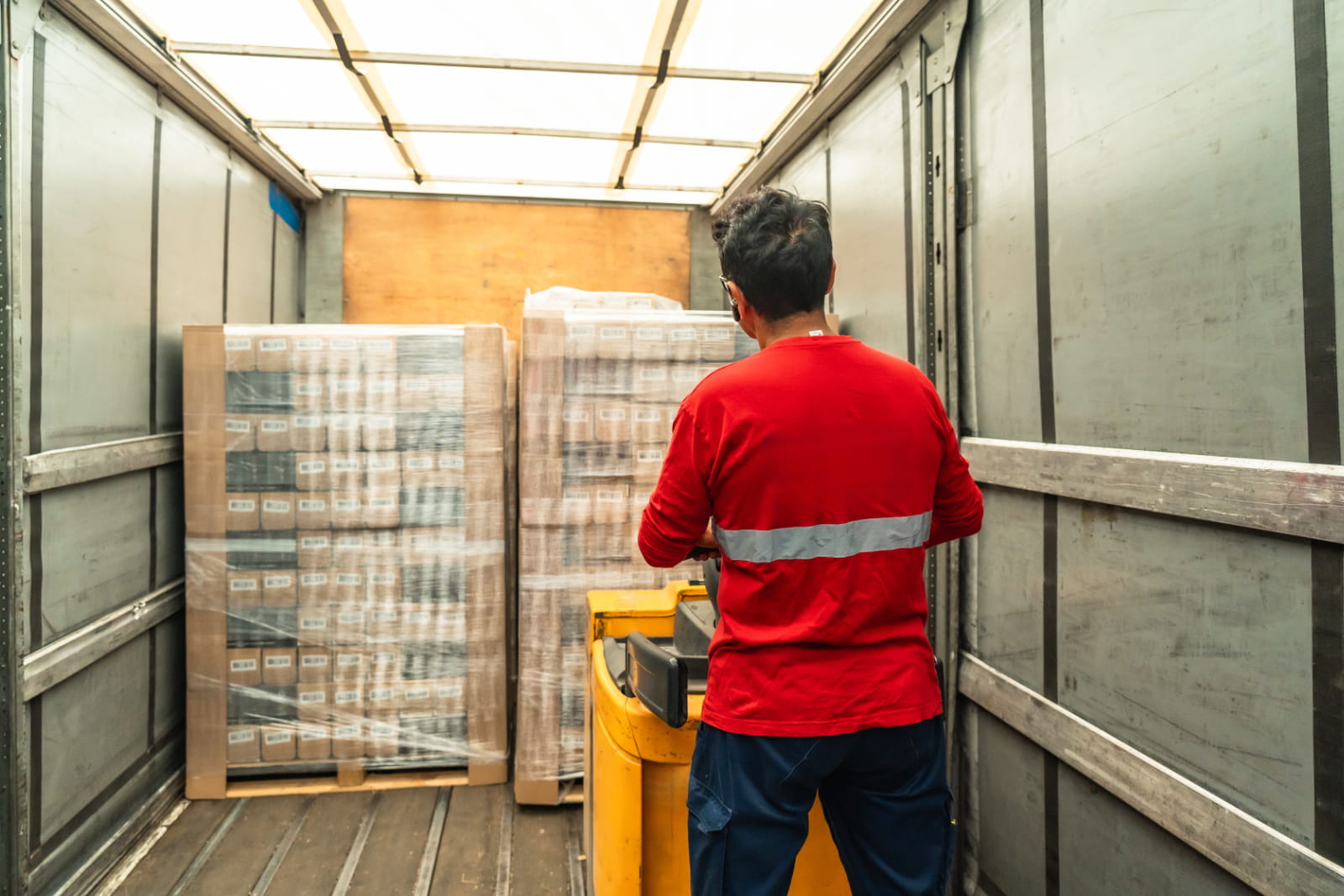
High-Capacity Truck Tail Lift for Heavy Commercial Loads
Choosing the right truck tail lift is essential for businesses that regularly transport heavy commercial loads. Whether moving industrial machinery, construction materials or large pallets, the correct lifting equipment can improve loading efficiency, reduce manual handling and help operators work more safely. However, selecting a suitable lift involves more than finding one with a high weight capacity.
Businesses also need to consider platform dimensions, vehicle compatibility, loading conditions and long-term maintenance requirements. A poorly matched lift can reduce vehicle payload, complicate deliveries and lead to unnecessary downtime. Understanding the different lifting systems and their capabilities makes it easier to choose equipment that meets current demands while allowing for future operational needs.
What Makes a Truck Tail Lift Suitable for Heavy Commercial Loads?
A heavy-duty truck tail lift must safely handle substantial cargo while remaining compatible with the vehicle and its loading environment. Commercial lifting equipment commonly ranges from 500 kg to 3,000 kg, although specialised systems can accommodate much heavier loads. For industrial applications, models rated between 1,500 kg and 3,000 kg are frequently considered for machinery, building materials and heavy palletised goods.
Capacity alone does not determine suitability. For example, a lift capable of handling 2,000 kg may still be unsuitable if its platform cannot accommodate the cargo’s dimensions or weight distribution. Businesses must also consider how the platform operates, particularly when moving irregularly shaped machinery or loads that require additional handling equipment.
The vehicle itself is equally important. Heavy-duty lifting systems are commonly fitted to larger commercial trucks and trailers, including vehicles with gross weights of 18 tonnes or more. However, every installation must be assessed individually because chassis construction, available payload and mounting arrangements differ between vehicles. A well-matched lifting system should support the required workload without compromising vehicle safety or everyday practicality.
How Do You Determine the Correct Truck Tail Lift Capacity?
The first step in choosing a truck tail lift is establishing the maximum weight that needs to be lifted during normal operations. This calculation must include the cargo itself and any handling equipment positioned on the platform. For example, transporting a 1,000 kg pallet with a 150 kg electric pallet truck creates a combined lifting load of 1,150 kg.
Businesses should calculate capacity requirements using their heaviest realistic loads rather than average delivery weights. A lift that comfortably handles everyday cargo may become unsuitable when occasional heavier shipments arrive. Future requirements should also be considered, especially for businesses expecting increased shipment sizes or changing cargo types.
Key capacity considerations include:
- Maximum cargo weight: Identify the heaviest individual load or combination of loads being lifted.
- Handling equipment: Include the weight of pallet trucks and other equipment travelling on the platform.
- Capacity headroom: Allow for realistic variations in cargo weight without exceeding the manufacturer’s limits.
- Load distribution: Check how the cargo’s centre of gravity affects the permissible lifting capacity.
- Future requirements: Consider whether heavier or larger loads may need to be transported later.
Published equipment guidance commonly identifies 1,000 kg to 1,500 kg lifts for general distribution and 1,500 kg to 3,000 kg models for heavier industrial applications. For example, lifting two 1,000 kg pallets alongside a 150 kg pallet truck creates a total load of 2,150 kg, requiring equipment with sufficient capacity at the specified load centre.
However, selecting the highest available capacity is not necessarily the most economical solution. Larger lifting systems can increase installation costs and reduce available vehicle payload. The best approach is to choose equipment with appropriate capacity headroom while confirming that the platform, chassis and lifting mechanism can safely support the intended loads.
Why Do Load Centre and Weight Distribution Matter?
A truck tail lift’s rated capacity applies under specific loading conditions established by its manufacturer. These conditions include the load centre, which describes where the cargo’s centre of gravity is positioned relative to the lifting mechanism. Some commercial tail lift specifications use reference load centres of approximately 600 mm to 750 mm, although the exact measurement varies by model.
Positioning cargo further towards the platform’s outer edge increases leverage on the lifting mechanism. This means a lift rated for 2,000 kg at its specified load centre may not safely lift the same weight when it is positioned further away. The manufacturer’s load diagram identifies the permissible weight for different loading positions.
Unevenly distributed cargo creates additional challenges. A 1,500 kg machine with most of its weight concentrated at one end behaves differently from an evenly loaded pallet of the same weight. Operators should therefore assess the cargo’s centre of gravity, position loads according to the manufacturer’s instructions and avoid exceeding the approved limits.
How Do Platform Size and Materials Affect Truck Tail Lift Selection?
Platform dimensions determine whether cargo can be safely positioned and moved during loading. A standard Euro pallet measures 1,200 mm by 800 mm, while a common industrial pallet measures 1,200 mm by 1,000 mm. These dimensions provide a useful starting point, but businesses must also account for pallet trucks, load restraints and any additional space required for safe handling.
Larger platforms can accommodate bulky machinery or multiple pallets, provided the lifting system has sufficient rated capacity. For example, placing two 1,200 mm-wide pallets side by side requires at least 2,400 mm of usable platform width in that orientation. Platform depth is equally important because insufficient space can create dangerous overhangs or unstable loading conditions.
Material choice also affects performance and vehicle payload. Heavy commercial lift assemblies can weigh approximately 400 kg to 640 kg, depending on their configuration. Aluminium platforms generally offer weight savings, while reinforced steel can provide additional resistance to demanding industrial use. Businesses should compare the actual specifications of each platform rather than assuming one material is always the better option.
Which Types of Truck Tail Lifts Are Best for Heavy Commercial Loads?
There are four main commercial truck tail lift configurations worth considering: cantilever, column, slider and fold-away systems. Each operates differently and offers advantages for particular loading environments. Dhollandia’s locally advertised cantilever and slider ranges include models with capacities reaching 3,000 kg, while selected fold-away models accommodate loads up to 2,000 kg.
The correct configuration depends on the relationship between the cargo, vehicle and delivery location. A vehicle regularly unloading industrial equipment at ground level may benefit from a cantilever lift, while a truck operating between warehouses and customer premises may require a system that retracts beneath the chassis.
Businesses should also consider loading frequency, platform movement and rear access requirements. Some lifting mechanisms remain visible at the back of the vehicle when stowed, while others preserve access to the cargo area. Understanding these practical differences helps fleet managers narrow their options before comparing individual model specifications.
Cantilever and Column Truck Tail Lifts
Cantilever lifts use hydraulic lifting arms to raise and lower cargo between vehicle floor height and ground level. Dhollandia’s range includes the DH-LM.20, with capacities from 1,500 kg to 2,000 kg, and the DH-LM.30, covering 2,000 kg to 3,000 kg. These models are designed for demanding commercial applications involving substantial freight and equipment.
Cantilever systems are particularly useful when ground-level access is a regular requirement. Dhollandia’s designs use four hydraulic cylinders, including two lifting cylinders and two tilt cylinders. This arrangement supports controlled platform movement and provides flexibility when positioning the platform during loading.
Column lifts operate along vertical guides rather than articulated lifting arms. Dhollandia’s broader column range covers capacities from 750 kg to 3,000 kg, while its three individually listed local models are rated between 1,000 kg and 1,500 kg. These systems can suit specialised vehicle bodies and applications requiring controlled vertical movement.
Slider and Fold-Away Truck Tail Lifts
Slider lifts retract beneath the vehicle chassis, leaving the rear loading area accessible when the platform is stored. Dhollandia’s DH-SM.20 handles loads within the 1,500 kg to 2,000 kg range, while the DH-SM.30 covers 2,000 kg to 3,000 kg. These heavier configurations are well suited to demanding distribution operations involving substantial cargo.
Their retractable design makes slider lifts useful when vehicles regularly alternate between loading docks and ground-level deliveries. Dhollandia’s slider systems also feature four-cylinder arrangements, automatic tilting at ground level and corrosion-resistant finishes designed to withstand demanding operating conditions.
Fold-away lifts offer a similar advantage by storing the platform beneath the chassis. Dhollandia’s locally listed range includes five models, with capacities from 750 kg to 2,000 kg. The DH-RM.20 provides the highest listed capacity in this category, making it worth considering when businesses need substantial lifting capability alongside convenient loading dock access.
How Do You Check Truck Tail Lift and Vehicle Compatibility?
A truck tail lift must fit the vehicle’s chassis, rear body structure and electrical system. Installation specialists should assess mounting points, rear overhang, suspension components and available ground clearance before recommending equipment. These requirements are particularly important when retrofitting an existing vehicle rather than installing a lift during the original body-building process.
The weight of the equipment also affects vehicle payload. Commercial tail lifts can weigh approximately 250 kg to 800 kg depending on their type and configuration. Adding a 600 kg lifting system increases the vehicle’s unladen weight by that amount, reducing its available payload accordingly. The installation can also affect rear axle loading.
Electrical compatibility should not be overlooked. Many commercial hydraulic tail lifts operate using 12 V or 24 V electrical systems, depending on the vehicle and equipment specifications. Installers must confirm that the power supply, wiring and battery capacity are appropriate for the intended operating frequency. Proper compatibility checks help prevent electrical problems, premature component wear and unsafe operation.
How Can Loading Conditions Influence Your Choice?
The places where a commercial vehicle loads and unloads have a direct influence on the most suitable truck tail lift. Vehicles delivering to warehouses with raised loading docks have different requirements from those transporting materials to construction sites or customer premises without dedicated loading facilities.
Businesses should evaluate their normal delivery environments before choosing a lifting system. A truck completing numerous daily deliveries may require different equipment from one used for occasional industrial loading. Ground conditions, available working space and vehicle loading height should all form part of the assessment.
Important operating considerations include:
- Loading dock access: Consider slider or fold-away systems when unobstructed rear access is regularly required.
- Ground conditions: Assess whether loading surfaces are level, stable and suitable for the equipment.
- Loading frequency: Choose equipment designed for the number and intensity of daily lifting cycles.
- Available space: Ensure there is sufficient room to deploy the platform and manoeuvre cargo.
- Delivery locations: Account for differences between warehouses, roadside deliveries and industrial premises.
Slider and fold-away systems are often practical for mixed delivery operations because they preserve rear access when stowed. Cantilever systems may be more suitable where direct ground-level loading is the main requirement, provided sufficient space is available to deploy the platform safely.
It is also worth considering how delivery requirements may change during the vehicle’s working life. A truck initially assigned to warehouse deliveries may eventually serve construction sites or smaller customer premises. Selecting equipment that accommodates realistic variations in loading conditions can improve operational flexibility and reduce the likelihood of needing an early replacement.
What Safety Features Should a Heavy-Duty Truck Tail Lift Have?
Safety is particularly important when lifting heavy commercial cargo because equipment failures, unstable loads and incorrect operating procedures can create serious risks. A suitable truck tail lift should include protective features appropriate to its lifting capacity, platform configuration and intended working environment.
Dhollandia’s cantilever and slider systems incorporate features such as electrical safety valves and manual emergency operating arrangements. However, not every model includes the same safety equipment or optional accessories. Businesses should confirm the exact specifications rather than assuming that all heavy-duty lifting systems offer identical protection.
Important safety features to consider include:
- Electrical safety valves: Help control hydraulic cylinder movement under specified fault conditions.
- Emergency operating arrangements: Allow trained personnel to respond to certain equipment malfunctions.
- Anti-slip surfaces: Improve traction for operators and handling equipment.
- Roll stops and load restraints: Help prevent wheeled cargo from moving unexpectedly.
- Safety rails and warning equipment: Provide additional protection where required by the application.
Operator training remains essential regardless of the equipment’s built-in features. Employees should understand load-centre limits, correct cargo positioning and the manufacturer’s operating instructions. They must also know how to identify unsafe conditions and when to stop using the equipment.
Routine pre-use inspections provide another important safeguard. Operators should check for damaged platforms, hydraulic leaks, worn components and unusual movement. Any defect affecting safe operation should be reported immediately, and the lift should remain out of service until the problem has been properly assessed and resolved.
Why Should Maintenance and Long-Term Costs Influence Your Decision?
A heavy-duty truck tail lift requires ongoing maintenance to remain safe and reliable. Hydraulic cylinders, hoses, bearings, electrical connections and lifting mechanisms experience wear during normal operation. Many commercial systems use four-cylinder lifting arrangements, making proper inspection and servicing of hydraulic components especially important for maintaining consistent performance.
Maintenance requirements can also depend on construction materials and environmental exposure. Dhollandia’s equipment incorporates features such as corrosion-resistant finishes, low-maintenance bearings and accessible lubrication points. These are particularly relevant for commercial vehicles operating in demanding industrial environments or coastal areas where corrosion can shorten component lifespan.
Fleet managers should therefore evaluate total ownership costs rather than focusing exclusively on purchase price. Installation, scheduled servicing, replacement components and unexpected downtime can all influence the long-term investment. Having access to technical support is equally valuable, particularly for businesses operating several commercial vehicles or relying on lifting equipment throughout the working day.
What Should You Consider Before Buying a High-Capacity Truck Tail Lift?
Buying a truck tail lift should begin with a clear understanding of the vehicle’s operational requirements. Fleet managers need accurate information about cargo weights, dimensions, delivery environments and vehicle specifications before comparing available equipment.
It is also important to evaluate the supplier’s installation capabilities and after-sales support. Heavy-duty lifting equipment represents a long-term investment, so businesses should consider how easily it can be maintained, whether suitable replacement parts are available and what assistance is offered when faults occur.
Before purchasing, consider the following:
- Lifting requirements: Confirm maximum cargo weight, handling equipment and load-centre restrictions.
- Platform specifications: Check usable dimensions, construction materials and load restraint requirements.
- Vehicle compatibility: Verify chassis mounting, electrical supply, payload and axle loading.
- Operating environment: Consider loading docks, ground clearance, delivery frequency and available space.
- Maintenance support: Assess servicing arrangements, spare parts availability and repair assistance.
- Total ownership costs: Compare installation expenses, maintenance requirements and potential downtime.
A professional assessment can help identify problems that are not immediately obvious from product specifications. For example, a high-capacity lift may satisfy the weight requirements but prove unsuitable because of restricted mounting space or insufficient ground clearance.
Businesses should also request information about installation, warranty coverage and recommended servicing before making a final decision. Comparing these details alongside lifting capacity and platform dimensions provides a clearer picture of which system will deliver dependable performance over the vehicle’s working life.
Where Can I Buy a Tail Lift with High Load Capacity for Commercial Trucks?
At Dhollandia SA, we supply commercial lifting equipment designed to meet different vehicle configurations and cargo handling requirements. Established in 2018, we are the authorised South African dealer for Dhollandia and offer cantilever, slider, column and fold-away lifting systems. Our locally advertised cantilever and slider ranges include models rated up to 3,000 kg for demanding commercial applications.
We help businesses identify suitable equipment based on lifting capacity, platform requirements and vehicle compatibility. Our product offering includes the DH-LM.30 cantilever lift and DH-SM.30 slider lift, both available in configurations covering 2,000 kg to 3,000 kg. We also provide installation, servicing, maintenance, repairs and warranty assistance to support equipment throughout its working life.
With branches in Johannesburg, Cape Town, Durban and Port Elizabeth, we support commercial vehicle operators across South Africa. Our services include a 24-hour national breakdown service, helping businesses respond to equipment failures and reduce unnecessary downtime. We focus on providing practical lifting solutions backed by local technical expertise and ongoing customer support.
Choosing the Right Truck Tail Lift for Heavy Loads
Selecting the right truck tail lift requires careful consideration of lifting capacity, load distribution, platform dimensions and vehicle compatibility. Businesses should also assess their loading environments, safety requirements and ongoing maintenance needs before investing in equipment. Taking these factors into account helps ensure that the chosen lifting system can handle heavy commercial loads safely and efficiently.
At Dhollandia SA, we help businesses find lifting solutions suited to their vehicles and daily operating requirements. Whether you need a high-capacity cantilever lift, a retractable slider system or professional advice on installation and maintenance, our team is ready to assist. Contact Dhollandia SA today to discuss your requirements, explore our lifting equipment range and request a quotation for your commercial vehicle.
FAQs About Truck Tail Lift
For heavy commercial loads, start by weighing the heaviest cargo together with any pallet truck or handling equipment that will stand on the platform. For example, a 1,000 kg pallet and a 150 kg pallet truck create a combined load of 1,150 kg. A higher rated lift may provide suitable headroom, but capacity depends on the manufacturer’s approved load centre and weight distribution. High capacity commercial models commonly cover 1,500 kg to 3,000 kg. Check the load diagram, platform dimensions and vehicle payload before choosing. A supplier should confirm that the selected configuration safely handles your actual loads with confidence.
The price of a high capacity truck tail lift in South Africa depends on its lifting capacity, platform dimensions, materials, mounting requirements and optional safety features. A 3,000 kg slider system may have different installation requirements from a smaller cantilever lift, so comparing purchase prices alone can be misleading. Request a quotation based on your vehicle model, typical cargo, loading frequency and operating environment. Ask whether the price includes installation, testing, operator instruction and warranty coverage. Also budget for servicing and replacement components. The best value comes from equipment that suits the workload and is supported by reliable local maintenance.
Cantilever and slider lifts can both handle heavy commercial loads, but their designs suit different delivery patterns. Cantilever lifts are useful for regular ground level loading, with Dhollandia models available in capacities up to 3,000 kg. Slider lifts retract beneath the chassis, preserving rear access when trucks use raised loading docks. Dhollandia’s listed slider range also reaches 3,000 kg. Compare more than capacity: consider platform size, clearance, loading frequency and space behind the vehicle. A supplier can help assess which arrangement matches your delivery locations. The right choice is the one operators can use safely and efficiently each working day.
Yes, many existing commercial trucks can be fitted with a high capacity truck tail lift, but suitability must be checked before installation. An assessment should cover the chassis, mounting points, rear overhang, ground clearance, electrical supply and body configuration. The additional equipment weight reduces available vehicle payload and can affect rear axle loading. Installers must also confirm that the lift reaches the required loading height and operates without interfering with other vehicle components. Never choose a model on lifting capacity alone. Ask an experienced installer to verify compatibility, applicable vehicle limits and any modifications required before you approve the purchase.
At Dhollandia SA, we supply commercial tail lifting equipment and help businesses select models suited to their vehicles and cargo requirements. Our cantilever and slider ranges include configurations with lifting capacities up to 3,000 kg, alongside column and fold away options for different operating needs. We also provide installation, servicing, repairs and warranty assistance. With branches in Johannesburg, Cape Town, Durban and Port Elizabeth, we support customers across South Africa and advertise a national breakdown service. Contact our team with your vehicle details, maximum load weight and delivery conditions so we can recommend suitable options and prepare a detailed quotation.