
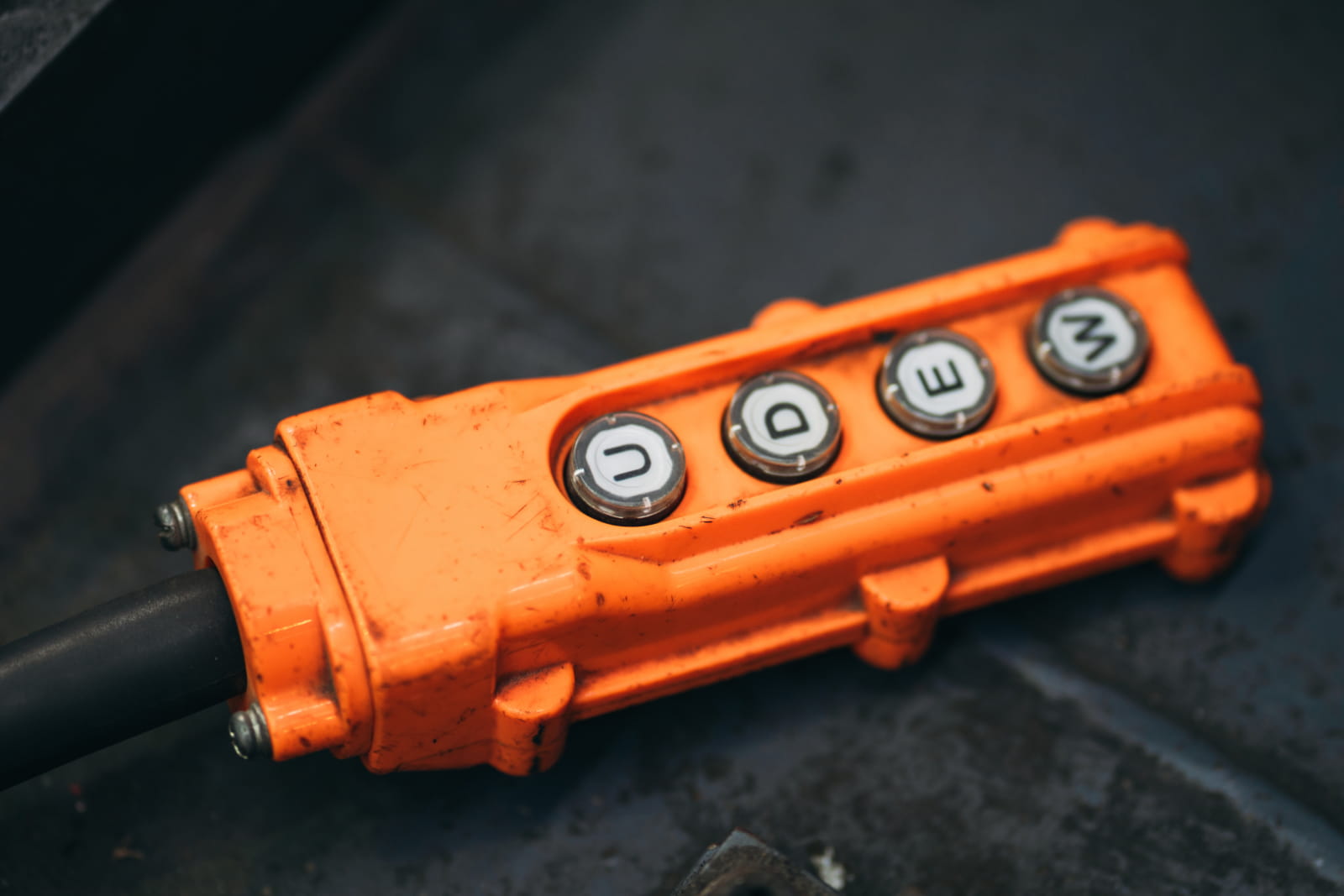
Tail Lift Remote Controls Failure and Replacement
A tail lift remote control makes loading and unloading easier by allowing operators to raise, lower and position heavy lifting platforms without relying entirely on fixed vehicle controls. However, when the remote stops responding or starts behaving unpredictably, routine deliveries can quickly become frustrating. Electrical problems, damaged wiring, worn buttons and moisture exposure are among the common reasons these controllers develop faults.
The good news is that not every remote control problem requires an expensive replacement. Some faults involve simple power supply issues, while others point to damaged components or problems elsewhere in the lifting system. Understanding the warning signs, knowing what to inspect and recognising when professional repairs are necessary can help businesses avoid unnecessary downtime while keeping their equipment safe.
Why Does a Tail Lift Remote Control Stop Working?
A tail lift remote control can stop working when electrical signals no longer travel reliably between the operator’s controls and the lifting mechanism. Wired controllers depend on physical connections, while wireless versions communicate through a transmitter and receiver. Problems anywhere along this connection can prevent the platform from responding, even when its hydraulic components remain operational.
Everyday working conditions also contribute to failures. Commercial vehicles encounter vibration, rain, dust and repeated loading cycles, all of which place pressure on electrical components. Several faults can produce similar symptoms, making accurate diagnosis important before replacing parts.
Common causes include:
- Discharged batteries: Wireless remotes may stop transmitting when their batteries become weak.
- Damaged wiring: Broken cables or loose connections can interrupt electrical signals.
- Worn buttons: Repeated operation can damage switches and internal contacts.
- Moisture exposure: Water entering the housing may cause corrosion or electrical faults.
- Receiver problems: Wireless communication can fail when the receiver or its connections develop faults.
- Control system defects: Faulty relays, switches or other electrical components may prevent commands from activating the lift.
Identifying the source of the problem prevents unnecessary replacements. For example, installing a new remote will not restore normal operation if the vehicle’s electrical supply is interrupted. Similarly, a damaged receiver may prevent communication even when the handheld transmitter is working correctly.
Operators should report unusual behaviour as soon as it appears rather than repeatedly pressing buttons or attempting to force the platform into position. Recurring faults deserve professional investigation because intermittent electrical problems can develop into complete equipment failures.
How Do Electrical and Battery Problems Affect Remote Controls?
Electrical supply problems are among the first things technicians investigate when a remote becomes unresponsive. Commercial tail lift hydraulic power units commonly operate on 12 V or 24 V electrical systems, depending on the vehicle and lift configuration. A replacement component must therefore match the relevant electrical specifications rather than simply looking identical to the original.
Wireless controllers also depend on reliable battery power and communication. Some wireless systems operate in the 2.4 GHz frequency band, although other frequencies are used. Weak batteries, damaged transmitters or communication interference can prevent commands from reaching the receiver. Wired controls avoid radio communication issues but remain vulnerable to cable damage and poor electrical connections.
Vehicle electrical faults can produce similar symptoms. A discharged vehicle battery, faulty isolator switch or damaged relay may stop the lift from operating regardless of the remote’s condition. Qualified technicians should establish whether the problem lies with the handheld controller, its communication system or the vehicle’s electrical supply before recommending repairs.
How Can Moisture and Physical Damage Cause Failures?
Moisture is a common concern for tail lift controls because commercial vehicles frequently operate outdoors. Rainwater, road spray and cleaning chemicals can enter damaged controller housings or poorly sealed cable connections. Once moisture reaches electrical components, corrosion may interfere with switches, contacts and internal circuits.
Physical damage can be equally disruptive. Operators may accidentally drop handheld controllers, trap wired remotes between cargo or pull cables while moving around the vehicle. These incidents can damage components without immediately stopping the remote from working, making developing problems difficult to identify.
Typical damage-related faults include:
- Cracked housings: Allow moisture and dirt to reach internal components.
- Corroded contacts: Interrupt electrical connections and cause inconsistent responses.
- Damaged cables: Prevent commands from reaching the control system.
- Broken buttons: Make individual lifting functions difficult or impossible to activate.
- Loose connectors: Cause intermittent operation during vibration or movement.
A remote that works after being dropped should not automatically be considered safe. Internal damage may affect electrical connections or important operating functions. Visible cracks, exposed wiring and signs of moisture should prompt an inspection, even when the platform still responds normally.
Keeping controllers protected when not in use can reduce unnecessary exposure. However, damaged equipment should not be repaired with improvised coverings or opened by unqualified operators. A professional assessment can establish whether the affected components can be repaired safely or whether replacement is necessary.
What Are the Warning Signs of a Failing Tail Lift Remote Control?
A failing tail lift remote control does not always stop working without warning. Problems often begin with small changes in performance, such as delayed responses, buttons requiring additional pressure or functions that occasionally fail. These symptoms may become more noticeable during frequent loading operations, especially when electrical connections are already deteriorating.
Recognising these changes early helps operators prevent equipment failures from interrupting deliveries. However, warning signs do not always identify the defective component directly. Similar symptoms may originate from the handheld controller, receiver, control box or wider electrical system.
Watch for the following warning signs:
- Delayed responses: The platform takes longer than expected to react to commands.
- Intermittent operation: Controls work normally during some attempts but fail during others.
- Sticking buttons: Switches become difficult to press or do not return properly.
- Unresponsive functions: Certain commands stop working while others remain operational.
- Unusual indicator behaviour: Warning or status lights behave differently from normal.
- Unexpected movement: The platform moves unpredictably or fails to stop as intended.
Intermittent faults are particularly important because they may disappear temporarily before returning. A remote that works during one delivery might become unreliable during the next. Continuing to operate equipment with unexplained electrical faults can create unnecessary risks.
Unexpected platform movement, uncontrolled lowering or failure to stop requires immediate attention. The lift should be removed from service and assessed by qualified personnel. Operators should never continue using the equipment simply because the controls occasionally return to normal.
What Should You Check Before Replacing a Tail Lift Remote Control?
Before replacing a tail lift remote control, it is worth checking whether the problem involves the controller itself or another part of the lifting system. Basic visual inspections can help identify obvious faults without dismantling electrical components. These checks should follow the manufacturer’s instructions and remain within the operator’s training.
Start by establishing whether the lift has electrical power and whether the controller shows visible damage. Wireless systems may have discharged batteries, while wired controls may have damaged cables or connectors. However, more advanced electrical testing should be left to qualified technicians.
Useful preliminary checks include:
- Vehicle battery: Confirm there is sufficient electrical power for normal lift operation.
- Master switch: Check that the tail lift has been activated correctly.
- Remote batteries: Replace discharged wireless controller batteries with the specified type.
- Control buttons: Look for sticking, damaged or unusually loose switches.
- Wiring: Check visible cables for cuts, trapped sections or exposed conductors.
- Controller housing: Inspect for cracks, corrosion or moisture damage.
- Other control stations: Report whether approved fixed controls show similar symptoms.
These observations can help technicians narrow down the problem. If multiple control stations are unresponsive, the fault may involve the electrical supply, control box or hydraulic system rather than the handheld remote. However, this comparison should only be performed under safe, approved operating conditions.
Operators must never bypass safety mechanisms, open electrical housings or repeatedly activate a malfunctioning lift. Professional diagnosis is especially important when faults involve unexpected movement, damaged wiring or inconsistent communication. The objective is to identify the actual cause before spending money on replacement components.
When Should a Tail Lift Remote Control Be Replaced?
A tail lift remote control should be replaced when professional assessment confirms that it is damaged beyond reliable repair or no longer meets the equipment’s safety requirements. Severe moisture damage, broken internal components, deteriorated switches and recurring electrical failures may justify replacement. There is no universal replacement age because control lifespan depends on operating frequency, environmental exposure and maintenance.
Compatibility is equally important. Since commercial tail lift systems may operate on 12 V or 24 V electrical supplies, replacement components must match the manufacturer’s approved specifications. Wireless controllers must also communicate correctly with their receivers, while wired versions require suitable connectors, electrical arrangements and supported operating functions. Choosing a replacement based on appearance alone can create further problems.
Repair may be appropriate when a technician identifies a replaceable component and can confirm that the controller will operate safely afterwards. Replacement becomes the better option when internal damage is extensive, suitable repairs are unavailable or reliable operation cannot be restored. Before returning the lift to service, technicians should confirm that the controls, stopping functions and relevant safety mechanisms operate correctly.
Can a Faulty Control Box Be Mistaken for a Broken Remote?
Yes. A faulty control box can produce many of the same symptoms as a damaged handheld controller. The remote sends operating commands, while the wider control system activates the required lifting functions. If relays, switches or electrical connections fail, the platform may stop responding even when the remote remains functional. This distinction is especially important when deciding which replacement components to purchase.
For context, Dhollandia’s cantilever lift designs commonly use four hydraulic cylinders, comprising two lifting cylinders and two tilting cylinders. Their electrical systems control the activation of hydraulic functions, while safety valves provide additional protection. A failure anywhere within the electrical control arrangement can therefore affect how the platform raises, lowers or tilts, without necessarily indicating that the handheld controller is defective.
Technicians should investigate the electrical supply, control box, wiring, switches and relevant hydraulic functions before confirming the fault. A controller that only operates intermittently might have worn buttons, but similar behaviour can result from poor connections or failing electrical components elsewhere. Establishing the difference helps businesses avoid replacing working equipment and prevents the original fault from continuing.
How Can Regular Maintenance Prevent Remote Control Failures?
Regular maintenance helps identify electrical deterioration before it causes unexpected breakdowns. Operators should inspect remote housings, buttons, cables and visible connections before use, following the manufacturer’s guidance. Wireless controllers also require appropriate battery checks and secure storage. Businesses operating several delivery vehicles can benefit from recording recurring faults so that maintenance teams recognise developing problems.
Maintenance should also consider the lifting equipment connected to the controller. Dhollandia’s cantilever range includes models with capacities from 500 kg to 3,000 kg, demonstrating the substantial loads commercial lifting systems may handle. Although the controller does not support these loads physically, its reliability is essential for directing platform movement. Electrical checks should therefore form part of broader inspections covering hydraulic cylinders, safety valves, structural components and lubrication points.
The correct maintenance frequency depends on the lift model, operating conditions and manufacturer’s recommendations rather than a universal timetable. Equipment completing frequent lifting cycles or operating in wet, dusty environments may require additional attention. Training operators to report damaged controls, inconsistent responses and unusual platform behaviour can help businesses arrange repairs before small defects develop into larger operational problems.
Where Can I Get a Tail Lift With Remote Control Operation?
Dhollandia SA supplies tail lifts with suitable remote control operation for commercial vehicles across South Africa. Businesses can explore cantilever, slider, fold-away and column lift configurations, with control options selected according to the model and operational requirements. Depending on compatibility, these may include wired handheld controllers, wireless remote systems or combined arrangements.
The right choice depends on the vehicle, cargo and loading environment. A remote-controlled lift must provide sufficient lifting capacity while allowing operators to maintain a clear view of the platform and surrounding area. Equipment selection should therefore consider both the lifting mechanism and the available control arrangements.
Dhollandia SA’s advertised product range includes:
- Cantilever lifts: Models with capacities from 500 kg to 3,000 kg for general commercial loading.
- Slider lifts: Models rated from 1,000 kg to 3,000 kg, with platforms that retract beneath the vehicle.
- Fold-away lifts: Options from 750 kg to 2,000 kg that preserve access to loading docks.
- Column lifts: Vertical lifting configurations for specialised commercial loading requirements.
- Control options: Compatible wired, wireless and fixed operating arrangements, depending on the specific lift.
Selecting the appropriate lift should begin with the heaviest expected load, platform dimensions and vehicle compatibility. Businesses should also consider loading frequency, working space and whether the vehicle regularly operates at raised loading docks.
Remote control functionality must be confirmed for the chosen model rather than assumed to be standard across every product. A specialist can establish which configurations are supported and whether an existing lift can accommodate an approved control upgrade.
How Dhollandia SA Can Help
At Dhollandia SA, we help businesses select, install, maintain and repair lifting equipment suited to their commercial requirements. Established in 2018, we serve as the authorised Dhollandia dealer in South Africa. Our team brings more than 20 years of combined industry experience, providing practical support for hydraulic, mechanical and electrical lifting systems.
We operate through four branches in Johannesburg, Cape Town, Durban and Port Elizabeth, supporting commercial vehicle operators across the country. Our services include scheduled maintenance, technical assistance, repairs and warranty support. We also provide a 24-hour national breakdown service and maintain tail lifts manufactured by other brands, helping businesses address faults across mixed vehicle fleets.
Whether a business needs help diagnosing an unresponsive controller or choosing a new tail lift with remote operation, we can assess its requirements and recommend suitable solutions. Our team can assist with equipment compatibility, control configurations and ongoing maintenance planning. We focus on helping customers maintain safe, dependable lifting equipment while reducing avoidable disruption to their operations.
Spot the Signs Early, Keep the Loads Moving
A faulty tail lift remote control can create delays, increase maintenance costs and compromise safety when problems are ignored. Electrical failures, worn buttons, moisture damage and communication problems are among the common causes, but not every unresponsive remote needs replacing. Recognising warning signs, carrying out appropriate inspections and arranging professional diagnosis helps businesses identify the right solution before investing in replacement equipment.
At Dhollandia SA, we’re committed to helping businesses keep their lifting equipment working safely and reliably. Whether you’re experiencing remote control problems, need advice on replacement components or want to explore a new remote-controlled tail lift, we’re here to help. Get in touch with Dhollandia SA today to discuss your requirements, arrange technical assistance or find the right lifting solution for your fleet.
FAQs About Tail Lift Remote Control
Businesses looking for a tail lift with remote control operation in South Africa can contact Dhollandia SA. The company supplies cantilever, slider, fold-away and column lifts for different commercial vehicles and loading requirements. Its branches in Johannesburg, Cape Town, Durban and Port Elizabeth provide access to sales advice and technical support. When enquiring, share the vehicle type, required lifting capacity, platform dimensions and typical loading conditions. Ask which wired or wireless control options are approved for the selected model, as availability varies. Confirm installation requirements, operator training, after-sales support and future repair arrangements before ordering to avoid compatibility problems later.
No. A wireless tail lift remote control should never be assumed to work with every lift. Compatibility depends on the specific model, electrical system, receiver, approved controls and safety features. Some lifts use wired handheld controllers or fixed controls, while others can accommodate wireless operation. Before purchasing, ask the supplier to confirm that the proposed arrangement is supported by the manufacturer and suited to the vehicle’s working environment. Operators must still maintain a clear view of the lifting area and follow the correct operating procedures. A qualified installer should verify all functions fully and safely before the equipment enters service.
The best tail lift depends on what the vehicle carries and how it is loaded. Cantilever lifts suit many routine delivery applications, while slider and fold-away designs are useful when vehicles need clear rear access at loading docks. Column lifts can serve more specialised loading requirements. Dhollandia SA advertises cantilever and slider models with lifting capacities of up to 3,000 kg, but the correct rating depends on the chosen model and load position. Discuss load weight, platform size, vehicle chassis, operating space and control preferences with the supplier. Remote operation should complement safe positioning, visibility, reach and everyday loading practices.
Sometimes, but not every existing lift can safely accept an additional remote. Whether a tail lift remote control can be retrofitted depends on the original control system, wiring, receiver compatibility and manufacturer-approved modifications. A wireless conversion may require more than replacing the handheld unit. Ask a qualified technician to identify the lift model and inspect the electrical controls before ordering any parts. They should confirm that emergency stopping, operating safeguards and all required functions remain effective after installation. Dhollandia SA offers technical support and servicing, including for other lift brands, and can advise on appropriate next steps for that vehicle.
Before buying a remote-operated tail lift, confirm the approved controller type, lifting capacity, platform dimensions and vehicle compatibility. Ask whether the quoted price includes installation, configuration, testing and operator instruction. Check how replacement controllers are sourced and what happens if a remote fails during deliveries. The supplier should explain routine inspection requirements, service arrangements and warranty coverage. Dhollandia SA provides installation assistance, maintenance, repairs and national breakdown support, with branches in four major South African centres. Getting these details in writing helps fleet managers compare the full operating requirements rather than focusing only on the initial purchase price and availability.