
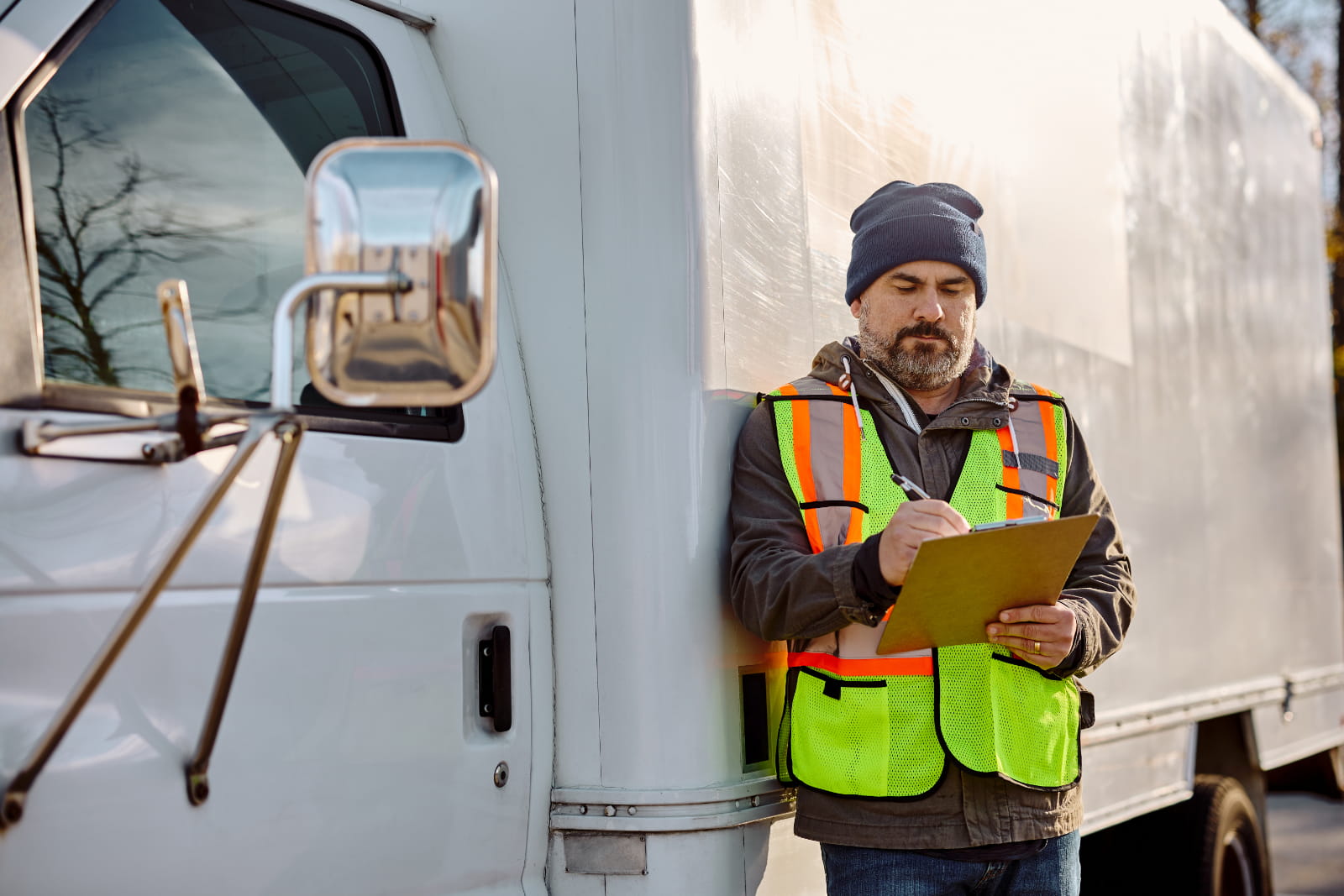
What To Inspect Before Purchasing a Used Tail Lift Truck?
Buying a used tail lift truck can help businesses expand their delivery capacity without the expense of purchasing a brand-new vehicle. However, an attractive asking price can quickly become less appealing when hidden mechanical faults, damaged lifting components or unexpected repairs enter the picture. A truck that looks well-maintained on the outside might still have serious problems with its hydraulic system or lifting platform.
A proper inspection should cover both the commercial vehicle and its lifting equipment. Buyers need to investigate maintenance records, structural condition, hydraulic performance, safety features and overall suitability for their operations. Taking the time to examine these areas before purchasing can prevent costly breakdowns and help businesses find a vehicle that offers genuine long-term value.
Why Does a Used Tail Lift Truck Need a Thorough Inspection?
Two commercial vehicles of the same age can have very different levels of mechanical wear. A truck completing occasional deliveries might use its tail lift only a few times weekly, while a busy distribution vehicle could perform 20 to 30 lifting cycles daily. At 250 working days annually, that represents approximately 5,000 to 7,500 cycles. This difference makes operating history particularly important when assessing second-hand equipment.
Previous working conditions also influence deterioration. Vehicles regularly operating in coastal areas, refrigerated environments or wet conditions can experience accelerated corrosion around exposed metal components and electrical connections. Buyers should establish what goods the vehicle transported, where it operated and whether it frequently handled loads close to its rated capacity. These details often explain more about the lifting equipment’s condition than the truck’s mileage alone.
What Should Buyers Check in the Vehicle’s Service History?
A complete service history provides valuable evidence of how the truck and lifting equipment have been maintained. It should identify previous inspections, routine servicing, major repairs and recurring mechanical problems. Buyers should examine the vehicle’s records separately from the tail lift’s maintenance history because both systems have different servicing requirements.
Documentation also helps establish whether the equipment has undergone modifications or major repairs. A lift transferred from another vehicle may have required different mounting arrangements, while previous hydraulic work could affect reliability. Before purchasing, request records that confirm the following:
- Vehicle identification: Check that registration documents, chassis numbers and identification details match the truck.
- Maintenance intervals: Look for consistent servicing and evidence that reported faults were resolved.
- Tail lift identification: Verify the model, serial number, rated capacity and manufacturer details.
- Repair history: Investigate previous hydraulic, electrical and structural repairs.
- Installation records: Confirm that any transferred or modified lift was professionally fitted.
- Previous workload: Establish how frequently the lift operated and what types of goods it handled.
Repeated repairs deserve particular attention. Several hydraulic seal replacements within a short period may indicate an unresolved pressure problem, while recurring electrical failures could suggest moisture damage or deteriorating wiring. A history of repairs is not necessarily negative, provided the underlying problems were properly diagnosed and corrected.
Missing service records create greater uncertainty about future reliability. Buyers should arrange an independent technical inspection when documentation is incomplete, particularly if the lift has undergone substantial modifications. A lower asking price should never compensate for an inability to verify the equipment’s basic specifications or structural safety.
How Can Buyers Identify Structural Damage on the Truck?
The rear chassis and mounting structures deserve close attention because they support the tail lift’s weight and operating forces. Dhollandia SA’s listed cantilever range includes equipment designed for substantial commercial loads, with capacities reaching 3,000 kg. Inspect chassis rails, cross-members, mounting areas and rear bodywork for cracks, deformation or corrosion. Fresh paint around structural connections may conceal previous repairs.
The truck’s general mechanical condition is equally important. Examine the suspension, tyres, brakes and vehicle alignment for indications of excessive wear or previous overloading. An uneven stance or abnormal rear tyre wear could indicate suspension problems. The additional weight of lifting equipment also affects available payload and axle loading, making it essential to verify that the complete vehicle remains within its permitted weight limits.
Which Tail Lift Components Are Most Vulnerable to Damage?
Tail lifts contain several load-bearing components that experience repeated movement and mechanical stress. Their platforms, lifting arms and mounting assemblies must remain structurally sound throughout operation. Even relatively small defects can become serious when the equipment regularly handles heavy cargo.
Corrosion and impact damage are particularly concerning because deterioration is not always immediately visible. Platform undersides, enclosed joints and mounting brackets can trap moisture or road debris. During an inspection, concentrate on these areas:
- Lifting platform: Look for cracks, bending, impact damage and excessive surface wear.
- Mounting brackets: Check for loose fasteners, corrosion and distorted mounting points.
- Hinges and pivots: Examine bushes, pins and joints for excessive movement.
- Structural welds: Identify cracks, unauthorised repairs or unusual reinforcement.
- Platform alignment: Check whether the platform opens, closes and sits evenly.
- Anti-slip surfaces: Look for worn or damaged areas that could reduce grip.
The condition of moving joints can reveal how consistently the lift was maintained. Dry pivots, damaged bearings and elongated pin holes suggest that lubrication or replacement work may have been neglected. Excessive movement can also transfer additional strain to surrounding components, increasing the likelihood of further damage.
Buyers should distinguish superficial wear from structural deterioration. Minor surface scratches are usually less concerning than cracking around welds or corrosion affecting load-bearing sections. Where structural damage is suspected, obtain a specialist assessment and written repair estimate before considering the purchase. Severe defects may make the equipment unsuitable regardless of its price.
What Hydraulic and Electrical Problems Should Buyers Look For?
Hydraulic systems control lifting movement and platform stability, making them essential inspection points. Dhollandia’s cantilever designs, for example, use four cylinders, with two responsible for lifting and two controlling platform tilt. Problems affecting these components can cause uneven movement, difficulty maintaining position or unreliable operation.
Electrical condition matters just as much. Commercial lifting equipment may operate on 12 V or 24 V electrical systems, depending on the vehicle and lift configuration. Damaged connections, inadequate power supply or incompatible electrical components can interfere with operation. Buyers should examine the following:
- Hydraulic cylinders: Check for oil leakage, damaged seals and corrosion.
- Hydraulic hoses: Look for cracks, abrasion, swelling and deteriorating connections.
- Pump operation: Listen for excessive noise or signs of mechanical strain.
- Electrical wiring: Inspect insulation, connectors and visible cables for damage.
- Control switches: Confirm that commands produce consistent responses.
- Battery connections: Check for corrosion, loose terminals and poor electrical contact.
One warning sign is hydraulic drift, where the platform gradually lowers while stationary when it should be holding position. This can indicate internal leakage, deteriorating seals or faulty valves. Such problems may not produce visible oil leaks, which is why observing the equipment during operation is important.
Electrical faults can also be intermittent. A control switch might work during an initial demonstration but become unreliable after repeated operation. Buyers should investigate improvised wiring repairs, water-damaged control boxes and inconsistent responses. A qualified technician can determine whether these issues involve minor component replacement or more extensive repairs.
How Should Buyers Test the Tail Lift Before Paying?
A demonstration without cargo confirms only that the lifting mechanism can move. It does not establish how the equipment performs under normal working loads. A qualified technician should conduct an appropriate controlled load test using the manufacturer’s rated capacity and load-centre specifications. For example, some commercial lifts are rated at 1,500 kg at a 600 mm load centre, meaning the position of cargo must be considered alongside its weight.
The inspection should include several complete lifting cycles to identify inconsistent movement, excessive vibration or platform instability. Observe whether the lift holds its intended position, reaches the required loading height and closes securely afterwards. Testing must remain within verified operating limits, and equipment with an unknown capacity should not be subjected to experimental loading. Any unusual behaviour should be investigated before the purchase is finalised.
How Can Buyers Confirm That the Tail Lift Suits Their Operations?
A used tail lift truck needs sufficient lifting capacity for its actual workload, including the weight of any handling equipment. For example, a 900 kg pallet combined with 100 kg of handling equipment places approximately 1,000 kg on the platform. However, the load’s position also matters. Moving cargo further towards the platform’s outer edge increases leverage on the lifting mechanism and may reduce the permitted load.
The lift configuration must also suit everyday delivery conditions. Dhollandia SA’s commercial product range includes cantilever models rated from 500 kg to 3,000 kg, while listed slider models cover 1,000 kg to 3,000 kg. Cantilever lifts suit many ground-level deliveries, whereas slider and fold-away designs preserve rear access for loading docks. Check platform dimensions, ground clearance and loading heights before deciding whether the vehicle meets operational requirements.
Which Safety Features and Documents Should Buyers Examine?
Safety equipment must be functional before a used tail lift enters commercial service. Although configurations differ, modern lifting systems may include emergency controls, electrical safety valves, protective barriers and platform securing mechanisms. Buyers should establish which features belong to the particular model rather than assuming every lift uses identical safety equipment.
Documentation is equally important because it confirms the equipment’s specifications and provides guidance on safe operation. Commercial lifts can carry loads exceeding 2,000 kg, so unclear capacity markings or missing operating instructions should be taken seriously. Before completing the purchase, check the following:
- Identification plate: Confirm the model, serial number and rated lifting capacity.
- Load information: Verify the manufacturer’s load-centre specifications and operating limits.
- Emergency controls: Check that fitted emergency functions operate correctly.
- Safety equipment: Inspect applicable valves, platform restraints and protective mechanisms.
- Operating documents: Request the manufacturer’s instructions and available inspection records.
- Vehicle compliance: Verify registration, roadworthiness and applicable commercial vehicle documentation.
A valid vehicle roadworthiness assessment does not necessarily confirm that the tail lift itself is mechanically sound. The lifting equipment requires its own appropriate technical checks, including an examination of safety-critical components. Buyers should also establish whether any outstanding defects have been formally recorded and resolved.
Once the vehicle has been purchased, operators need to understand its specific controls and operating procedures. Someone familiar with a cantilever lift may not automatically know how to deploy or store a slider system correctly. Equipment-specific instruction and routine pre-use inspections help prevent avoidable damage and unsafe operating practices.
What Additional Costs Should Buyers Consider Before Purchasing?
The advertised price is only part of the total investment. A second-hand lift may require replacement hoses, cylinder repairs, electrical work, structural refurbishment or professional testing before entering service. These expenses become particularly important for equipment rated at 1,000 kg to 3,000 kg, where load-bearing repairs must restore the system’s ability to operate safely. Buyers should obtain written repair estimates rather than relying on assumptions about minor defects.
Long-term maintenance and downtime also affect purchasing value. A vehicle completing 20 delivery stops daily could have a substantial workload disrupted by a single lifting failure, even when its engine remains operational. Buyers should confirm replacement-part availability, expected servicing requirements and access to qualified technicians. Comparing the purchase price plus immediate repairs and future maintenance costs provides a more reliable measure of value than the asking price alone.
Where Can I Buy a Used Tail Lift in Good Condition?
Finding dependable second-hand lifting equipment involves more than locating a suitable price. Buyers need access to technical expertise that can help establish whether the equipment is compatible with their vehicles and operating requirements. At Dhollandia SA, we support commercial vehicle operators with tail lift selection, maintenance and repairs. Our experience covers multiple lifting configurations, including cantilever, slider, fold-away and column systems.
As the authorised South African dealer for Dhollandia lifting equipment, we combine local technical knowledge with access to an extensive international product range. Our team has more than 20 years of combined industry experience, helping businesses make informed decisions about their lifting equipment. We provide support with:
- Equipment selection: We help businesses identify lifting configurations suited to their vehicles and cargo.
- Technical advice: We assist with capacity requirements, platform dimensions and vehicle compatibility.
- Maintenance and repairs: We service Dhollandia equipment and tail lifts from other manufacturers.
- Replacement components: We help customers identify appropriate parts and repair requirements.
- National support: We operate branches in Johannesburg, Cape Town, Durban and Port Elizabeth.
- Breakdown assistance: We provide a 24-hour national breakdown service.
We can also help customers assess whether maintaining or refurbishing an existing lift is worthwhile compared with purchasing replacement equipment. Our technical experience allows us to consider the condition of the lifting mechanism alongside its workload, maintenance needs and available support. Customers can contact us to discuss second-hand equipment requirements and enquire about suitable available options.
Our involvement continues beyond equipment selection. We provide servicing, repairs and ongoing technical assistance to help businesses keep their lifting systems operational. Whether a company operates one commercial vehicle or manages a larger fleet, we aim to reduce avoidable downtime and support reliable loading operations through practical maintenance solutions.
Make the Right Investment Before Buying a Used Tail Lift Truck
Purchasing a used tail lift truck can offer genuine savings when the vehicle and its lifting equipment have been properly inspected. A thorough assessment should establish the truck’s mechanical condition, the lift’s structural integrity, its hydraulic and electrical performance, and its suitability for everyday deliveries. With commercial lifting capacities ranging from hundreds of kilograms to several tonnes, even seemingly minor defects deserve careful attention.
At Dhollandia SA, we understand the importance of reliable lifting equipment for commercial operations. Whether you’re considering a second-hand lift, need an existing system inspected or want advice on a suitable replacement, we can help you evaluate your options. Get in touch with our team to discuss your lifting requirements and find a practical solution that supports safe, efficient and dependable deliveries.
FAQs About a Tail Lift Truck
Start by checking the truck and lifting equipment separately. Examine the chassis, rear mounting points, platform, hinges and welds for cracks, distortion or serious corrosion. Confirm that the identification plate shows a readable model and rated capacity. Ask for service records covering hydraulic, electrical and structural repairs. Watch the lift complete several operating cycles, then arrange an appropriate controlled load test with a qualified technician. Check for uneven movement, unusual noises, leaking oil and a platform that drifts down unexpectedly. Finally, confirm that the lift suits your usual cargo, loading locations and vehicle weight limits before finally agreeing to purchase.
Age alone does not reveal how hard a tail lift has worked. A vehicle completing 20 lifting cycles each working day could accumulate about 5,000 cycles over 250 days, while an older truck used occasionally might have much less wear. Ask the seller about delivery frequency, typical load weights and the conditions in which the vehicle operated. Compare that account with service records and wear around pivots, hinges and platform edges. Neither low mileage nor a recent repaint guarantees good condition. A qualified inspection remains important because corrosion, hydraulic drift and previous overloading may not be obvious during a demonstration.
Request the tail lift’s identification details, operating instructions and available maintenance and inspection records. Documentation should establish its rated capacity, applicable load centre and any significant repairs or modifications. If the lift was transferred from another vehicle, ask for records of the installation and compatibility checks. Check the truck’s registration details, chassis identification and applicable roadworthiness paperwork as well. Remember that vehicle roadworthiness does not necessarily prove that the lifting equipment is safe. Missing records increase uncertainty, so arrange an independent assessment and obtain a written estimate for any defects before deciding whether the asking price represents genuinely good value.
Yes, transferring a used lift may be possible, but compatibility must be assessed before removal or installation. The receiving truck needs suitable chassis mounting points, adequate rear clearance and enough payload and axle capacity to support the equipment and cargo. Its electrical supply must also match the lift’s requirements. Platform height, vehicle body dimensions and intended loading locations affect whether the equipment will operate properly. A qualified installer should check the relevant manufacturer’s specifications and determine which brackets or components need replacing. Do not assume that a lift working safely on one truck will automatically be suitable for another vehicle.
A second-hand lift can cost less upfront, but the purchase price should never be the only consideration. Budget for transport, installation, inspections, hydraulic servicing, electrical repairs and any replacement structural components. Check whether spare parts remain available for the exact model. Ask a qualified technician to identify immediate work and estimate likely maintenance needs. Consider how much disruption a breakdown could cause to scheduled deliveries. Compare the complete cost of putting the used lift into reliable service with a suitable replacement. If repairs are extensive, a newer or professionally refurbished option may provide better overall long-term value for the business.