
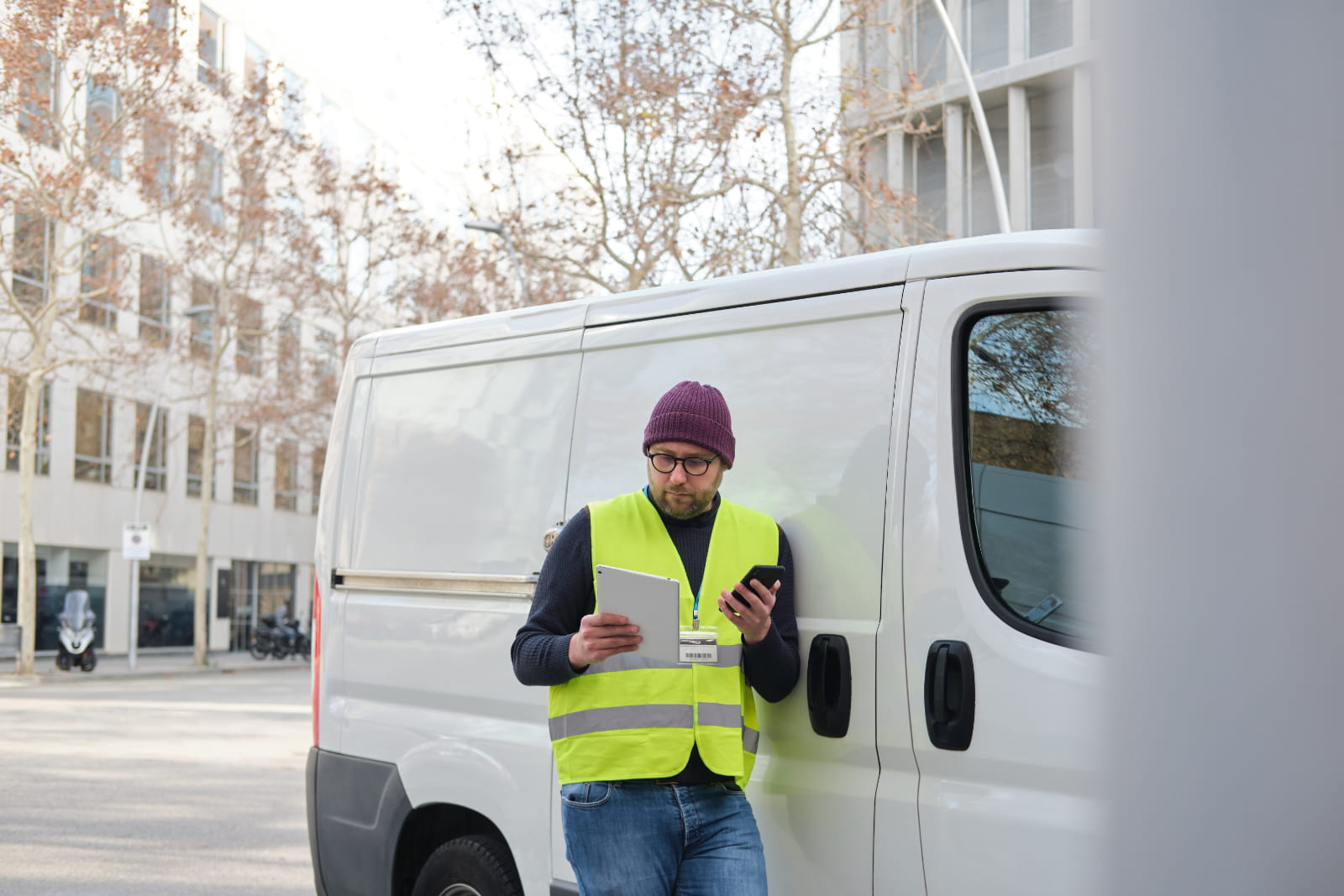
Electric Van Tail Lifts: Avoid These Costly Mistakes
Urban delivery fleets face daily challenges, from congested streets and tight delivery schedules to restricted parking and awkward loading areas. Choosing the right tail lift for a van can make these operations easier, particularly when handling heavy parcels, retail stock or bulky equipment. However, electric delivery vans introduce additional considerations because their batteries, payload limits and electrical systems can affect lifting equipment compatibility.
A tail lift that works well on a conventional delivery vehicle might not be suitable for an electric van. Fleet managers must consider installation weight, lifting requirements, driving range and daily operating conditions before purchasing. Understanding these factors helps businesses avoid expensive mistakes while maintaining safe, efficient deliveries.
How Does a Tail Lift for a Van Affect Payload Capacity?
Payload capacity is particularly important when fitting lifting equipment to an electric delivery van. Battery packs contribute substantial weight, and installing a tail lift reduces the cargo weight the vehicle can legally carry. For example, adding a complete lift installation weighing 150 kg reduces the available payload by approximately 150 kg, assuming no other modifications.
Weight distribution also matters because tail lifts are generally mounted towards the rear of the vehicle. This creates additional loading on the rear axle, potentially exceeding its permitted limit even when the vehicle remains within its overall weight allowance. Fleet managers should therefore examine the vehicle’s specifications before approving an installation.
Important checks include:
- Gross vehicle mass: Confirm the maximum permitted weight of the fully loaded van.
- Available payload: Calculate remaining cargo capacity after accounting for the complete lift installation.
- Axle loading: Check whether additional rear-mounted weight affects individual axle limits.
- Daily cargo requirements: Include drivers, equipment and the heaviest loads normally transported.
Fleet managers should request the complete installed weight rather than relying on the platform’s weight alone. Hydraulic components, brackets and electrical connections contribute to the final figure. This information helps businesses calculate whether the vehicle can still carry enough goods to complete its usual delivery routes.
The completed vehicle should also be checked under representative loading conditions. A van that comfortably handles lightweight parcels may experience different axle loads when transporting dense products or wheeled equipment. Confirming these limits before deployment reduces the risk of overloading and unexpected operational restrictions.
Why Does Lightweight Tail Lift Construction Matter?
Lightweight construction helps preserve payload capacity, particularly for smaller electric vans. Aluminium platforms can weigh less than comparable steel designs, although the actual difference depends on their dimensions and structural requirements. Some specialist configurations also use composite materials to reduce weight without sacrificing their intended lifting functions.
A published supplier comparison of lightweight hydraulic lifts reports payload improvements of approximately 120 to 180 kg when replacing certain steel installations with aluminium alternatives on 3.5-tonne electric vehicles. These are supplier-reported figures rather than independently verified savings. Actual benefits depend on the equipment being compared and its complete installed weight.
Fleet managers should therefore compare weight alongside structural strength, lifting capacity and maintenance requirements. Lighter platforms may be suitable for parcel deliveries, while heavier-duty applications can require reinforced components. Requesting detailed installation specifications provides a more reliable basis for deciding whether a lightweight configuration offers meaningful operational advantages.
Will an Electric Tail Lift Reduce a Van’s Driving Range?
Electric delivery vans rarely achieve identical driving ranges under every operating condition. Cargo weight, road gradients, temperature and frequent stopping all influence energy consumption. One published European urban-delivery guide estimates that real-world range can fall 20% to 35% below official WLTP figures under demanding conditions. This is an indicative estimate, not a universal reduction caused by tail lifts.
For perspective, a vehicle advertised with a 300 km driving range could achieve approximately 195 to 240 km if operating conditions produced that level of reduction. Adding a tail lift increases vehicle mass, but its actual effect depends on installation weight and operating conditions. The energy required for lifting also varies according to cargo weight, platform movement and the number of daily cycles.
Fleet managers should test representative routes with the intended equipment installed and realistic cargo loads. Recording kilometres travelled, lifting cycles and remaining battery charge provides more useful information than relying on advertised figures alone. Vehicles should retain enough battery capacity to accommodate traffic delays, additional delivery stops and unexpected changes to their schedules.
Which Tail Lift Design Works Best for Urban Deliveries?
Different lift designs serve different loading requirements, so selecting the right configuration involves more than choosing the highest lifting capacity. Compact van-specific lifts can provide access through rear or side doors, while fold-away and slider designs offer practical advantages for compatible commercial vehicles requiring unobstructed cargo access.
Urban deliveries often involve narrow pavements, restricted parking and buildings without dedicated loading facilities. A platform that extends too far behind the vehicle can complicate deliveries or create safety concerns. Businesses should consider the available operating space at their regular destinations before selecting equipment.
Common lift configurations include:
- Van-specific lifts: Compact systems designed for compatible rear-door or side-door installations.
- Fold-away lifts: Platforms that store beneath suitable commercial vehicles when not required.
- Slider lifts: Retractable systems that preserve access to loading docks and cargo openings.
- Cantilever lifts: Rear-mounted platforms commonly used for general freight handling on compatible commercial vehicles.
- Column lifts: Vertical lifting systems suited to particular commercial cargo applications.
Not every configuration is suitable for an electric delivery van. Larger cantilever, column and slider systems are commonly designed for trucks, and their installation requirements may exceed the available space or structural capacity of smaller vehicles. Fleet managers should confirm that the proposed model is approved for their particular van.
The final decision should reflect how drivers actually make deliveries. A business serving retail premises may prioritise compact platform storage, while another handling heavy wheeled equipment may require greater stability and platform space. Selecting equipment around these requirements can simplify loading without compromising vehicle accessibility.
What Lifting Capacity and Platform Dimensions Are Necessary?
A tail lift should comfortably handle the heaviest load the business expects to move, including any trolley, pallet or handling equipment used during loading. However, purchasing an unnecessarily powerful system may increase installation weight and costs without improving performance. The lift’s rated capacity must also be considered separately from the vehicle’s legal carrying capacity.
Platform dimensions are equally important because awkwardly shaped goods may require more space than their weight suggests. A narrow platform could accommodate the load’s mass but leave insufficient room for safe positioning. Fleet managers should measure typical cargo and account for how it moves onto and off the platform.
Before selecting equipment, assess:
- Maximum load weight: Include packaging, pallets and handling equipment.
- Load distribution: Follow the manufacturer’s approved load-centre limits.
- Platform dimensions: Allow sufficient space for cargo and safe movement.
- Vehicle loading height: Confirm the platform can reach the required floor height.
- Daily lifting frequency: Match equipment durability to the expected workload.
Load distribution deserves particular attention because the rated lifting capacity applies under specified loading conditions. Placing heavy goods near the outer edge increases the force acting on the mechanism. Operators must therefore follow the manufacturer’s load diagram rather than assuming the maximum stated capacity applies everywhere on the platform.
Businesses should also consider whether their delivery requirements could change. A fleet currently transporting small parcels might later introduce heavier products or larger wheeled containers. Allowing reasonable capacity for foreseeable requirements can reduce the need for equipment replacement, provided the additional capability does not unnecessarily compromise payload.
What Electrical and Installation Requirements Should Fleets Check?
Electric tail lifts commonly use an electric motor to operate hydraulic components, although electromechanical designs are also available. They require a compatible electrical supply capable of supporting repeated lifting operations. Commercial vehicle electrical arrangements vary, with 12 V and 24 V systems used in different applications. The lift’s voltage and power requirements must match the approved vehicle configuration.
Battery configuration can also influence installation decisions. A published European vehicle comparison suggests that some electric vans equipped with 75 kWh battery packs may have 150 to 200 kg less available payload than comparable 50 kWh versions. This difference is vehicle-specific rather than a universal rule, but it highlights why fleet managers should assess the exact model and battery configuration before choosing lifting equipment.
Mechanical installation requires similar attention. Underbody batteries, vehicle structure and ground clearance can restrict mounting positions. Installers should confirm chassis compatibility, approved attachment points and access to electrical components before proceeding. Once installed, the system should undergo operational testing, including platform movement, safety functions, electrical performance and vehicle weight distribution.
Which Safety Features Should Urban Delivery Fleets Prioritise?
Loading and unloading in busy urban environments presents risks involving traffic, pedestrians, uneven surfaces and unstable cargo. Tail lifts reduce the need for workers to manually raise heavy goods, but they introduce their own operating hazards. Suitable safety features and consistent procedures are essential for protecting drivers and the public.
The importance of safe material handling is reflected in workplace statistics. Great Britain’s 2024/25 figures recorded approximately 511,000 workers experiencing work-related musculoskeletal disorders, with transportation and storage among the higher-risk industries. Although these figures cover many activities, they underline the importance of reducing physically demanding handling tasks.
Important safety considerations include:
- Anti-slip platforms: Improve traction in wet or slippery conditions.
- Emergency controls: Allow operators to stop lifting operations when necessary.
- Load restraints: Help prevent wheeled or unstable goods from moving unexpectedly.
- Clear operating controls: Support accurate platform positioning and movement.
- Operator training: Covers loading limits, inspections and emergency procedures.
Drivers should inspect their lifting equipment before starting deliveries. Hydraulic leaks, damaged platforms, unusual noises and unreliable controls can indicate developing problems. Fleet managers should establish clear reporting procedures and ensure defective equipment is assessed before it returns to operation.
Safe working conditions must also be considered at individual delivery locations. Drivers should avoid deploying platforms where traffic or pedestrians could enter the operating area. Training should cover site assessment, correct cargo positioning and safe platform storage, particularly when several employees share the same delivery vehicle.
How Can Fleet Managers Compare Long-Term Operating Costs?
The purchase price represents only part of the cost of fitting a tail lift to an electric van. Installation, maintenance, repairs, replacement components and downtime all influence the long-term investment. Businesses should also examine whether additional equipment weight reduces the number of deliveries a vehicle can complete during a normal working day.
A published European operating-cost example considers an electric van covering 120 km and completing 60 deliveries daily. Using an estimated 25 kWh of electricity, vehicle depreciation and routine expenses, it calculates a cost of approximately €0.63 per delivery, compared with €0.85 to €0.95 for a comparable diesel vehicle. These are illustrative European calculations, not verified South African fleet costs. They demonstrate why the cost per completed delivery matters more than energy expenditure alone.
Fleet managers can apply this approach using their own electricity tariffs, vehicle costs, delivery volumes and maintenance records. Tail lift servicing should form part of the calculation because breakdowns can leave a van unable to complete deliveries despite remaining mechanically driveable. Reliable equipment and accessible technical support can therefore protect delivery capacity throughout the vehicle’s working life.
Which Manufacturers Offer Electric Tail Lifts for Vans?
At Dhollandia SA, we supply commercial lifting equipment backed by an international manufacturer established in 1968. As the authorised Dhollandia dealer in South Africa, we offer cantilever, slider, fold-away and column lifts, alongside van-specific lifting solutions available by special order. Our wider manufacturer’s product portfolio covers lifting capacities from 150 kg to 16,000 kg, although these figures do not represent the capacity range available for individual van installations.
We understand that electric delivery vehicles require careful equipment selection. Their payload restrictions, electrical arrangements and mounting requirements mean that a suitable lifting solution must be matched to the particular vehicle. We can assist customers with product enquiries and technical discussions to establish which configurations best suit their loading needs.
Our services include:
- Equipment selection: Guidance on suitable lifting capacities, platform configurations and vehicle requirements.
- Installation support: Assistance with arranging appropriate lifting equipment for compatible commercial vehicles.
- Preventative maintenance: Servicing that helps identify wear before equipment failures occur.
- Repairs and warranty assistance: Technical support for Dhollandia equipment and repairs for other tail lift brands.
- Breakdown assistance: A 24-hour national breakdown service for fleet operators.
We operate through branches in Johannesburg, Cape Town, Durban and Port Elizabeth, supporting businesses across South Africa. Our local presence allows us to assist fleet operators with equipment enquiries, ongoing servicing and repair requirements. We focus on helping customers maintain dependable lifting equipment throughout its working life.
We also recognise that electric fleet requirements differ between businesses. Some operators prioritise compact lifting equipment for urban deliveries, while others require solutions for heavier cargo. By assessing each application individually, we can help customers explore practical options without overlooking essential vehicle compatibility or operational requirements.
Choosing the Right Tail Lift for an Electric Van Fleet
Choosing a tail lift for a van requires careful consideration of payload, lifting capacity, platform design and electrical compatibility. Urban delivery fleets must balance these requirements against daily driving range, operating conditions and long-term maintenance costs. Equipment that suits the vehicle and its workload can improve delivery efficiency while reducing unnecessary handling risks and operational complications.
At Dhollandia SA, we help businesses find suitable lifting solutions for their commercial vehicles and provide ongoing maintenance and technical support. Whether you’re introducing electric delivery vans or upgrading existing lifting equipment, contact Dhollandia SA to discuss your requirements and explore a solution that supports your fleet’s daily operations.
FAQs About a Tail Lift for a Van
Not every electric van can accommodate the same tail lift. Compatibility depends on the vehicle’s chassis, rear or side door dimensions, axle limits, battery placement and approved electrical connections. Some compact lifts are designed specifically for vans, while larger truck systems may be unsuitable. Before ordering, provide the supplier with the van’s exact model, year, battery configuration and typical cargo details. Ask for confirmation of mounting points, ground clearance, installed weight and warranty implications. A professional compatibility assessment helps prevent costly modifications and ensures the lift can operate safely without interfering with the vehicle’s existing systems or legal payload limits.
A tail lift can affect an electric van’s driving range, mainly because its installation adds weight. The lift also uses electricity when raising and lowering cargo, although driving typically consumes much more energy than occasional lifting. The actual impact depends on equipment weight, delivery frequency, gradients, temperatures and load sizes. Fleet managers should avoid applying a universal percentage to every vehicle. Instead, test a representative van on its normal route with realistic cargo and lifting cycles. Record distance travelled, battery charge remaining and deliveries completed. This provides a clearer picture of whether the van can finish its daily schedule reliably.
Choose a rated capacity that safely handles your heaviest regular load, including pallets, trolleys or other handling equipment. However, a lift rated for 1,000 kg does not mean the van can legally carry that weight. Vehicle payload, axle limits and the manufacturer’s load-centre instructions still apply. Platform size matters too: wheels must fit securely, and operators need room to position goods safely. Measure the dimensions and weight of typical deliveries before requesting recommendations. Avoid buying a heavier, oversized lift simply for extra capacity that the fleet is unlikely to use. Confirm the proposed configuration with a suitably qualified local installer.
Many electric tail lifts use an electric motor to power a hydraulic lifting mechanism. The electrical supply must be compatible with the vehicle and capable of supporting the expected number of lifting cycles. An electric van’s high-voltage traction battery should never be connected directly to a lift without an approved vehicle-specific system. Safe operation also requires suitable controls, load restraints, non-slip surfaces and clear emergency procedures. Drivers should inspect the equipment before use and stop operating it if movement becomes uneven or faults appear. Installation, electrical integration and ongoing servicing should be handled by suitably qualified professionals using approved procedures.
At Dhollandia SA, we supply commercial lifting equipment and offer van-specific lifts by special order. We can help fleet operators discuss vehicle compatibility, cargo requirements and suitable configurations before installation arrangements are confirmed. Our support also covers maintenance, repairs, warranty assistance and a 24-hour national breakdown service. With branches in Johannesburg, Cape Town, Durban and Port Elizabeth, we support businesses managing delivery vehicles across South Africa. Before requesting a recommendation, have the van’s model, battery