
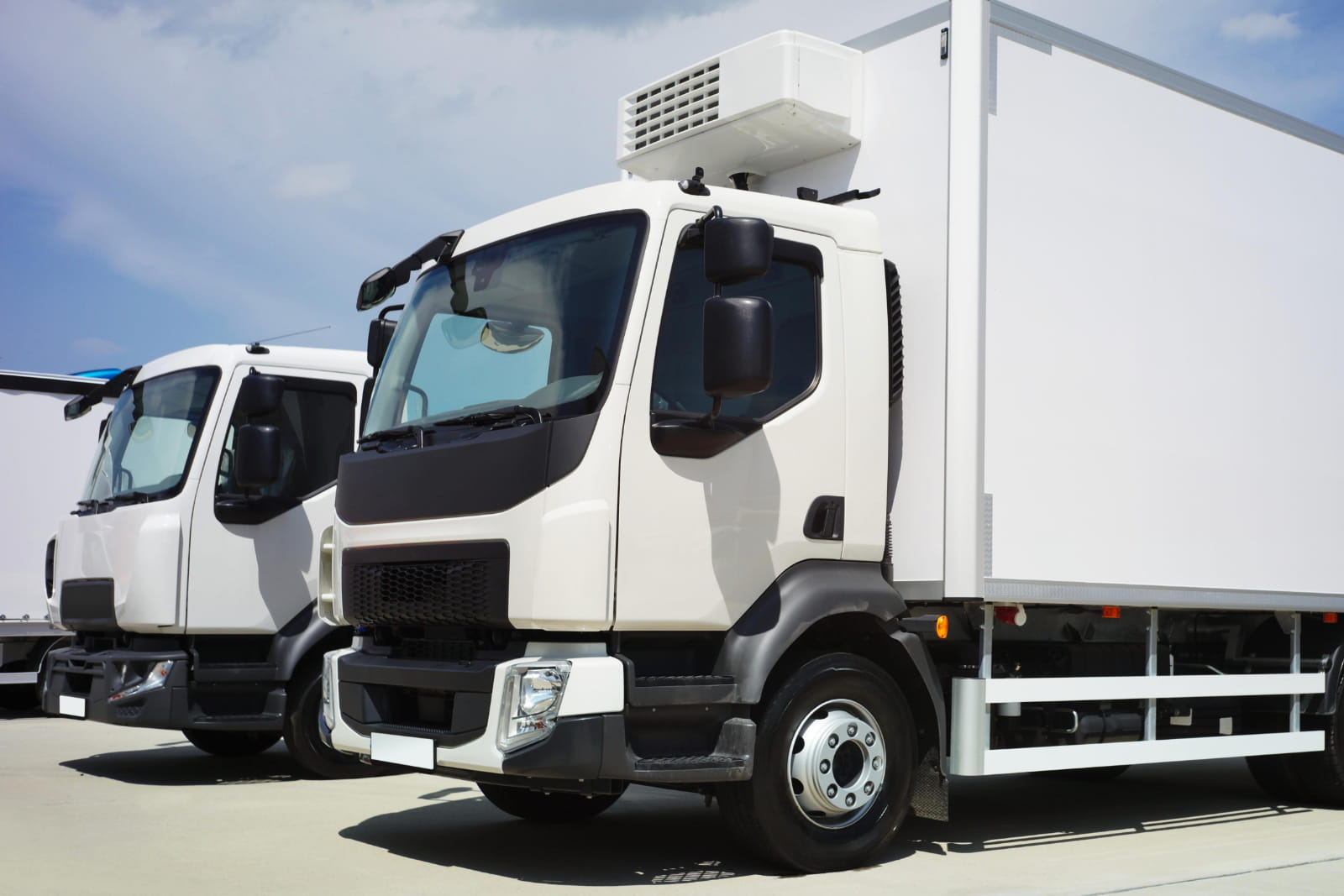
Cold-Storage Delivery: Prepping for Trucks With Tail Lifts
Cold-storage deliveries involve more than transporting goods from one location to another. Businesses must maintain suitable temperatures, protect valuable cargo and ensure employees can unload vehicles without unnecessary risks. A truck tail lift makes handling heavy goods easier, but its performance depends on the conditions at the delivery site. Uneven surfaces, limited parking space and poorly organised unloading areas can create delays that affect both workplace safety and temperature-sensitive products.
Preparing a delivery site properly helps refrigerated trucks move through loading areas without disrupting daily operations. Warehouses, supermarkets and food distribution centres should consider vehicle access, platform clearance, ground conditions and staff responsibilities before deliveries arrive. These preparations become particularly important when several trucks share the same unloading facilities or when chilled and frozen products need to reach storage areas quickly.
Why Does Delivery-Site Preparation Matter for a Truck Tail Lift?
A truck tail lift allows drivers and warehouse employees to move heavy cargo between a refrigerated vehicle and ground level without relying entirely on manual lifting. However, the equipment requires suitable operating conditions to work safely. A truck parked on uneven ground or too close to a building might not have sufficient room to deploy its platform. These problems can delay deliveries and expose employees to unnecessary handling risks.
Cold-storage operations introduce another important consideration: temperature control. Refrigerated vehicles maintain suitable temperatures during transportation, but repeated door openings and lengthy unloading procedures can allow warmer air into the cargo area. Delivery sites must therefore be prepared to receive products promptly. The following arrangements can help businesses improve loading efficiency while protecting cargo and employees:
- Allocate suitable unloading areas: Provide enough space for vehicles to park securely and operate lifting platforms.
- Maintain safe ground conditions: Keep unloading surfaces level, firm and free from obstacles.
- Prepare temperature-controlled storage: Ensure chilled and frozen products have somewhere suitable to go immediately after unloading.
- Establish clear responsibilities: Confirm who will operate the lift, inspect deliveries and move goods into storage.
- Separate pedestrians and vehicles: Prevent unnecessary movement through active loading areas.
These measures are particularly valuable at facilities receiving multiple deliveries throughout the day. When drivers know where to park and employees have prepared the receiving area, unloading can begin without repeated vehicle movements or last-minute adjustments. A consistent routine also makes it easier to identify problems before they become serious disruptions.
Businesses should review their delivery arrangements whenever vehicle types, cargo volumes or loading requirements change. A site designed for smaller delivery vehicles might struggle when larger refrigerated trucks begin arriving. Regular assessments help ensure that unloading facilities remain suitable for the equipment being used and the volume of goods moving through the premises.
Where Should Refrigerated Trucks Park for Safe Unloading?
Refrigerated trucks should park in designated unloading areas with sufficient space for their lifting platforms and cargo-handling activities. The ground should be firm and reasonably level, allowing the vehicle to remain stable throughout the operation. Drivers also need enough room to approach and leave without crossing busy pedestrian routes. Poorly positioned delivery bays can create unnecessary reversing movements, particularly when several vehicles share limited access.
This is a serious safety consideration. UK workplace transport guidance estimates that nearly one-quarter of workplace transport deaths occur during reversing operations. Although this figure covers workplace vehicles generally rather than tail lift deliveries specifically, it highlights the importance of planning vehicle movements. Cold-storage facilities should consider one-way traffic arrangements, clearly marked parking bays and designated pedestrian routes wherever practical.
Site managers should also account for vehicle dimensions, overhead clearances and access restrictions. Refrigerated trucks may carry additional equipment that affects their overall height, weight and manoeuvrability. Before accepting larger vehicles, businesses should check entrance widths, turning areas and available parking space. Drivers should receive clear instructions about the correct unloading location rather than having to search for a suitable place after arriving.
How Much Space Does a Truck Tail Lift Need?
The space required depends on the truck tail lift’s design, platform dimensions and deployment mechanism. Cantilever lifts generally need room behind the vehicle to unfold, lower and tilt. Fold-away and slider lifts store their platforms underneath the chassis, creating different clearance requirements. These arrangements are important when vehicles operate close to loading docks, warehouse entrances or other parked trucks.
Lifting capacity also influences the type of cargo and handling arrangements a site must accommodate. Commercial tail lifts are available in configurations ranging from approximately 500 kg to 3,000 kg across the featured Dhollandia SA cantilever range. Heavier loads may require larger platforms and more manoeuvring space. However, lifting capacity alone does not establish the necessary clearance, so businesses should check the actual dimensions and operating instructions of the equipment.
A suitable unloading area must accommodate more than the deployed platform. Employees need space to move loaded cages, pallets and other cargo away from the vehicle without obstructing colleagues or traffic. Businesses should assess the complete unloading process, including platform movement, cargo turning space and the route into cold storage. Testing the arrangement with an appropriately specified vehicle can reveal problems that basic parking measurements might overlook.
Which Ground Conditions Can Cause Unloading Problems?
Uneven ground creates difficulties for heavy vehicles and the equipment used to unload them. Damaged concrete, loose gravel, steep gradients and poorly maintained paving can affect the stability of wheeled cargo. Employees may struggle to move loaded cages or palletised goods safely across these surfaces. A platform that reaches uneven ground can also create awkward transitions between the lift and the unloading area.
Ground conditions are a recognised workplace transport hazard. UK safety guidance attributes nearly one-fifth of workplace transport deaths to vehicle overturning, with uneven surfaces, excessive gradients and unstable loads among the contributing risks. This broader statistic reinforces the importance of maintaining suitable driving and loading areas. While it does not specifically measure tail lift incidents, poor surfaces can also create slipping and cargo-handling hazards during unloading.
Cold-storage environments may experience additional problems from condensation, standing water and ice. Businesses should maintain effective drainage, repair damaged paving and inspect unloading areas during wet or cold conditions. Spills should be cleared promptly, particularly where wheeled loads travel between vehicles and storage facilities. If the ground cannot support safe unloading, the vehicle should be redirected to another suitable area rather than allowing employees to work around the problem.
How Should Sites Organise Loading Docks and Ground-Level Access?
Cold-storage facilities often receive vehicles with different unloading requirements. Some refrigerated trucks deliver directly to raised loading docks, while others use hydraulic lifting platforms to lower goods to ground level. Large distribution centres may accommodate both arrangements, whereas smaller businesses might rely entirely on ground-level deliveries. Understanding these differences helps site managers allocate suitable unloading areas and prevent vehicles from blocking access to essential facilities.
The configuration of a truck tail lift influences how the vehicle interacts with loading docks. Fold-away and slider lifts are particularly useful because their platforms can be stored underneath the chassis, leaving the rear cargo area accessible. However, site managers still need to confirm compatibility with dock heights, vehicle dimensions and rear door arrangements. Practical preparations include:
- Identify suitable loading bays: Assign vehicles to docks or ground-level unloading areas based on their equipment.
- Check vehicle clearance: Allow for the platform’s movement and storage position beneath the chassis.
- Maintain accessible routes: Keep the path between unloading areas and cold rooms free from unnecessary obstructions.
- Coordinate delivery schedules: Reduce congestion by managing arrivals during busy operating periods.
- Inspect dock conditions: Check that loading areas and vehicle interfaces are suitable before unloading begins.
Businesses should also consider how cargo moves after leaving the vehicle. A well-positioned loading dock offers limited benefits when employees must navigate narrow corridors or overcrowded storage areas. Delivery routes should allow loaded cages and pallets to move efficiently towards their designated storage locations.
Where vehicles alternate between dock-based and ground-level deliveries, clearly documented procedures help prevent confusion. Employees should understand which unloading arrangements are compatible with each vehicle. Drivers and site supervisors should also communicate any changes to loading areas before a delivery begins. This preparation improves operational flexibility and reduces the likelihood of equipment damage.
How Can Sites Protect the Cold Chain During Unloading?
Temperature control remains essential when refrigerated vehicles deliver perishable goods. UK food safety guidance recommends maintaining chilled storage equipment at 5°C or below, with frozen food generally stored at approximately -18°C or colder. These are useful food-storage reference points rather than universal requirements for every cargo type or jurisdiction. Businesses must follow the applicable requirements for their products, particularly when handling pharmaceuticals or specialised temperature-sensitive goods.
A truck tail lift can help reduce handling delays, but it cannot maintain refrigerated conditions outside the vehicle. Businesses should therefore prepare receiving areas before cargo doors open. Employees should check that cold rooms have sufficient capacity, internal routes are clear and the receiving team is available. Products should move into appropriate storage promptly, with their temperatures monitored according to established procedures.
Temperature management also depends on communication between drivers and receiving employees. Delays should be reported early so that cargo can remain under suitable refrigeration while alternative arrangements are made. Businesses can improve their processes by recording arrival times, unloading durations and temperature exceptions. Reviewing this information helps identify recurring problems, such as congested loading bays or inadequate receiving capacity, that may compromise efficient cold-chain handling.
What Should Staff Check Before Unloading Begins?
Employees should complete basic safety checks before operating a truck tail lift. The driver must confirm that the vehicle is correctly positioned and secured, while receiving employees inspect the surrounding area for obstacles and other hazards. The lifting platform should also be checked for visible damage, unusual movement or signs of hydraulic problems. Equipment that appears unsafe should not be operated until the issue has been investigated.
Clear responsibilities are particularly important when drivers and warehouse staff work together. Employees should know who is authorised to operate the lift, who will move the cargo and who is responsible for keeping pedestrians away. These checks can be incorporated into a standard pre-unloading routine:
- Confirm vehicle stability: Ensure the truck is parked securely in the designated unloading area.
- Inspect the lifting platform: Look for damaged components, leaks or other visible defects.
- Verify load capacity: Check that the total weight and position of the load comply with the lift’s rated limits.
- Secure wheeled cargo: Use suitable restraints where necessary to prevent movement.
- Clear the working area: Keep unauthorised personnel away from moving equipment and potential trapping points.
- Confirm operator competence: Allow only appropriately trained and authorised employees to operate the lift.
Once these checks are complete, the driver and receiving team should agree on the unloading sequence. Goods requiring immediate refrigerated storage can be prioritised according to their handling requirements. Employees should also confirm that sufficient space is available inside the facility before removing products from the truck.
Businesses should record equipment defects and recurring unloading problems so that corrective action can be taken. A consistent inspection process helps employees recognise unsafe conditions before an incident occurs. Regular training and supervision also ensure that workers understand the correct procedures, especially when new vehicles or different tail lift configurations are introduced.
How Can Loads Be Moved Without Creating Unnecessary Risks?
Every truck tail lift has a rated lifting capacity that must be respected. For example, Dhollandia SA’s featured DH-LM.10 cantilever lift offers configurations up to 1,000 kg, while the DH-LM.30 reaches 3,000 kg. These figures demonstrate how lifting requirements vary between commercial applications. However, operators must follow the exact rating and load-centre restrictions of the installed equipment rather than assuming its maximum capacity applies in every loading position.
The total load includes the goods and any handling equipment or permitted personnel travelling on the platform. Wheeled containers require particular care because they may move unexpectedly during lifting or lowering. Suitable restraints and correct positioning help maintain stability. Employees should also avoid reaching into trapping areas or standing beneath moving components. Personnel must only travel on a platform when the equipment is designed and authorised for that purpose.
Workplace transport guidance indicates that falls from vehicles account for around one-third of workplace transport injuries, with many occurring during loading and unloading. This reinforces the importance of keeping employees away from unprotected edges and avoiding unnecessary climbing. Sites should prioritise controlled cargo movement, clear communication and safe platform access instead of encouraging workers to rush through deliveries.
What Should Happen When Unloading Conditions Are Unsafe?
Unloading should stop whenever equipment, cargo or site conditions present an unacceptable risk. A damaged lifting platform, unstable load or unsuitable parking surface requires immediate attention. Employees should never be expected to continue simply because a delivery is running behind schedule. Suspected hydraulic faults, damaged restraints or problems with platform movement should be reported to the appropriate supervisor.
Cold-storage operations need contingency arrangements because unexpected delays may affect temperature-sensitive cargo. Research into refrigerated warehouse operations has reported that cold conditions can reduce forklift battery performance by up to 35%, although the effect depends on equipment and operating conditions. This is a warehouse-handling consideration, not a measured reduction in tail lift performance. It demonstrates why sites should avoid relying on a single piece of equipment or an unprepared receiving process.
When unloading cannot continue, the driver and site supervisor should identify a safe alternative. This could involve relocating the vehicle, arranging suitable lifting equipment or postponing unloading until repairs are completed. Refrigerated goods should remain under appropriate temperature control while the problem is resolved. Recording the incident, its cause and any corrective action helps businesses improve delivery procedures and reduce the likelihood of similar disruptions.
Who Sells Tail Lifts Compatible With Refrigerated Trucks?
At Dhollandia SA, we supply hydraulic lifting solutions for commercial vehicles, including refrigerated trucks and trailers. Our product range includes cantilever, column, fold-away and slider lifts, giving businesses several options for different loading requirements. We understand that refrigerated vehicles have particular installation considerations, including insulated bodywork, rear door arrangements, chassis dimensions and available ground clearance. Selecting suitable equipment helps businesses maintain efficient cargo handling without unnecessarily restricting access to their vehicles.
We provide guidance on matching tail lift configurations to commercial transport requirements. Our fold-away range includes models with capacities from 750 kg to 2,000 kg, while our slider range offers options up to 3,000 kg. Certain fold-away models also feature mounting arrangements specifically suited to refrigerated truck bodies. Our services and expertise include:
- Tail lift selection: We help businesses assess lifting capacities, platform configurations and vehicle compatibility.
- Refrigerated vehicle applications: We consider mounting requirements and access arrangements for temperature-controlled vehicles.
- Installation support: We assist with identifying suitable lifting solutions for commercial truck and trailer configurations.
- Maintenance and repairs: We provide servicing and repair assistance to support reliable equipment operation.
- Nationwide assistance: We offer a 24-hour national breakdown service for commercial fleets.
We have branches in Johannesburg, Cape Town, Durban and Port Elizabeth, supported by a wider service network. Our team brings more than 20 years of combined experience and expertise to the supply and maintenance of commercial lifting equipment. We also provide repair services for tail lifts from other manufacturers, helping businesses maintain fleets with different equipment configurations.
Our approach focuses on understanding how customers use their vehicles before recommending a lifting solution. A refrigerated truck making frequent supermarket deliveries may have different requirements from a vehicle regularly operating at large distribution centres. By considering cargo weight, delivery frequency, access conditions and maintenance needs, we help businesses choose equipment that supports their daily operations and long-term reliability.
Preparing Cold-Storage Sites for Safer Deliveries
Preparing a delivery site properly helps businesses get the most from a truck tail lift while protecting employees and temperature-sensitive products. Suitable parking areas, well-maintained surfaces and organised unloading routes reduce avoidable delays and create safer working conditions. Businesses should also establish clear responsibilities, inspect lifting equipment and ensure refrigerated goods move into appropriate storage promptly. These practical measures support reliable deliveries and help minimise disruption throughout the cold chain.
At Dhollandia SA, we understand the demands of refrigerated transport and the importance of dependable lifting equipment. We offer a comprehensive range of hydraulic tail lifts, backed by installation expertise, maintenance services and nationwide support. Whether you need a tail lift for a new refrigerated truck or want to improve an existing vehicle’s loading capabilities, get in touch with our team at Dhollandia SA. We’ll help you find a suitable solution for your cargo, vehicles and daily delivery requirements.
FAQs About a Truck Tail Lift
The best truck tail lift depends on the vehicle, cargo and places it delivers to. Fold-away and slider lifts are useful when refrigerated trucks regularly visit loading docks because their platforms store beneath the chassis. Cantilever lifts suit many ground-level deliveries, while column lifts provide another option for controlled vertical lifting. Compare safe working load, platform dimensions, available ground clearance and rear-door arrangements before choosing. The right lift should safely handle loaded pallets or roll cages without blocking access or compromising the refrigerated body. Ask an experienced installer to confirm compatibility rather than selecting equipment based on lifting capacity alone.
Yes, but installation needs careful planning from the outset. Refrigerated vehicles have insulated panels, sealed doors and refrigeration equipment that must remain functional after a truck tail lift is fitted. The installer should check chassis attachment points, rear-door clearance, platform movement and the position of any temperature-sensitive components. Suitable mounting arrangements can reduce the need for unnecessary modifications to the refrigerated body. Poorly planned alterations may create gaps, damage seals or interfere with loading access. Before approving the installation, ask for a vehicle-specific assessment and confirm how the design protects insulation, drainage, door operation and the vehicle’s legal load limits.
A truck tail lift helps move goods efficiently, but it does not cool products while they are outside the vehicle. Prepare the cold room, clear the receiving route and have trained staff ready before opening the cargo doors. Move chilled and frozen products directly into suitable storage promptly rather than leaving them in a warm loading area. Keep doors closed when unloading pauses and follow the required temperature limits for each product. Record any delays or temperature concerns promptly so they can be investigated. For frequent deliveries, coordinate vehicle arrival times to minimise congestion and unnecessary exposure during unloading operations.
Before operating a truck tail lift, check that the vehicle is securely parked on firm, level ground and that the unloading area is clear. Inspect the platform for visible damage, leaks and unusual movement. Confirm that the load, including handling equipment, falls within the lift’s rated capacity and permitted load position. Secure wheeled cages or other cargo that could move unexpectedly. Keep pedestrians away from the platform and ensure only appropriately trained, authorised people operate it safely. If a defect, unstable load or unsafe surface is found, stop unloading and report the problem before attempting to use the equipment again.
There is no single servicing interval suitable for every truck tail lift. The correct schedule depends on the manufacturer’s instructions, operating frequency, environmental conditions and applicable legal requirements. Refrigerated delivery vehicles may expose lifting equipment to moisture, condensation and repeated temperature changes, making inspections especially important. Drivers should complete routine pre-use checks, while qualified technicians examine hydraulic components, mounting points, electrical connections and safety devices at planned intervals. Keep written records of inspections, repairs and reported faults. If the lift behaves unusually or develops a leak, remove it from service until a competent professional confirms it is safe to operate.