
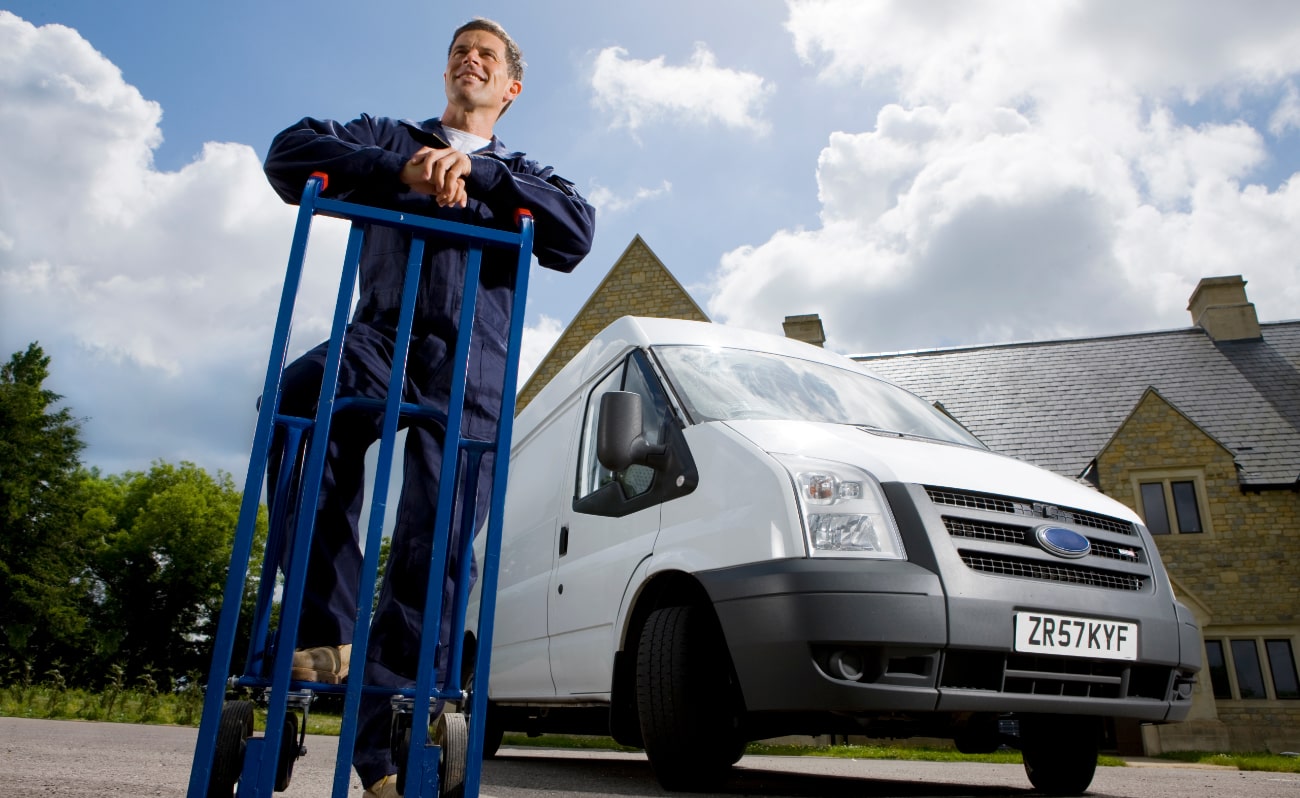
How Van Tail Lifts Improve in Commercial Operations
Van tail lifts are an essential solution for businesses that rely on commercial vehicles to move heavy or bulky cargo. These systems improve safety, efficiency, and workflow by allowing operators to lift goods mechanically, reducing the risk of injury and speeding up loading and unloading. By incorporating van lifts into daily operations, companies can protect staff, improve productivity, and maintain high service standards.
Data shows that businesses that use tail lifts report a significant decrease in manual handling injuries and faster turnaround times. With the correct installation and maintenance, van lifts can handle a wide range of cargo types, from pallets and trolleys to large machinery. This article explores how van tail lifts enhance safety, operational efficiency, and overall productivity for commercial operations.
How Van Tail Lifts Work
Van tail lifts are mounted at the rear or side of a van and use hydraulic power to raise and lower cargo between the ground and the vehicle floor. The system allows a single operator to safely handle heavy loads that would otherwise require multiple staff members. In 2025, industry data showed that vans equipped with tail lifts can reduce the average time for loading and unloading by up to 40% compared to manual handling.
Controls are simple and responsive, enabling operators to lift cargo smoothly and precisely. Many modern van lifts are designed to fit without structural modifications, allowing businesses to retrofit existing vehicles quickly. This flexibility makes them a practical choice for companies managing multiple vehicle types or operating under tight schedules.
The adaptability of these lifts extends to varied environments. Operators can handle cargo efficiently on uneven surfaces, pavements, and loading bays, ensuring safe and predictable operations. Studies indicate that consistent use of tail lifts in these conditions reduces workplace accidents and cargo damage by over 30%.
Key Advantages of Van Lifts
Lifts for vans offer tangible benefits that improve safety, efficiency, and operational consistency. Businesses that invest in these systems report measurable gains in both staff wellbeing and productivity.
- Reduced manual handling: Operators avoid repetitive lifting, lowering the risk of musculoskeletal injuries.
- Faster loading and unloading: Hydraulic lifts move cargo quickly, reducing turnaround times by up to 40%.
- Protection of goods: Smooth lifting prevents damage to items during handling.
- Versatility: Can be used on uneven surfaces, high loading bays, and in tight spaces.
- Single-operator efficiency: Heavy or bulky items can be handled by one person, freeing staff for other tasks.
Businesses that implement van lifts also report reduced absenteeism due to injury, helping maintain workforce consistency and reliability. By reducing the physical strain on staff, companies create a safer working environment and improve employee satisfaction.
Overall, the use of this machinery translates into operational savings, higher service levels, and better protection for both employees and cargo. These advantages make van lifts a strategic investment for any commercial operation that handles heavy goods regularly.
Where Van Tail Lifts Perform Best
Van tail lifts are highly effective in industries that require frequent and repetitive loading and unloading. Parcel delivery companies, catering services, hospitality suppliers, and equipment transporters all benefit from smoother, safer operations. A 2025 logistics survey showed that businesses using van lifts saw a 25% increase in daily operational efficiency compared to similar fleets without lifts.
These lifts are particularly suited for handling bulky or heavy items such as pallets, trolleys, crates, and equipment cases. They allow a single operator to handle loads that previously required two or more staff, optimising workforce allocation and reducing fatigue.
These lifts also adapt well to different delivery environments. Operators can work on driveways, pavements, loading bays, and uneven terrain with a stable platform. This consistency reduces accidents and ensures predictable workflow across varied conditions.
How to Choose a Tail Lift for Vans
Selecting the right van lift involves several critical considerations. Data from commercial operators indicates that matching lift capacity and platform size to the type of cargo can increase efficiency and lifespan of the equipment.
- Vehicle size and payload capacity: Ensure the lift does not exceed the vehicle’s structural limits or compromise cargo space.
- Type and weight of cargo: Choose a lift capable of handling the heaviest and largest items routinely transported.
- Frequency of use: High-use operations require robust systems with wider platforms and durable components.
- Installation requirements: Some lifts need precise measurement and professional setup.
- Ease of operation: Simple controls reduce errors and training time for staff.
Dhollandia SA provides professional assessments to ensure that van lifts are correctly matched to vehicles and operational needs. Their expertise ensures lifts are installed accurately, operate reliably, and deliver maximum efficiency and safety.
Investing in the right tail lift not only improves workflow but also ensures long-term durability and reduces maintenance costs. Businesses benefit from tailored solutions that are safe, efficient, and designed to meet the specific demands of their operations.
Maintenance and Reliability
Regular maintenance is critical for van lifts to remain safe and operational. Data from fleet operators shows that preventive maintenance reduces unexpected downtime by over 30% and prolongs the life of hydraulic systems. Key areas include hydraulic components, pivot points, and safety features.
Environmental factors such as dirt, moisture, and temperature changes can impact lift performance. Many modern lifts are built with protective finishes, corrosion-resistant materials, and low-maintenance components to withstand harsh conditions. Keeping moving parts clean and lubricated ensures smooth operation and prevents mechanical failures.
Scheduled servicing by trained technicians maintains reliability and safety. Businesses that follow routine maintenance protocols report consistent operational performance, reduced injury risk, and minimal disruption to loading schedules.
Safety Benefits of Van Lifts
The safety advantages of van lifts are significant, particularly in industries where heavy lifting is frequent. Workplace data suggests that implementing tail lifts can reduce manual handling injuries by up to 35%, making them a vital component in risk management strategies.
- Lower risk of injury: Operators avoid lifting heavy loads manually, reducing strains and sprains.
- Built-in safety features: Mechanical stops, safety belts, and alarms protect operators and cargo.
- Stable loading platform: Ensures cargo remains secure and operators maintain balance during lifting.
- Compliance with safety standards: Modern lifts for vans meet regulatory requirements, reducing liability risks.
- Enhanced workforce wellbeing: Reduces fatigue, absenteeism, and long-term physical strain.
By implementing these lifts, companies create a safer workplace while ensuring cargo is handled efficiently. The reduction in accidents and injuries also contributes to better employee morale and productivity.
In practice, the use of van lifts provides a controlled, predictable, and safe method of handling goods, allowing businesses to operate confidently and efficiently.
Operational Efficiency and Workflow
Van tail lifts streamline operations by allowing a single operator to manage loading and unloading tasks, freeing staff for other responsibilities. Industry surveys show that businesses using tail lifts report a 20-30% increase in throughput during busy delivery periods.
The lifts’ hydraulic systems move heavy cargo quickly and consistently, which is particularly valuable in high-turnover industries. Reliable performance ensures that scheduled deliveries and collections are completed on time, even during peak periods.
Consistency in lift operation also reduces human error and prevents cargo damage. Operators can handle loads in a predictable, controlled manner, contributing to higher customer satisfaction and overall operational reliability.
Elevate Your Operations with Van Lifts
Van lifts are an essential investment for any business that relies on commercial vehicles to transport heavy or bulky goods. They improve safety by reducing manual handling injuries, protecting staff, and securing cargo while also enhancing operational efficiency and workflow. Businesses that adopt van lifts can save time, reduce costs, and operate more reliably.
At Dhollandia SA, we provide expert guidance, professional installation, and ongoing support to ensure your van lifts deliver the maximum benefits. We encourage you to get in touch with us to discuss your requirements so we can help you enhance safety, efficiency, and productivity in your commercial operations.
FAQs About Van Lifts
A van lift is a mechanical platform installed at the rear or side of a commercial van. It uses hydraulic power to raise and lower heavy or bulky cargo between ground level and the vehicle floor, reducing the need for manual lifting and making loading and unloading safer and more efficient.
Van lifts typically handle between 500 kg and 3,000 kg, depending on the model and configuration. It is important to choose a lift that can safely accommodate your heaviest loads while still optimising your van’s payload capacity.
Yes. Many van lifts are designed to fit using dedicated mounting brackets without structural modifications. Specialised orders may be required for exact measurements or unique vehicle setups to ensure safe and efficient operation.
Absolutely. Regular maintenance keeps hydraulic systems, pivot points, and safety features in top condition. Cleaning, lubrication, and scheduled servicing prevent wear and breakdowns, ensuring consistent performance and long-term reliability.
Most modern van lifts are built with corrosion-resistant materials and protective finishes to withstand rain, snow, and temperature extremes. Proper operation, regular cleaning, and maintenance further ensure safe use in diverse environments.
Yes. Van lifts are particularly useful when there is a significant height difference between the ground and the cargo floor. They allow operators to lift heavy or awkward items safely, reducing effort and risk of accidents.
Consider your vehicle size, type and weight of cargo, daily usage frequency, and working environment. Consulting experts ensures the lift is correctly matched to your operational needs, providing maximum safety and efficiency.
Yes. Van lifts are designed so a single operator can safely load and unload heavy or bulky items, freeing up additional staff for other tasks and improving overall workflow.
Definitely. By reducing manual lifting and handling, van lifts lower the risk of staff injury, protect cargo, and create a safer, more efficient loading environment.