
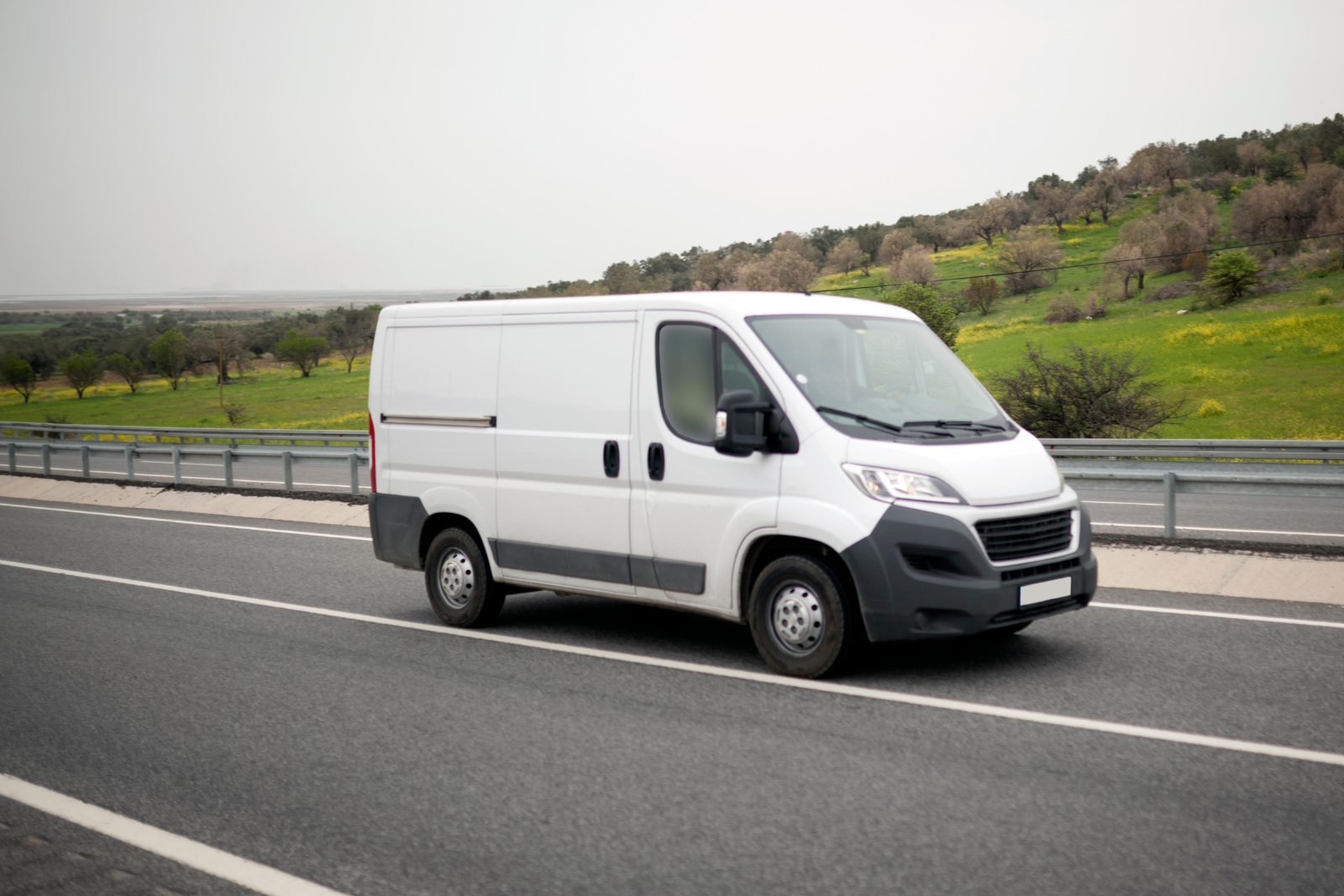
The Ultimate Guide to Tail Lift Vans
Van tail lifts are an essential addition to modern delivery and logistics vehicles. These hydraulic platforms at the rear of vans allow heavy or bulky goods to be loaded and unloaded safely without manual lifting. By reducing physical strain on staff, van tail lifts help prevent injuries while improving efficiency in deliveries. In the UK and South Africa, businesses that use tail-lift vans report fewer workplace accidents and faster loading times.
For companies handling furniture, appliances, pallets, or industrial equipment, van tail lifts are no longer a luxury but a necessity. This guide explains the different types of van tail lifts, how they work, their uses, and the benefits they offer. We also cover safety, maintenance, and installation services in South Africa, giving you everything you need to know to make an informed decision for your fleet.
Types of Van Tail Lifts
Van tail lifts come in different designs to suit specific operational needs. Choosing the right type depends on load capacity, frequency of use, and vehicle design. The main types include:
- Cantilever Lifts – Use hydraulic rams attached to the van chassis. The platform can tilt, forming a ramp for uneven ground. Ideal for light to medium-duty lifting.
- Slider Lifts – Slide out horizontally from under the van bed. Suitable for frequent forklift or pallet-truck loading and heavier loads.
- Fold-Away/Column Lifts – Mounted under the chassis and fold away when not in use. Perfect for vans needing frequent cargo access.
- Parallel Arm Lifts – Feature arms that guide the platform out from the rear. Often used on pickup trucks or smaller vans for low-to-medium loads.
- Tuckunder Lifts – Fold completely under the van bed for unobstructed access. Available in single or dual-cylinder designs for heavier loads.
- Railgate Lifts – Feature tracks attached to the vehicle body and lift vertically, ideal for fragile or sensitive goods.
These types allow businesses to match the lift to their operational needs. For example, slider lifts are widely used in logistics and food delivery in South Africa, where quick access to cargo is essential. Fold-away and cantilever lifts are popular in retail and home delivery sectors, providing a balance of lifting capacity and compact design. Selecting the right type can reduce manual handling by up to 70% and improve delivery times significantly.
By understanding the types of van tail lifts available, businesses can choose the right solution for their fleet. Factors such as platform size, load capacity, and foldability play a crucial role in operational efficiency. Choosing the correct type also ensures long-term durability and reduces maintenance costs, making tail lifts a smart investment for any delivery or logistics operation.
How Van Tail Lifts Work
Van tail lifts operate mainly through hydraulic systems, which use pressurised fluid to lift heavy loads smoothly. The basic mechanism involves a hydraulic pump, cylinders, and pistons that raise or lower the platform. Operators control the lift using buttons or levers on the platform or side of the vehicle.
- Hydraulic Pump – Generates pressure to move the platform.
- Cylinders and Pistons – Transform hydraulic pressure into mechanical force to raise or lower cargo.
- Control Panel – Allows operators to lift, lower, or tilt the platform.
- Safety Sensors – Prevent movement if the platform detects an obstruction.
- Emergency Stop – Instantly halts the lift in case of an accident.
Hydraulic systems provide consistent power, allowing van tail lifts to handle anything from 150 kg up to several tonnes. In commercial operations, this can reduce loading time by 40-50%, especially for palletised goods or large appliances. Proper use of the hydraulic system ensures smooth operation and prolongs the lifespan of the lift.
Understanding how van tail lifts work helps operators use them efficiently and safely. Familiarity with the hydraulic system, weight limits, and controls prevents accidents and protects both staff and cargo. Businesses that train their staff properly report a 60% decrease in lift-related incidents, proving that knowledge is as important as the hardware itself.
Uses of Van Tail Lifts
Van tail lifts are versatile tools used across multiple industries. They make handling heavy, bulky, or fragile items faster and safer. Common applications include:
- Furniture and Appliance Deliveries – Lifting sofas, fridges, or washing machines directly to homes or offices.
- Palletised Goods Transport – Quick loading and unloading in warehouses or retail distribution centres.
- Industrial Equipment Movement – Lifting machinery or tools for construction, manufacturing, or maintenance work.
- Food and Beverage Distribution – Efficient handling of crates, pallets, or refrigerated goods.
- Courier and Logistics Services – Reducing manual handling for parcels of various sizes and weights.
Tail lifts allow operators to work efficiently even without a loading dock. In the UK, 70% of small to medium logistics businesses report using tail lifts for last-mile delivery, while in South Africa, they are increasingly used in urban and rural delivery networks.
By reducing manual lifting and speeding up operations, van tail lifts improve both safety and productivity. Operators can load and unload more deliveries in less time, enhancing workflow and reducing staff fatigue. The flexibility to handle different cargo types also makes tail lifts a practical choice for mixed fleet operations.
Benefits of Van Tail Lifts
Van tail lifts offer significant advantages for businesses, particularly those handling heavy or bulky goods. These benefits include:
- Improved Safety – Reduces injuries from lifting or dropping heavy items.
- Faster Operations – Speeds up loading and unloading, saving time and labour costs.
- Versatility – Suitable for a wide range of cargo sizes and weights.
- Reduced Damage – Minimises accidents that could damage goods during handling.
- Enhanced Fleet Efficiency – Allows more deliveries per day without extra staff.
Businesses using tail lifts can save significant costs. For instance, companies that introduce hydraulic lifts in delivery vans report a 25-40% reduction in workplace injuries and up to 20% improvement in operational efficiency. Tail lifts also enhance customer satisfaction by ensuring goods arrive undamaged and on time.
Investing in van tail lifts also provides long-term benefits. With proper maintenance, these lifts can last many years, reducing the need for frequent replacements. Their ability to adapt to different vehicles and cargo types makes them a cost-effective and flexible solution for any business relying on deliveries.
Which Companies Offer Installation Services for Tail Lifts in South Africa?
In South Africa, Dhollandia SA is a leading provider of tail lift installation, maintenance, and repair services. We are the authorised dealer of a reputable European tail lift brand with over 50 years of experience in the industry.
At Dhollandia SA, we offer a full-service package, including professional installation, routine maintenance, and repairs. Our expertise covers passenger lifts, van lifts, cantilever lifts, slider lifts, foldaway lifts, and column lifts. We also service competitor brands and provide hassle-free warranty support, ensuring vehicles remain fully operational.
With service centres in Cape Town, Johannesburg, Durban, and Port Elizabeth, Dhollandia SA provides nationwide coverage. Our 24-hour breakdown service allows businesses to minimise downtime and maintain fleet reliability. This makes us a trusted choice for companies looking for safe and efficient van tail lift solutions.
Safety and Maintenance Tips for Van Tail Lifts
Safety and maintenance are essential for the long-term performance of van tail lifts. Operators should follow these practices:
- Regular Inspections – Check hydraulic hoses, cylinders, and seals for wear.
- Lubrication – Keep hinges, joints, and pistons well-oiled to reduce friction.
- Load Limits – Never exceed the platform’s rated capacity.
- Secure Cargo – Use straps or restraints to prevent items from shifting.
- Emergency Checks – Ensure sensors and stop mechanisms work correctly.
Proper safety practices prevent accidents. In South Africa, regular maintenance combined with trained operators has been shown to reduce lift-related incidents by up to 60%. Keeping the lift clean and free from debris also prolongs its lifespan and maintains smooth operation.
By implementing these measures, businesses protect both their staff and goods. Regular maintenance schedules, staff training, and safety protocols ensure van tail lifts remain reliable, efficient, and safe for daily operations.
Making the Most of Your Van Tail Lifts
Van tail lifts are essential for businesses that need to handle heavy or bulky items safely and efficiently. They reduce manual labour, minimise the risk of injury, and speed up delivery operations. With different types like cantilever, slider, and fold-away lifts, there is a solution for every operational need and vehicle type.
At Dhollandia SA, we provide professional installation, maintenance, and repair services for tail lifts across South Africa. By choosing our expertise, you ensure your fleet remains reliable and your deliveries safe. Contact us today and let’s help you make your operations more efficient, secure, and hassle-free.