
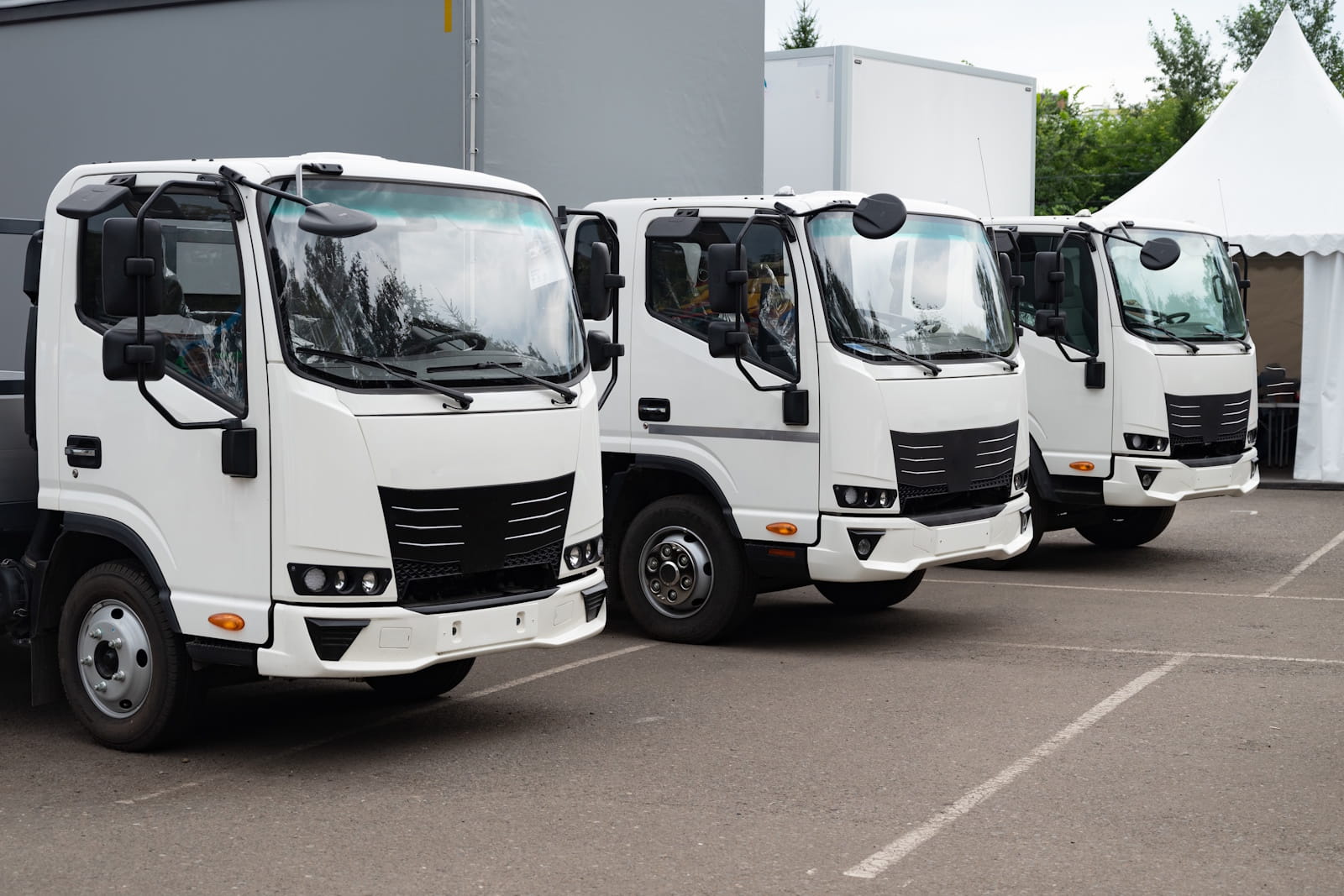
Truck Lifts: Boost Your Fleet Efficiency
Truck lifts are essential tools for modern fleet operations, transforming the way goods are loaded and unloaded across South Africa. These mechanical platforms help businesses improve efficiency, reduce physical strain on employees, and maintain consistent delivery schedules. By integrating truck lifts into fleet vehicles, operators can manage heavy or bulky items with minimal effort, increasing productivity while keeping operations safe. Understanding the role, types, and maintenance of these lifts is crucial for any business looking to streamline logistics or transport operations.
Beyond simple convenience, truck lifts support operational reliability and workforce safety. They allow single operators to handle tasks that would otherwise require multiple staff members, reducing labour costs and freeing up time for other important activities. For businesses operating in fast-paced logistics, construction, or food distribution, these lifts are not just optional but a key component of modern fleet management. With proper installation, training, and maintenance, truck lifts can become long-term assets that enhance both efficiency and safety.
Why Truck Lifts Are Vital for Fleet Operations
Fleet efficiency is often determined by the tools that operators use to handle cargo. Truck lifts are a central part of this, allowing employees to lift and move heavy goods quickly, safely, and with minimal effort. In South Africa, businesses frequently encounter diverse operational challenges, from urban deliveries in tight streets to industrial transport on uneven surfaces. Truck lifts help overcome these obstacles, ensuring that deliveries can be completed on time without relying on extra manpower. For example, a single operator can use a lift to handle a pallet of goods that would otherwise require two or three people, allowing fleets to cover more ground with fewer resources.
Safety is another key factor in modern fleet operations. Heavy lifting without proper equipment increases the risk of workplace injuries, which can result in costly downtime and insurance claims. Truck lifts reduce the need for manual handling, allowing operators to maintain correct posture and safely manoeuvre cargo. Features like handrails, non-slip platforms, and overload sensors ensure both staff and goods are protected. Over time, this combination of safety and efficiency not only supports staff wellbeing but also boosts overall operational reliability and customer satisfaction.
- Enhanced Efficiency: Automates lifting and reduces loading/unloading times, allowing a single operator to handle tasks that previously required multiple workers.
- Improved Safety: Minimises manual handling and workplace injuries through built-in safety features and ergonomically designed platforms.
- Versatility: Suitable for a wide range of cargo types and industries, from retail and logistics to construction and waste management.
Integrating truck lifts allows businesses to streamline their operations, making each delivery faster and safer. Efficiency gains are particularly noticeable in high-volume or multi-stop routes, where every minute saved translates into more completed deliveries and better fleet utilisation. Using the right lift type for the correct application can also reduce wear and tear on vehicles, ensuring they remain operational longer and with fewer maintenance interruptions.
When truck lifts are deployed correctly, South African fleets can enjoy consistent productivity, reduced operational costs, and improved employee satisfaction. Businesses that rely on heavy lifting or regular deliveries quickly see the value in equipping their fleet with these essential tools, as they combine operational speed with enhanced safety.
Understanding Different Types of Truck Lifts
Choosing the right type of truck lift is critical to ensure your fleet can operate safely and efficiently. Column lifts, for example, are well-suited for smaller vehicles that require precise vertical lifting, making them ideal for frequent urban deliveries or limited ground clearance situations. Cantilever lifts offer increased load capacity, supporting heavier industrial equipment or construction materials, while maintaining smooth operation and stability. By understanding the operational strengths of each type, fleet managers can match the lift to the specific needs of their vehicles and routes.
Other lift types, such as tuckaway, slider, and retractable systems, provide additional operational flexibility. Tuckaway lifts fold neatly beneath the vehicle when not in use, keeping the rear unobstructed for easy access. Slider lifts move horizontally, combining space efficiency with robust handling for factory waste, pallets, or irregular cargo. Using the correct lift type ensures maximum safety, reduces potential damage to goods, and enables operators to complete tasks faster. Selecting the right truck lift ultimately enhances the overall performance of a fleet, allowing businesses to handle a variety of delivery scenarios confidently.
Key Applications of Truck Lifts
Truck lifts are highly versatile, supporting a wide range of industries and applications. In logistics and distribution, they enable last-mile deliveries, warehouse transfers, and efficient e-commerce operations, allowing operators to handle pallets and large shipments safely and quickly. For retail and food service businesses, truck lifts are invaluable for delivering packaged goods, beverages, or perishable items while maintaining product integrity and ensuring timely deliveries.
Industries such as construction and heavy manufacturing also benefit from truck lifts, which facilitate the safe movement of machinery, tools, and raw materials. Waste management and emergency service operations similarly rely on these lifts for handling large bins, containers, and critical equipment efficiently. Across all applications, truck lifts reduce physical strain on employees, prevent product damage, and help maintain compliance with workplace safety regulations, providing measurable operational improvements.
- Logistics and Distribution: Supports last-mile deliveries, warehouse transfers, and e-commerce operations, ensuring goods move efficiently from depots to customers.
- Retail and Food Services: Allows safe delivery of palletised goods, beverages, and perishables, maintaining product quality.
- Construction and Heavy Industry: Facilitates transport of machinery, tools, and materials with reduced physical strain on employees.
- Waste Management and Emergency Services: Enhances safe handling of bins, containers, and heavy emergency equipment.
Properly deploying truck lifts across these applications allows fleets to maintain consistent productivity while minimising operational risk. Businesses benefit from improved efficiency, reduced manual handling injuries, and the ability to adapt to a wide range of cargo and route types, making lifts a strategic investment for long-term operational success.
By integrating truck lifts into daily operations, South African businesses can tackle diverse logistical challenges confidently. The combination of speed, safety, and adaptability ensures that fleets remain productive, reliable, and prepared to handle any type of cargo, including factory waste or sensitive goods.
How Truck Lifts Work
The operation of truck lifts is straightforward yet highly effective. Goods are placed onto the platform at ground level, which is then lifted to match the height of the truck bed using hydraulic or electric systems. Operators can then move cargo safely into the vehicle, and the process is reversed for deliveries. Modern lifts include safety interlocks, overload sensors, and secure locking mechanisms to protect both staff and goods during handling.
Correct usage maximises both efficiency and longevity of the equipment. Operators should distribute weight evenly, secure loads properly, and follow control protocols. In fleets handling factory waste, industrial equipment, or perishable items, these procedures prevent accidents, reduce downtime, and ensure consistent delivery schedules. Combining proper training with regular operational checks is essential for safe and reliable fleet performance.
Maintenance and Safety of Truck Lifts
Truck lifts require routine maintenance to ensure they operate reliably and safely. Inspecting hydraulic systems, hoses, seals, and electrical connections prevents unexpected failures and costly downtime. Greasing moving parts, checking platform integrity, and maintaining functional controls prolong the lift’s lifespan. Detailed service records allow fleet managers to schedule preventive maintenance and maintain compliance with regulatory requirements.
Safety is equally important. Operators must follow proper usage protocols, test emergency stops, and ensure all interlocks function correctly. Regular inspections combined with operator training create a culture of safety and accountability within the fleet. This reduces the risk of accidents and keeps both staff and cargo protected, ultimately contributing to more efficient and reliable operations.
- Daily Checks: Inspect hydraulic systems, moving parts, and safety features before use.
- Routine Maintenance: Top up hydraulic fluids, replace worn components, and ensure all safety devices are functioning.
- Annual Inspections: Conduct regulatory checks to maintain compliance and operational safety.
- Operator Training: Ensure personnel understand safe usage, load distribution, and platform controls.
By prioritising maintenance and safety, businesses in South Africa can keep their truck lifts performing optimally. Well-maintained lifts support high-frequency operations, protect employees from injury, and reduce the likelihood of expensive repairs or downtime.
Regular care of truck lifts not only safeguards the fleet but also reinforces operational consistency, ensuring that deliveries, factory waste management, and other transport tasks remain efficient and secure.
Benefits of Integrating Truck Lifts Into Your Fleet
Integrating truck lifts into fleet vehicles offers significant advantages across operations. They reduce manual handling, improve operational efficiency, and allow operators to manage heavy or bulky cargo with minimal effort. These lifts are particularly valuable in South Africa for handling diverse goods, from retail products and food supplies to factory waste or construction materials.
The impact on safety and workforce wellbeing is equally notable. Operators experience less physical strain, reducing fatigue and workplace injuries, while built-in safety features minimise the risk of accidents. Flexible lift systems also allow a single vehicle to handle multiple cargo types, reducing the need for additional trucks and optimising fleet utilisation.
- Enhanced Efficiency: Speeds up loading/unloading, reduces labour costs, and enables more deliveries per day.
- Safety and Risk Reduction: Minimises manual handling injuries and protects cargo with built-in safety features.
- Versatility: Supports diverse industries, including logistics, retail, construction, and factory waste management.
Fleet managers benefit from improved productivity, safer operations, and greater flexibility in delivery planning. By integrating truck lifts strategically, businesses can achieve smoother, faster, and safer operations while maintaining consistent service levels across their fleets.
Properly implemented, truck lifts become indispensable assets, allowing South African businesses to tackle high-volume deliveries, factory waste management, and industrial operations with confidence.
Where Can I Find Tail Lift Services for Fleet Vehicles?
At Dhollandia SA, we offer a comprehensive range of tail lift services designed to support fleet vehicles across South Africa. Our cantilever lifts are ideal for light-duty commercial vehicles or rental fleets, providing a low-maintenance and cost-effective solution for medium loads. Slider lifts are perfect for operations requiring forklift access or frequent dock loading, offering easy and rapid access to cargo spaces. Fold-away lifts and column lifts deliver maximum efficiency and corrosion-resistant durability, making them suitable for industries like FMCG and food transport.
We also provide passenger lifts and van lifts on a special-order basis. Passenger lifts can be mounted inside rear or side doors of minibusses and emergency vehicles, while van lifts are flexible solutions for panel vans and larger commercial vehicles. Each type of lift can be integrated into fleet vehicles to improve operational efficiency, enhance safety, and increase flexibility. With professional installation, tailored guidance, and ongoing support, we make it simple for businesses to get the most out of their truck lifts.
Choose Reliable and Reputable Truck Lifts
Truck lifts are a vital part of modern fleet operations, combining efficiency, safety, and versatility to support businesses across South Africa. By reducing manual lifting, streamlining loading and unloading, and handling heavy or bulky cargo with ease, truck lifts improve productivity while protecting staff. Understanding the different types, applications, and maintenance requirements ensures that lifts deliver maximum value for fleets of all sizes.
For businesses ready to enhance their operations, investing in the right truck lifts is a strategic step. Proper installation, operator training, and ongoing maintenance ensure lifts remain safe, reliable, and long-lasting. To explore solutions for your fleet and discover how professional support can keep your vehicles performing at their best, get in touch with Dhollandia SA today.