
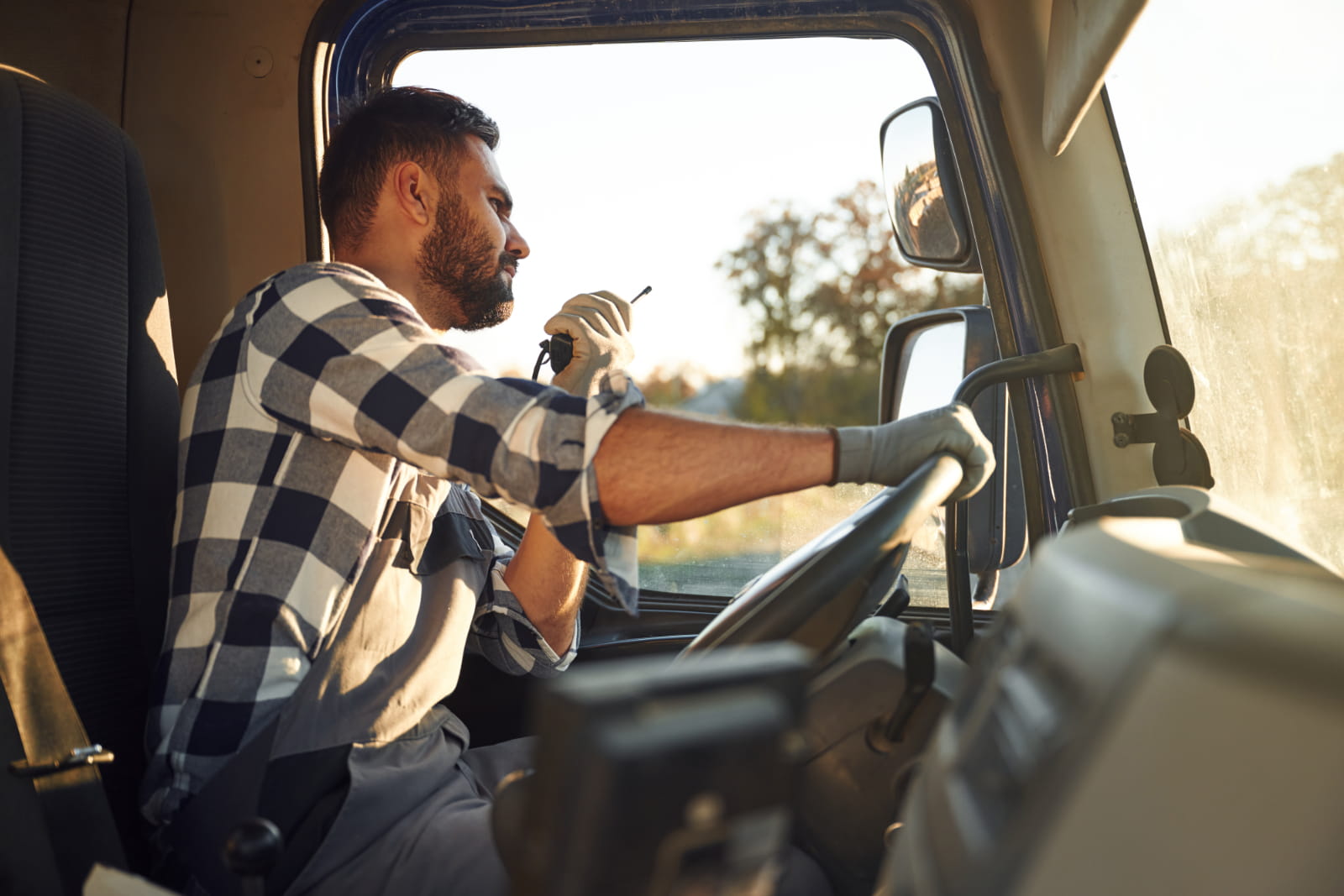
4 Reasons Your Truck Lifts Need Remote Operating Tools
Optimising a modern logistics fleet requires a balance between heavy-duty hardware and smart control interfaces. While many operators focus solely on the lifting capacity of their truck lifts, the way an operator interacts with that machinery on a busy South African roadside is just as important. Choosing to equip your vehicles with both foot switches and handheld remotes is not just about convenience; it is a strategic move to improve safety and speed during every delivery cycle.
Having both systems available allows your team to adapt to the specific needs of the cargo and the environment. Whether they are dealing with high-volume retail deliveries in Johannesburg or moving heavy machinery on a sloped surface in Cape Town, the right control method is always at their fingertips (or under their boots). This dual-approach ensures that your truck lifts remain versatile assets rather than bottlenecks in your supply chain.
1. Hands-Free Stability with Integrated Foot Switches
One of the biggest challenges when operating truck lifts is managing bulky or unstable cargo while trying to trigger the lift mechanism. Foot switches are installed directly onto the platform surface, allowing the operator to keep both hands firmly on the pallet jack or the load itself. This is particularly useful for FMCG and food transport sectors where items are often stacked high and prone to shifting if the platform jolts during the initial lift.
The mechanical simplicity of a foot switch setup makes it an incredibly reliable backup for high-frequency urban routes. Since each switch typically handles a single dedicated function, such as raising or lowering the platform, there is very little room for operator error. By placing their weight on the corresponding switch, the driver can maintain a stable stance and keep their eyes fixed on the cargo, ensuring that nothing slides off the edge as the platform moves between the ground and the vehicle bed.
- Fixed Position: Switches are bolted to the platform, ensuring they are always available.
- Tactile Control: Operators feel the click of the switch through industrial footwear.
- Dual-Function: Typically configured in sets of two for simple Up and Down movement.
- Rugged Build: Designed to withstand heavy tread and environmental debris.
Because they are designed to withstand the heavy tread of industrial work boots, they offer a rugged solution that stays with the vehicle at all times. This ensures that even if a handheld remote is being charged or is temporarily out of reach, your truck lifts remain fully operational and safe to use.
2. The Safety Vantage Point of Handheld Remotes
While foot switches are perfect for close-quarters stability, handheld remotes provide the operator with a superior vantage point. Using a remote allows the driver to stand several metres away from the moving parts of the truck lifts, providing a clear view of the entire working area. This distance is vital for spotting potential “pinch points” or obstacles that might be hidden from someone standing directly on the platform, such as a low-hanging branch or a pedestrian walking behind the vehicle.
Modern handheld units are designed with advanced safety logic, including the “maintained” or “dead man’s switch” configuration. This means the lift only moves as long as the button is actively held down, providing immediate stopping power the moment the button is released. When combined with a handheld remote, this logic gives the operator total control from the safest possible position, allowing them to stop the cycle instantly if they notice the load beginning to tilt.
- Wireless Range: High-frequency radio allows for 360-degree mobility around the truck.
- Emergency Stop: Integrated “Stop” buttons provide instant hydraulic shutdown.
- Visual Oversight: Permits checking of rear-door clearance from a safe distance.
- Ergonomic Grip: Weighted and shaped for secure handling in wet or oily conditions.
By giving your drivers the freedom to move around the rear of the truck while maintaining a rock-solid connection to the lift, you significantly reduce the risk of accidents caused by limited visibility or restricted movement.
3. Redundancy and Reliability in Harsh Environments
South African road and weather conditions can be incredibly demanding on hydraulic and electrical components. Equipping truck lifts with two different control methods provides an essential layer of redundancy that keeps your fleet moving even if one system fails. If a handheld remote is damaged or its cable is snagged during a delivery, the operator can simply switch to the foot controls to finish the job, preventing expensive delays and keeping your delivery schedule on track.
This dual-system approach is especially beneficial for vehicles operating in coastal regions like Durban or Port Elizabeth, where salt air and high humidity can accelerate the wear on electrical contacts. Foot switches are often built with high-tier ingress protection to keep out dust and moisture, while handheld remotes can be stored safely in the cab when not in use. Having a “plan B” built into every vehicle ensures that your logistics operation remains resilient against the minor technical hiccups that are common in the field.
- System Fail-Safe: Prevents “vehicle-off-road” (VOR) status if one controller breaks.
- Weather Protection: Components are treated with Zinc-Nickel or Protection Plus finishes.
- Diagnostic Ease: Allows technicians to isolate faults between wired and wireless circuits.
- Operational Longevity: Distributes wear across two separate interface systems.
By splitting the operational load between two different interfaces, you reduce the overall stress on any single component. This balanced usage helps to extend the lifespan of the entire control system for your truck lifts, leading to a better return on your investment over time.
4. Maximising Efficiency for Multi-Person Loading
In many high-volume logistics scenarios, loading and unloading is a team effort involving both a driver and a warehouse assistant. Having multiple control options means that one person can manage the handheld remote from the ground while another person stands on the platform to guide the pallet into place using the foot switches. This coordination significantly speeds up the turnaround time at each stop, allowing your fleet to complete more deliveries in a single day without compromising on safety protocols.
This flexibility also makes it easier to train new operators who might find one control method more intuitive than the other. Some drivers prefer the tactile feedback of a handheld unit, while others find the hands-free nature of foot switches more natural for their workflow. By providing both, you empower your staff to work in a way that feels most comfortable to them, which often leads to higher morale and fewer mistakes during the heavy lifting phases of their shift.
- Parallel Tasks: One person spots hazards while the other manages the load positioning.
- Fast Turnaround: Reduces the time spent climbing on and off the vehicle bed.
- Custom Workflows: Adapts to side-loading or rear-loading configurations instantly.
- Training Versatility: Supports different learning styles for new logistics personnel.
The combination of foot and handheld controls turns your truck lifts into highly adaptable tools that can handle everything from a single small parcel to a full stack of industrial pallets.
Where Can I Get A Tail Lift With Remote Control Operation?
If you are looking to upgrade your fleet with these advanced control systems, Dhollandia SA is the leading authority in the region. They manage a product range that covers everything from light 150 kg van lifts to heavy-duty 16,000 kg industrial solutions. Their expertise ensures that every lift is fitted with the right combination of hand and foot controls to suit your specific vehicle and cargo requirements, using components like hard-chromed stainless steel piston rods to ensure long-term durability.
Dhollandia SA provides a full-service package that goes far beyond the initial sale, supported by over 20 years of combined team experience. With established branches in Johannesburg, Durban, Cape Town, and Port Elizabeth, they offer a national footprint that is vital for South African logistics companies. Their focus on superior finishes, such as Hot-Dip Zinc Plating, ensures that your truck lifts remain protected against the high-humidity environments of the coast and the dusty conditions of the interior.
Their commitment to keeping your fleet moving is backed by a 24-hour national breakdown service and a deep inventory of Pommier accessories and multi-brand spare parts. This level of support minimises downtime, with real-world data showing that proactive maintenance and accessible technical support can significantly reduce unexpected vehicle-off-road incidents. By choosing a partner with this level of local dedication and international strength, you can be confident that your equipment will perform reliably for years to come.
Better Interaction, More Safety
Investing in both foot switches and handheld remotes is a clear way to boost the safety and speed of your logistics operations. By providing your drivers with multiple ways to interact with their truck lifts, you ensure they have the right tool for every situation, whether they need hands-free stability or a wide-angle view of the site. This dual-control strategy is a simple but effective way to protect your cargo, your equipment, and most importantly, your people.
At Dhollandia SA, we are ready to help you find the perfect lifting solution for your business. We combine decades of local experience with the world-class engineering needed to handle the unique challenges of the South African transport industry. If you want to make your loading and unloading operations safer and more efficient, please get in touch with us today so we can discuss the best options for your fleet.