How Remote-Control Hydraulic Lifts Are Shaping Cargo Handling
Remote-control tail lifts are reshaping how businesses use hydraulic lifts to move goods safely and efficiently. In today’s logistics environment, speed, safety, and reliability are critical, and traditional manual handling methods often fall short. By combining proven hydraulic systems with modern remote-control technology, companies can handle heavier loads with greater ease while reducing operational risks.
As industries like transport, warehousing, and construction expand, the demand for smarter lifting solutions continues to grow. Remote-controlled hydraulic lifts offer improved flexibility, allowing operators to work more efficiently in tight or complex environments. This shift is helping businesses streamline workflows, reduce labour strain, and improve overall productivity.
Understanding Hydraulic Lifts and Tail Lift Systems
What Are Hydraulic Lifts and How Do They Work?
Hydraulic lifts use pressurised fluid to generate force and lift heavy loads. In tail lift systems, a motor powered by the vehicle battery drives a pump that pressurises hydraulic oil. This oil is directed through control valves into cylinders, which move the platform up or down smoothly. This process allows operators to lift heavy cargo with minimal effort and high precision.
The system is built around key components such as a DC motor, gear pump, valve block, and hydraulic cylinders. Each component plays a role in converting electrical energy into mechanical movement. Because of this design, hydraulic lifts can handle significant loads while maintaining stability, even under demanding conditions.
In real-world logistics, hydraulic tail lifts can handle loads ranging from as little as 150 kg to as much as 16,000 kg, depending on the model. This wide range makes them suitable for everything from small delivery vans to large commercial trucks, proving their importance across industries.
The Role of Tail Lifts in Cargo Handling
Tail lifts are mounted at the rear of vehicles and are used to move goods between ground level and the vehicle bed. They eliminate the need for manual lifting or additional equipment, such as forklifts, especially in locations without loading docks. This makes them essential for last-mile delivery and urban logistics.
In South Africa and globally, tail lifts are widely used in logistics, construction, and retail sectors. Studies show that mechanised loading systems can significantly reduce loading times compared to manual handling, improving delivery turnaround and operational efficiency.
Different types of tail lifts, including cantilever, slider, column, and fold-away designs, allow businesses to match equipment to their specific needs. This flexibility ensures that companies can optimise their operations based on cargo type, vehicle size, and working environment.
Why Efficiency Matters in Modern Logistics
Efficiency in cargo handling directly impacts delivery speed, operational costs, and customer satisfaction. Delays during loading and unloading can disrupt supply chains and increase expenses, particularly in high-volume operations.
Hydraulic lifts improve efficiency by reducing manual labour and speeding up the handling process. According to industry data, improper manual handling is a leading cause of workplace injuries, which can lead to downtime and additional costs. By automating lifting tasks, businesses can reduce these risks while improving productivity.
As logistics demands continue to increase, companies are under pressure to deliver faster and more reliably. Investing in advanced lifting solutions, such as remote-controlled systems, helps businesses stay competitive while maintaining high safety standards.
The Rise of Remote-Control Operation in Hydraulic Lifts
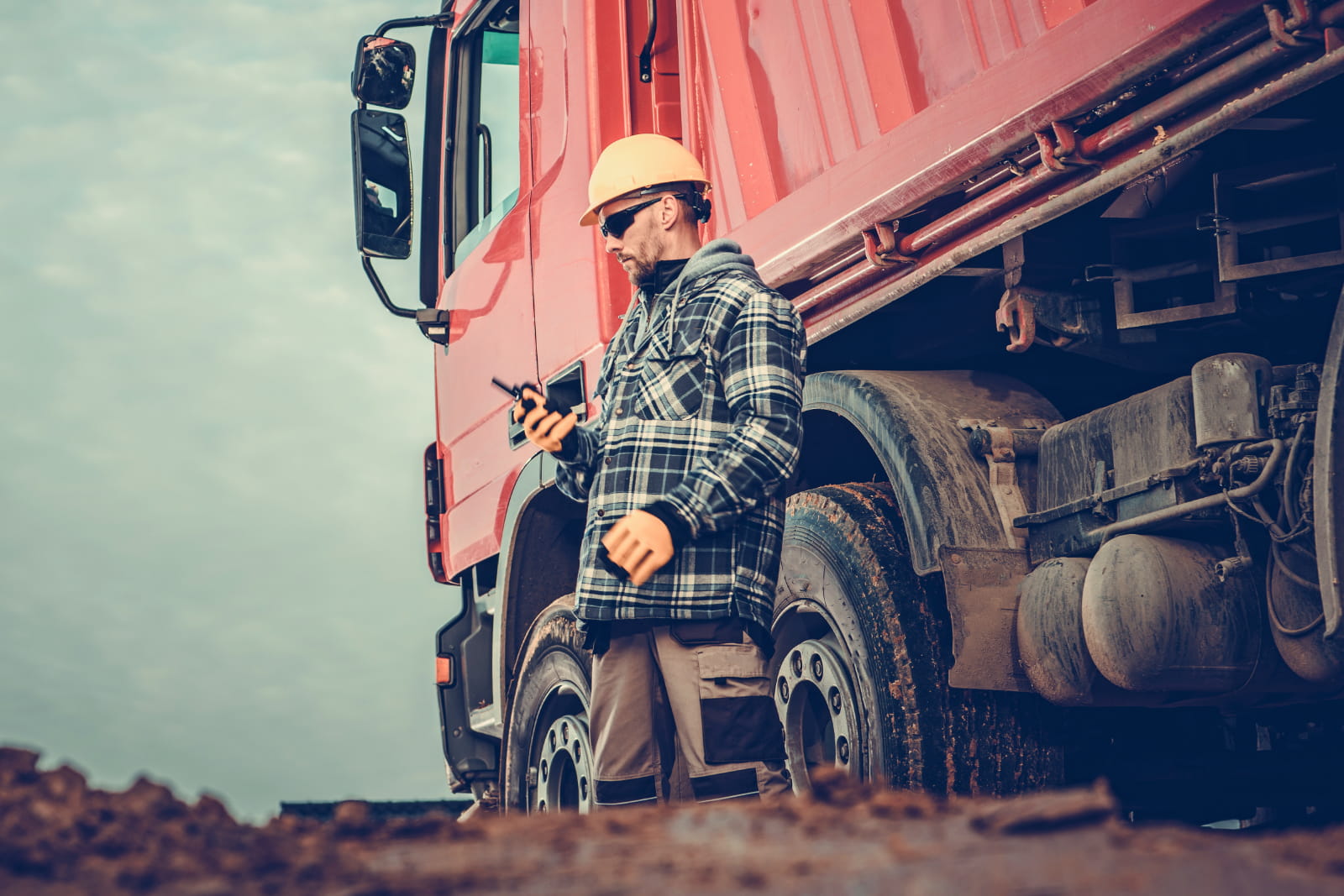
Remote-control technology is becoming increasingly common in hydraulic lifts, allowing operators to manage lifting functions from a distance. This development is driven by the need for safer and more flexible working conditions, particularly in busy or confined environments. Wireless systems use transmitters and receivers to send commands, enabling smooth and precise control of lift movements.
As logistics operations grow more complex, remote-control systems provide a practical solution for improving workflow. Operators can position themselves for better visibility and safety while maintaining full control of the lift. This is especially useful in environments where space is limited or where multiple tasks are happening at once.
- Wireless remote controls use radio signals to operate lifts from a distance
- Hand controllers offer simple push-button operation with ergonomic design
- Foot switches allow hands-free control during loading
- Remote systems improve visibility and operator positioning
- Modern systems include safety features like overload protection and emergency stops
Remote-control operation is not just about convenience. It is also about improving safety and efficiency. By reducing the need to stand close to moving equipment, operators can avoid potential hazards while maintaining control over the lifting process.
Benefits of Remote-Control Hydraulic Lifts
Remote-controlled hydraulic lifts offer a range of advantages that directly improve cargo handling operations. By simplifying the way lifts are operated, these systems reduce the time and effort required to complete tasks. This is particularly important in industries where speed and reliability are essential.
Businesses that adopt remote-control systems often see improvements in both productivity and safety. With less physical strain on workers and fewer manual handling risks, operations become smoother and more efficient. This makes remote-controlled lifts a valuable investment for any organisation handling heavy goods.
- Faster loading and unloading times
- Reduced physical strain on operators
- Improved safety through distance operation
- Greater flexibility in tight or busy environments
- Lower risk of workplace injuries
- Enhanced control and precision during operation
These benefits translate into real-world gains. Studies in transport and logistics show that reducing manual handling can significantly lower injury rates and improve overall efficiency. By integrating remote-control technology, businesses can achieve better performance while protecting their workforce.
Choosing the Right Hydraulic Lift for Your Needs
Understanding Load Capacity and Requirements
Choosing the right hydraulic lift starts with understanding your load requirements. Tail lifts are available in capacities ranging from 150 kg to 16,000 kg, with most logistics operations typically using lifts between 500 kg and 3000 kg. Selecting the correct capacity ensures safe and efficient operation.
Load distribution is equally important. Placing heavy items too far from the vehicle can reduce lifting capacity and increase stress on the system. Industry data shows that improper load positioning is a common cause of equipment strain and failure.
By carefully assessing your cargo type and weight, you can choose a lift that meets your needs without overloading the system. This helps extend the lifespan of the equipment and ensures reliable performance.
Matching Lift Types to Applications
Different lift types are designed for specific applications. Cantilever lifts offer tilting capabilities, making them suitable for uneven surfaces. Slider lifts provide easy access to loading docks, while fold-away lifts maximise space when not in use.
Column lifts are ideal for vertical lifting and can be customised with additional features such as safety rails and ramps. Each type offers unique advantages, allowing businesses to select the most suitable option for their operations.
Choosing the right type of lift ensures that your equipment matches your workflow. This improves efficiency and reduces the risk of operational issues.
Key Features to Look For
When selecting a hydraulic lift, it is important to consider features such as durability, corrosion resistance, and safety systems. High-quality finishes, such as zinc plating and stainless steel components, help protect the lift in harsh environments.
Additional features like anti-slip platforms, safety rails, and adjustable controls improve usability and safety. Remote-control capability is also an important feature for modern operations, offering greater flexibility and efficiency.
Investing in the right features ensures long-term reliability and performance. It also reduces maintenance costs and downtime, providing better value over time.
Where Can I Get A Tail Lift With Remote Control Operation?
We provide a complete range of hydraulic lifts designed to meet the demands of modern cargo handling. Our solutions combine durable engineering with advanced control systems, including remote operation, to improve efficiency and safety across various industries.
With branches across South Africa and strong industry experience, we understand the challenges businesses face in logistics and transport. We focus on delivering tailored solutions that match your fleet requirements, ensuring reliable performance in real-world conditions.
- Wide range of tail lifts from 150 kg to 16,000 kg
- Customisable hydraulic, electrical, and mechanical options
- Full installation, maintenance, and repair services
- 24-hour national breakdown support
- Expertise across multiple lift types and applications
- Strong focus on safety, reliability, and customer support
We work closely with our clients to ensure they get the right lifting solution for their needs. Our goal is to maximise efficiency, reduce downtime, and provide long-term value through high-quality products and dedicated service.
Take Control
Remote-control tail lifts are transforming how businesses use hydraulic lifts to manage cargo efficiently. By combining powerful hydraulic systems with flexible control options, they help improve safety, reduce labour strain, and speed up operations across a wide range of industries.
As the demand for faster and safer logistics continues to grow, investing in modern lifting solutions is essential. If you are looking to upgrade your equipment, we are here to help. Get in touch with us today to find the right hydraulic lift solution and take your cargo handling efficiency to the next level.