
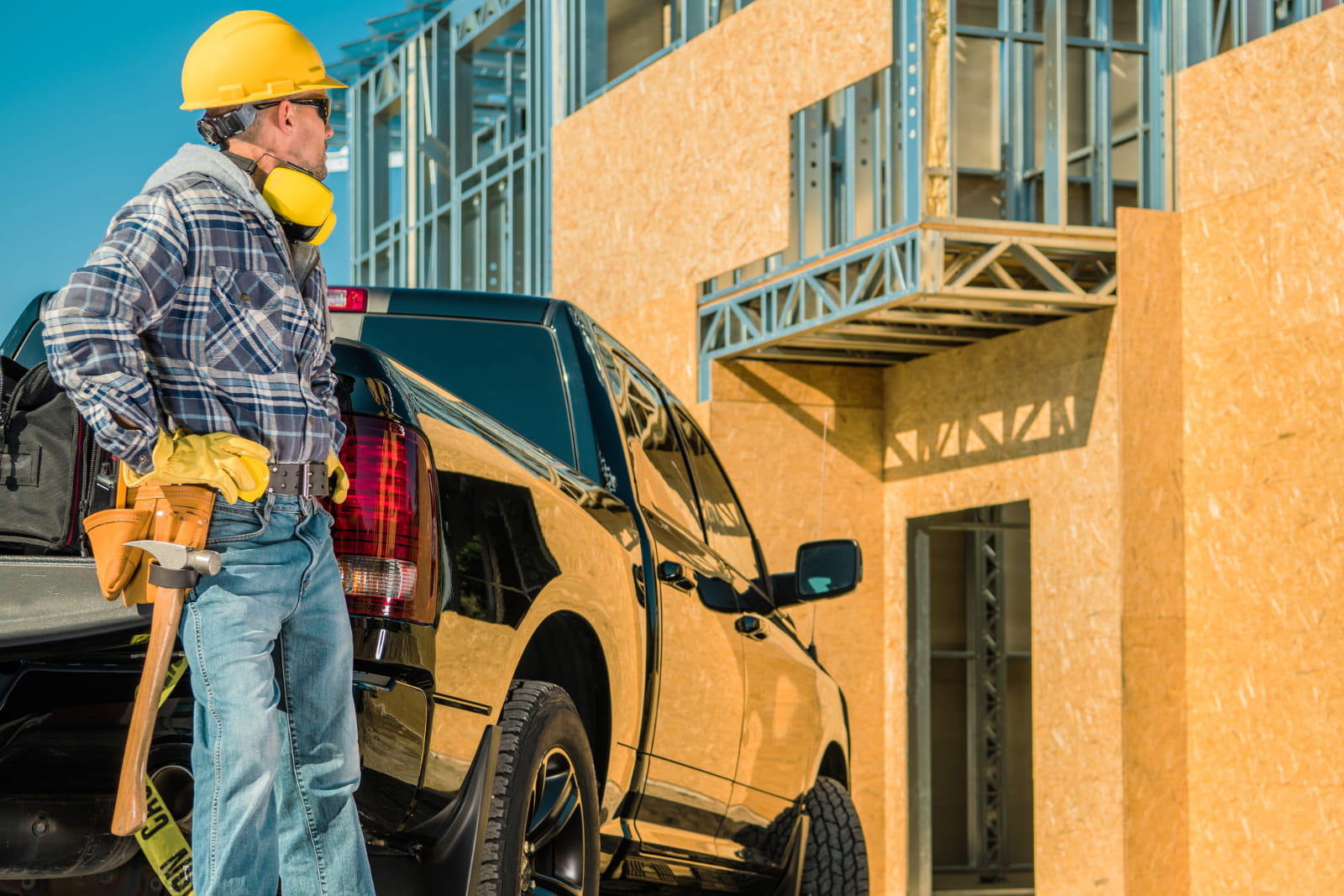
Tail Lifts and Construction: Reducing Manual Handling on Site
The tail lift is becoming a practical part of construction logistics because it helps move heavy materials from truck bed to ground level without relying on manual lifting. On many South African building sites, deliveries include cement, tiles, pipes, boards, generators, compressors, machinery and metal sections. These loads are often too heavy, awkward or risky to move by hand, especially when there is no loading bay, ramp or forklift available.
Manual handling slows work down and puts people at risk. A properly selected tail lift gives construction teams a controlled way to unload materials, reduce strain, protect goods and keep projects moving. For fleet owners and site managers, this is not only about convenience. It is about safer deliveries, fewer delays and better use of vehicles, drivers and site labour.
Why Manual Handling Is a Serious Construction Risk
Construction deliveries are rarely light or predictable. A single pallet of tiles, cement board or building supplies can weigh hundreds of kilograms, while equipment such as generators, compressors and machinery can go well beyond that. When workers have to lift, drag, lower or guide these loads by hand, the risk of back injuries, shoulder strain, crushed fingers, slips and dropped materials increases quickly.
The safety picture in South African construction shows why safer handling systems matter. A 2025 construction health and safety paper reported that, among 298,069 insured construction workers in 2024, the fatality rate was 20.1 per 100,000 workers, the accident rate was 2.19 per 100 workers and the disabling injury incidence rate was 0.29 per 100 workers. These figures highlight the need for practical controls that reduce unnecessary physical strain on site.
The sector is also under pressure to improve productivity. Construction gross value added fell by 5.1% in 2024, while the sector’s contribution to GDP dropped from 3.5% in 2014 to 2.2% in 2024. With more than R1 trillion allocated to infrastructure over the 2025 medium-term spending period, construction logistics needs to become safer, faster and more reliable if projects are going to keep pace with demand.
How Tail Lifts Support Safer Construction Deliveries
Tail lifts are rear-mounted mechanical platforms that raise and lower goods between the vehicle bed and the ground. Instead of workers lifting heavy materials off the back of a truck, the load can be placed on a stable platform and lowered in a controlled way. This reduces manual handling and helps prevent sudden drops, unstable movements and unnecessary strain.
A safe tail lift setup is especially useful on construction sites because unloading areas are not always clean, level or spacious. The right lift gives workers a repeatable process, even when the site has no fixed loading infrastructure.
- Reduce manual lifting, pushing and pulling.
- Lower the risk of back, shoulder and joint injuries.
- Help prevent dropped loads and damaged materials.
- Provide a stable platform for pallets, machinery and bulky goods.
- Allow safer unloading where no ramp or loading bay is available.
- Support controlled lifting and lowering through operator controls.
- Improve safety when paired with training, maintenance and clear load limits.
Tail lifts should still be used with care. Operators need to understand the rated capacity, load centre, platform size and safe working process before using the lift. The safest results come when the equipment, operator training and maintenance plan work together, rather than treating the lift as a quick shortcut.
Choosing the Right Tail Lifts for Construction Vehicles
Choosing the right tail lifts starts with the load, not just the vehicle. Construction fleets may carry cement, tiles, pipes, aluminium sections, boards, machines, tools and mixed heavy goods. Many construction applications need higher-rated lifting equipment, often around 1,500 kg to 2,000 kg, depending on the type of work, load centre and how the vehicle is used each day.
It is also important to compare the truck’s payload with the lift’s safe working capacity. A box truck may be able to carry 1,000 kg to 2,500 kg or more, while the lift itself may only safely raise a smaller load depending on its type and configuration. This means a vehicle can legally carry more than its tail lift can safely handle at one time.
Fleet managers should also consider platform width, platform depth, ground clearance, loading height, daily lift cycles, operator access and site conditions. Dust, uneven ground and repeated heavy lifting can all affect long-term reliability. A lift that works well for light parcel delivery may not be suitable for heavy construction materials used on rougher sites.
Matching Tail Lift Types to Site Conditions
Different tail lifts suit different construction environments. Some sites need tilting ability, some need strong vertical lifting and others need clear access to the cargo space when the lift is not being used. Matching the lift type to the site makes unloading safer and more efficient.
The best choice depends on how the vehicle works in the real world, including whether it loads at docks, stops at open sites, carries pallets, moves machinery or operates on uneven ground.
- Cantilever lifts are useful where tilting is needed or where uneven ground makes loading awkward.
- Column lifts suit strong vertical lifting and can be useful for heavier commercial work.
- Slider lifts help where quick access to the cargo space is important.
- Fold-away lifts store under the vehicle and keep rear access open when not in use.
- Van lifts suit commercial vans that need compact lifting support.
- Passenger lifts are used for specialist vehicle access needs and require proper measurement and setup.
For construction fleets, the lift should be selected around real delivery conditions rather than a basic product category. A site that handles cement and tiles every day has different needs from a fleet that moves tools, light equipment or mixed building supplies. The right match improves safety, protects the lift and helps keep vehicles productive for longer.
Using Tail Lifts to Improve Productivity on Site
Tail lifts improve productivity by reducing the time spent waiting for extra unloading equipment. If a truck arrives with its own lifting platform, the driver and site team can unload in a more controlled way without depending on a forklift, ramp or large group of workers. This is useful for smaller sites, temporary work areas and locations where access changes throughout the project.
Mechanical lifting platforms have been linked to loading and unloading time reductions of up to 30% per stop. On a single delivery, that may feel like a small saving. Across multi-stop routes, busy construction suppliers and repeat daily deliveries, it can make a meaningful difference to route planning, driver fatigue and vehicle utilisation.
The productivity gains also come from fewer damaged goods and fewer interruptions. When materials are dropped, mishandled or delayed, teams may need to reorder stock, wait for replacements or pause work. Tail lifts help make unloading more predictable, which supports better scheduling and reduces the chance of site teams standing around while materials are still on the truck.
Safe Operation of Tail Lifts on Construction Sites
Safe operation begins before the platform is lowered. The operator should check the load weight, confirm that it falls within the rated lift capacity and make sure the load is positioned correctly on the platform. Weight should be distributed evenly and kept within the correct load centre to prevent instability.
The vehicle must also be stable before unloading starts. Brakes should be engaged, the unloading area should be checked and workers should stay clear of platform edges, pinch points and moving parts. On construction sites, ground conditions can change quickly, so extra care is needed on slopes, loose gravel, mud or uneven surfaces.
Operators should use suitable handling aids where needed, but they must still avoid overloading the lift. Pallet jacks, trolleys and restraints can support safer handling, but they add weight to the platform and must be included in the total load calculation. Training is essential because even a strong tail lift can become unsafe when used beyond its limits or without proper control.
Practical Safety Checks Before Every Lift
Before using tail lifts, operators should carry out a quick visual and functional check. This does not replace scheduled servicing, but it helps spot obvious faults before a load is placed on the platform. On a construction vehicle, these checks are especially important because dust, grit and heavy use can increase wear.
A simple routine can prevent many avoidable problems and make operators more confident before unloading starts.
- Check for visible platform damage, cracks or loose sections.
- Look for hydraulic oil leaks around hoses, seals and cylinders.
- Test that the controls respond smoothly.
- Confirm that emergency stop functions are working.
- Check that hinges, joints and pins are not loose or badly worn.
- Make sure the platform surface is clear, stable and not slippery.
- Confirm the unloading area is clear of people, debris and obstacles.
- Check that the load is within the safe working limit and correctly positioned.
If anything looks unsafe, the lift should not be used until it has been checked properly. A delayed delivery is less costly than an injury, damaged cargo or a vehicle taken out of service because of avoidable equipment failure.
Maintaining Tail Lifts in Dusty Construction Environments
Construction sites are hard on lifting equipment. Dust, grit, mud, vibration, heavy loads and uneven surfaces can wear down hydraulic systems, seals, hinges, pins, pistons and electrical components. If dust enters the hydraulic system, it can affect pressure, damage valves and reduce the lift’s reliability.
General maintenance guidance often recommends servicing at least once a year or every 1,000 to 2,000 operating hours, depending on usage. Construction vehicles may need more frequent inspections because they often work in harsher conditions than standard delivery fleets. High daily lift cycles, dusty access roads and heavy materials can all shorten the time between service needs.
A practical maintenance plan should include hydraulic hose checks, oil level monitoring, seal inspections, lubrication of moving parts, platform inspections, control checks and safety feature testing. Hinges, joints and pistons should be lubricated regularly to reduce friction and wear. Small faults should be repaired early, as a failed lift can delay deliveries, increase costs and leave a vehicle unavailable when the site needs it most.
Where Can I Get A Tail Lift Designed For Construction Vehicles?
At Dhollandia SA, we help businesses choose tail lift solutions that suit their vehicles, loads and working conditions. We are the authorised Dhollandia dealer in South Africa, formerly known as DH Lifts, and we support customers through branches in Johannesburg, Durban, Cape Town and Port Elizabeth. Our team combines local knowledge with the strength of an international tail lift brand.
We look at more than the vehicle model. Construction fleets need practical advice based on what they carry, where they deliver and how often the lift will be used.
- Tail lift supply and professional installation.
- Support for vans, commercial trucks and heavy-duty vehicles.
- Cantilever, slider, fold-away, column, van and passenger lift options.
- Guidance on matching lift type to construction applications.
- Maintenance, servicing and repairs.
- Warranty assistance on Dhollandia tail lifts.
- Support for selected other lift brands.
- 24-hour national breakdown support.
- Branch support in Johannesburg, Durban, Cape Town and Port Elizabeth.
The broader Dhollandia product range includes lift capacities from 150 kg to 16,000 kg, with more than 100 tail lift options available. We also focus on long-term durability through features such as low-maintenance bearings, grease nipples at critical articulation points, hard-chromed stainless-steel piston rods, hot-dip zinc-plated finishes, Protection PLUS finishes and Zinc-Nickel surface treatment on many steel components.
Stronger Sites Start with Smarter Lifting
Tail lifts give construction businesses a safer and more efficient way to handle heavy deliveries on site. By reducing manual handling, tail lifts help protect workers, lower the risk of damaged goods and make unloading more predictable when there is no ramp, loading bay or forklift available.
The best results come from choosing the right lift, using it correctly and maintaining it properly. If your construction vehicles need a lifting solution built around real site conditions, we can help. Get in touch with Dhollandia SA to discuss your fleet, your load requirements and the safest tail lift setup for your business.
FAQs About Tail Lifts
A tail lift is a mechanical platform fitted to the rear of a truck, van or commercial vehicle. It raises and lowers heavy goods between the vehicle bed and ground level, helping workers avoid lifting loads by hand. On construction vehicles, tail lifts are used for materials such as cement, tiles, pipes, generators, boards, compressors and machinery. They are especially useful on sites without loading bays, ramps or forklifts. By creating a controlled lifting process, they reduce manual handling, protect goods from damage and make deliveries safer, quicker and more predictable for drivers and site teams.
Tail lifts are important because construction deliveries often involve heavy, awkward and high-value materials that are difficult to unload safely by hand. Without proper lifting equipment, workers may need to drag, carry or lower goods from truck height, increasing the risk of back injuries, crushed fingers, slips and dropped loads. A tail lift gives the team a stable platform for moving materials in a controlled way. This helps reduce physical strain, speeds up unloading and keeps work moving when no forklift or ramp is available. It also supports safer, more professional construction logistics on busy or uneven sites.
The best tail lift depends on the vehicle, load type, site conditions and how often the lift will be used. Cantilever lifts are useful for construction sites because they can tilt, which helps on uneven ground or when creating a ramp-like loading angle. Column lifts suit strong vertical lifting and heavier commercial work. Slider lifts are helpful where quick access to the cargo space is needed. Fold-away lifts store under the vehicle, keeping rear access open when not in use. The right choice should consider lifting capacity, platform size, load centre, ground clearance, daily lift cycles and maintenance requirements.
Tail lift capacity varies widely depending on the model, vehicle and application. Smaller lifts may handle lighter loads for vans and service vehicles, while heavy-duty construction lifts are often selected for loads around 1,500 kg to 2,000 kg or more. Some specialist ranges offer much higher capacities for demanding industrial uses. It is important to remember that a truck’s payload capacity is not the same as the lift’s safe working load. A vehicle may legally carry more than the tail lift can raise at once, so operators must always check the lift rating, load centre and manufacturer guidelines.
Tail lifts reduce manual handling by allowing heavy goods to be lowered from the vehicle bed to ground level mechanically, instead of being lifted, dragged or carried by workers. This is useful for construction materials that are bulky, fragile or too heavy to move safely by hand. With a stable platform and controlled movement, loads can be handled more carefully and with less physical effort. This lowers the risk of strains, slips, trips and dropped materials. It also helps smaller teams unload more efficiently, especially on sites without fixed loading equipment or enough space for larger machinery.
Tail lifts used in construction should be inspected and maintained regularly because dust, grit, heavy loads and uneven ground can increase wear. Operators should check for visible damage, hydraulic leaks, worn hinges, loose pins, faulty controls and slippery platform surfaces before use. Scheduled maintenance should include hydraulic hose checks, oil level monitoring, seal inspections, lubrication of moving parts, electrical testing and safety feature checks. Construction vehicles may need more frequent servicing than standard delivery vehicles because they work in harsher conditions. Early repairs help prevent breakdowns, reduce downtime and keep the lift safe, reliable and ready for daily use.