Where Can I Get a Tail Lift With Remote Control Operation?
A tail lift with remote control operation is a smart choice for any business that wants safer, quicker and easier loading. It helps move goods between the ground and the vehicle bed without heavy manual lifting, making it useful for pallets, packages, roll containers, machinery, commercial supplies and refrigerated goods.
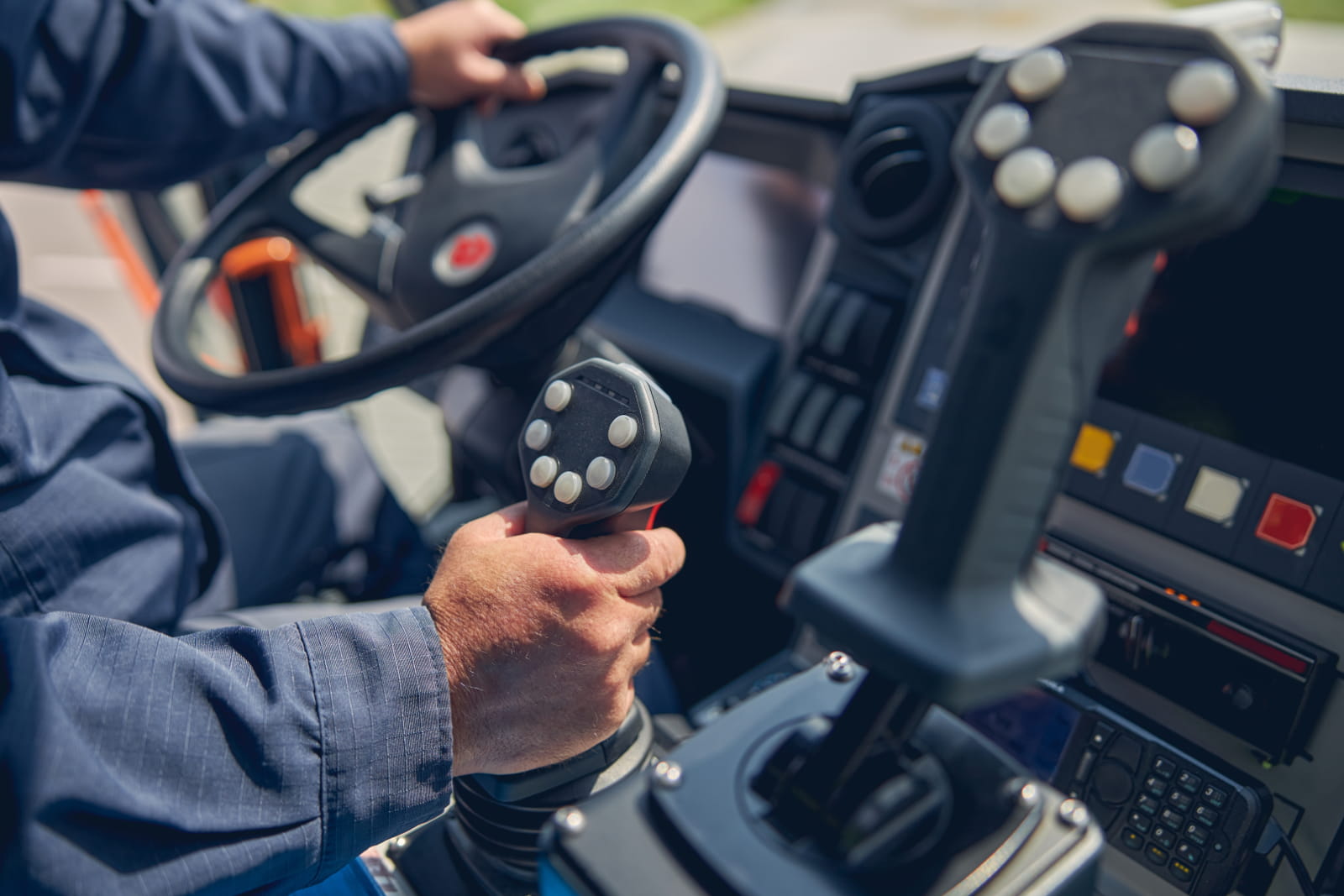
Remote control operation makes the job even easier because the operator can manage the lift from a safer and more practical position. Instead of staying fixed beside the vehicle, they can stand where they have a better view of the platform, the load and the surrounding area.
How a Remote Control Tail Lift Works
A remote control tail lift uses a control system to activate the lifting functions on the vehicle. In many setups, the operator uses a handheld transmitter or remote control while a receiver fitted to the lift responds to the command. When a button is pressed, the system activates the required function, such as raising, lowering, tilting or stopping the platform.
Most tail lifts are hydraulic, mechanical or electrical, depending on the vehicle and application. Standard tail lift capacities can range from small van solutions of around 150 kg to heavy-duty units of up to 16,000 kg, depending on the product range and configuration. This wide range matters because a delivery van and a large commercial truck have very different lifting needs.
In day-to-day work, the process is simple. The platform is lowered to the ground, cargo is moved onto it, and the lift raises the load to the vehicle floor. Once the goods are safely loaded or unloaded, the platform is folded, tucked away, stored below the chassis or raised at the rear, depending on the lift type.
Why Choose a Tail Lift With Remote Control Operation?
A tail lift already improves loading by reducing manual handling, but remote control operation adds extra convenience and control. It helps operators work from a position where they can see the load clearly, avoid awkward movements and react faster if something needs attention.
- Better visibility when loading and unloading cargo
- Less physical strain on drivers and operators
- Safer distance from moving parts and pinch points
- Faster loading cycles during busy delivery routes
- Easier handling of pallets, trolleys and roll containers
- More practical use in tight yards, docks and delivery areas
This is especially useful in logistics, retail, food transport and construction supply work, where vehicles may load and unload many times a day. Even small time savings per stop can make a big difference across a full fleet, especially when the same process is repeated across multiple vehicles and shifts.
Common Control Options for a Tail Lift
There is no single control setup that suits every tail lift. The right option depends on the load, vehicle type, site conditions and how often the lift is used. Some operators prefer fixed controls for simple rear loading, while others need remote control operation for better movement and visibility.
- External fixed controls for standard rear or side operation
- Hand controllers with simple push-button operation
- Wired pendant controls for close, precise lift control
- Foot switches to keep hands free during loading
- Wireless remote controls for flexible operator positioning
- Combined control setups for added practicality
A good control system should feel simple, clear and safe. The operator should know exactly which button controls each function, and the setup should match the way the vehicle is used every day. For heavier loads, frequent delivery work or awkward loading areas, remote control operation can be a very practical upgrade.
Which Tail Lift Type Is Best for Your Vehicle?
The best tail lift depends on the vehicle, the cargo and the working environment. A light commercial vehicle carrying parcels will not need the same lift as a truck handling heavy machinery or construction materials. That is why the correct choice should be based on more than lifting capacity alone.
Cantilever lifts are a popular choice for many commercial vehicles because they can lift, lower and tilt the platform. Dhollandia cantilever lift options range from 500 kg to 3,000 kg and are suitable for vehicles with gross vehicle weights between 7.5 and 11.5 tonnes. Their four-cylinder design supports stable platform movement, while aluminium or steel platform options allow the lift to be matched to lighter or tougher applications.
Slider lifts are suited to heavy-duty work and operations that need clear rear access or frequent loading dock use. Dhollandia slider lifts cover capacities from 1,000 kg to 3,000 kg. Fold-away lifts store below the truck chassis and are useful when the cargo area must stay accessible. Column lifts are designed for commercial vehicles carrying loads from 750 kg to 3,000 kg and offer strong vertical lifting for heavier or more sensitive cargo.
What to Check Before Choosing a Tail Lift
Choosing the right tail lift starts with the load. The lift must be able to handle the heaviest cargo safely, including pallets, trolleys and handling equipment. It is also important to think about platform size, deck height, vehicle clearance and how often loading takes place.
- Maximum load weight
- Platform width and depth
- Vehicle type and chassis layout
- Rear access requirements
- Loading dock use
- Cargo type and size
- Control system preference
- Hydraulic, mechanical or electrical operation
- Maintenance access
- Corrosion protection and finish
The working environment also matters. Urban delivery vehicles may need a compact lift that does not block access, while refrigerated vehicles may need specific mounting options. Heavy-duty transport may require steel platforms, higher capacity and extra safety features. A well-matched lift will be easier to use, safer to operate and more cost-effective over time.
Safety and Practical Features to Look For
A reliable tail lift should support safe and smooth daily use. This means looking beyond the lifting capacity and checking how the lift is built, protected and controlled. Practical details can make a big difference when the lift is used in rain, dust, cold weather or busy loading areas.
- Anti-slip platform surfaces
- Electrical safety valves
- Manual emergency operation
- Stable level ride
- Automatic ground-level tilt
- Guardrails where needed
- Synthetic rollers for ground contact
- Low-maintenance bearings
- Grease nipples at key articulation points
- Hard-chromed stainless-steel piston rods
- Hot-dip zinc-plated, galvanised or protective finishes
These features help protect both the operator and the equipment. For example, anti-slip surfaces improve footing, while corrosion protection helps extend the lift’s working life. Safety valves and emergency operation options are also important because they give the operator more control if something unexpected happens.
How Remote Control Operation Improves Daily Work
Remote control operation is not just about convenience. It can help make loading more consistent, less tiring and easier to manage. When the operator can choose a better working position, they can see the cargo, platform and surrounding space more clearly.
- Less walking back and forth to fixed controls
- Better view of the loading area
- Easier handling in tight spaces
- Improved control when moving awkward cargo
- Less strain during repeated lift cycles
- Faster loading and unloading on busy routes
- Safer positioning away from the moving platform
For businesses that make frequent deliveries, these small improvements can add up quickly. A driver completing several stops a day benefits from simpler operation, while the business benefits from smoother turnaround times, better vehicle use and reduced risk of avoidable handling delays.
Maintenance Matters for Every Tail Lift
A tail lift works hard, so maintenance cannot be treated as an afterthought. Regular checks help prevent breakdowns, improve safety and extend the life of the lift. In logistics, one vehicle being off the road can delay deliveries, affect customers and increase operating costs.
Basic checks should include looking for leaks, worn parts, damaged wiring, loose fittings and corrosion. Moving parts should be lubricated, hydraulic fluid levels should be checked, and any slow movement, unusual noise or uneven lifting should be dealt with quickly. Proper operator training is also important because the safest lift can still be misused if staff do not understand weight limits and correct loading procedures.
Good maintenance protects the investment. A lift with protective finishes, low-maintenance bearings and stainless-steel piston rods is built for long service, but it still needs care. Keeping a simple inspection routine helps reduce downtime and keeps the vehicle ready for work.
Why Dhollandia SA Is a Smart Tail Lift Partner
At Dhollandia SA, we help businesses choose, install, maintain and repair tail lift solutions for different vehicles and industries. We were established in 2018, formerly known as DH Lifts, and we are the authorised Dhollandia dealer in South Africa.
- We offer tail lift solutions from 150 kg to 16,000 kg
- We support hydraulic, mechanical and electrical options
- We have branches in Johannesburg, Cape Town, Durban and Port Elizabeth
- We offer maintenance, repairs and warranty assistance
- We provide 24-hour national breakdown support
- We service and repair other tail lift brands
- Our team has more than 20 years of combined experience
- We also supply vehicle body equipment and accessories
We understand that every fleet is different. Some customers need a compact van lift, while others need a heavy-duty tail lift for commercial trucks, trailers or refrigerated units. Our role is to help match the right product to the right vehicle, then support it with practical service that reduces downtime and keeps the lift working as it should.
Where Can You Get the Right Tail Lift?
The right place to get a tail lift with remote control operation is from a specialist that understands the vehicle, the load and the long-term service needs. A lift is not just a product fitted to the back of a truck. It is part of the working system that helps goods move safely and efficiently every day.
A proper supplier should look at the cargo weight, platform size, vehicle type, deck height, rear clearance and loading environment before recommending a solution. For example, a fold-away lift may be best when rear access and dock loading are frequent, while a cantilever lift may be better where tilting and ground-level loading are important. Slider lifts can suit heavy-duty applications, while column lifts are useful for strong vertical lifting.
Dhollandia offers more than 100 tail lift options through its South African product range and support network. That choice matters because it means the lift can be matched more closely to the job. With capacities from 150 kg to 16,000 kg available across the wider range, businesses can choose a solution that fits their vehicle today and supports their operations in the long run.
Loading Safer and Faster For Operators
A tail lift with remote control operation can make loading safer, faster and far easier for drivers, operators and fleet teams. It reduces manual handling, improves control and supports better visibility during everyday loading work. When the right lift is matched to the right vehicle, it becomes a practical tool that saves time and protects people.
At Dhollandia SA, we are ready to help customers choose the right tail lift for their vehicle, cargo and working environment. Whether a business needs a new installation, maintenance, repairs or expert advice, we can provide reliable support backed by local service and strong product knowledge. Get in touch with us today and let us help you find a tail lift solution that keeps your fleet moving.
FAQs About Tail Lift
Remote tail lift operation lets an operator control the lift without standing at a fixed control point on the vehicle. A handheld remote or pendant sends commands to the lift’s receiver or control system, allowing actions such as raise, lower, tilt and stop. This gives the operator a better view of the platform, cargo and surrounding area. It is useful when moving pallets, roll containers, packages or heavy goods. Remote operation can improve safety, reduce physical strain and make repeated loading tasks quicker, especially in busy logistics, retail, construction, refrigerated transport and delivery environments where access and visibility matter most.
A remote control tail lift works through a transmitter and receiver setup. The operator presses a button on the handheld control, and the receiver fitted to the tail lift activates the correct function. Depending on the system, this may raise, lower, tilt or stop the platform. The lift itself may be hydraulic, mechanical or electrical. Before use, the vehicle should be stationary, the load should be secure, and the operator should have a clear view of the working area. Once the platform reaches the right height, cargo can be moved safely between the ground and the vehicle bed safely too.
Yes, a remote tail lift is safe to use when it is correctly fitted, maintained and operated by trained staff. The main advantage is that the operator can stand in a safer position with better visibility, away from moving parts and pinch points. Safety depends on following weight limits, placing loads evenly and keeping people clear of the platform. Useful features include emergency stop options, electrical safety valves, anti-slip platforms, guardrails and manual emergency operation. Regular inspections, lubrication and checks for damage, leaks or worn parts are essential to keep the lift reliable and safe during daily use safely too.
Not every tail lift can automatically be operated by remote control. Compatibility depends on the lift model, control box, power system and existing wiring. Some modern tail lifts are designed with remote operation in mind, while older units may need specific adaptations or may not be suitable. It is important to check the exact lift model rather than relying on general brand compatibility. A professional supplier or technician can confirm whether a wireless remote, wired pendant or combined control setup is suitable. The safest option is always to choose a control system that matches the lift and vehicle application properly.
Before buying a remote tail lift, check the vehicle type, chassis layout, cargo weight, platform size and loading environment. The lift must handle the heaviest load safely, including pallets, trolleys or handling equipment. Also consider rear access, loading dock use, ground conditions and whether the vehicle needs a cantilever, slider, fold-away or column lift. For remote operation, confirm the control system is compatible with the lift and suited to daily use. Look for practical safety features, corrosion protection, easy maintenance access and reliable support from a supplier that can install, service and repair the equipment safely over time daily too.
You can get a remote control tail lift in South Africa from a specialist provider that understands commercial vehicles, cargo handling and long-term service needs. Dhollandia SA supplies and supports tail lift solutions for vans, trucks, trailers and refrigerated units, with options across hydraulic, mechanical and electrical systems. The company offers cantilever, slider, fold-away, column, van and passenger lift options, depending on the application. With branches in Johannesburg, Cape Town, Durban and Port Elizabeth, Dhollandia SA also provides maintenance, repairs, warranty assistance and 24-hour national breakdown support to help keep fleets moving safely and efficiently every day nationwide with confidence.