Tail Lifts and South African Safety Standards
Tail lifts make loading and unloading heavy goods faster and more practical, but they also introduce risks that fleet operators cannot afford to ignore. In South Africa, safe operation depends on a combination of suitable equipment, competent operators, workplace procedures, inspections, maintenance and compliance with applicable occupational health and safety requirements. A lift capable of moving hundreds or even thousands of kilograms needs to be treated as working machinery, not simply as another vehicle accessory.
Good safety management therefore starts long before the platform is raised for the first delivery of the day. Fleet managers need to consider who operates the equipment, how loads are positioned, whether inspections are being completed and how quickly defects are repaired. When these controls work together, businesses can make loading operations safer while protecting vehicles, cargo and employees.
What Safety Standards Apply to Tail Lifts in South Africa?
South African businesses using lifting equipment need to work within the wider framework created by the Occupational Health and Safety Act and its associated regulations. The Driven Machinery Regulations are especially important when determining duties relating to lifting machinery, competent operation, inspection and testing. Businesses should establish which provisions apply to their specific equipment rather than assuming that every type of lifting machine is regulated in exactly the same way.
SAQA Unit Standard 123260, Operate Tailgates and Tail-Lifts, provides another useful benchmark for understanding safe operator competence. It is an NQF Level 3 unit standard worth 2 credits and covers subjects such as safe working loads, load centres, inspections, operating procedures and accident response. Although its registration period has ended, SAQA currently lists a last achievement date of 30 June 2029.
Important areas businesses should consider include:
- Compliance with applicable Occupational Health and Safety requirements
- Requirements under the Driven Machinery Regulations where applicable
- Operator competence and equipment-specific training
- Safe working load and load-centre principles
- Valid testing, inspection and certification requirements
- Manufacturer operating and maintenance instructions
- Internal workplace safety procedures
- Documented inspection, maintenance and repair records
The National Code of Practice for lifting-machine operator training adds another layer where the equipment concerned falls within its scope. The Code places emphasis on training through accredited providers and on demonstrated competence for the relevant machine category. Certificates and carry cards also form part of the system, with carry cards generally valid for up to 24 months where the Code applies.
The practical lesson for fleet managers is that compliance should not be reduced to a single certificate. Safe operation depends on the relationship between legal requirements, competent people, suitable equipment and workplace procedures. Businesses should regularly review their arrangements, particularly when new vehicles, lift configurations or operating conditions are introduced.
Why Operator Competence Matters for Tail Lifts
Operating a tail lift safely requires more than learning which control moves the platform up or down. Operators need to understand how the equipment behaves under load, where cargo should be positioned and how changes in the centre of gravity can affect safe operation. They also need to recognise conditions that make it unsafe to continue using the lift.
SAQA Unit Standard 123260 reinforces this point by covering mechanical components, attachments, load types, capacity, load centres and safe operating procedures. At NQF Level 3, the standard expects operators to demonstrate practical competence rather than simply memorising instructions. That distinction matters because operators often make safety decisions in changing environments.
Training should therefore reflect the actual lift and vehicle being used. A driver working with a 500 kg cantilever lift faces different operating limits from someone using equipment rated for 2,000 kg or more. Competence needs to combine technical knowledge, practical skill and the judgement to stop work when the equipment, environment or load creates an unacceptable risk.
Training Should Match the Equipment Being Used
Not all tail lifts operate in the same way. Cantilever systems typically remain mounted at the rear of the vehicle, while slider and fold-away models can retract underneath the chassis. Column lifts move vertically along columns mounted at the rear. These differences change how the operator deploys, loads, stores and monitors the equipment.
Dhollandia SA’s local product range illustrates the variation clearly. Its cantilever models cover approximately 500 kg to 3,000 kg, while listed slider models range from around 1,000 kg to 3,000 kg. Fold-away options include models from about 750 kg through to 2,000 kg, depending on configuration.
Equipment-specific training becomes especially important as capacity and complexity increase. An operator familiar with a basic cantilever platform should not automatically be expected to understand the controls, deployment sequence or safety features of a slider or column lift without instruction. Training should always reflect the machine that employees actually use.
Check Tail Lifts Before Starting Work
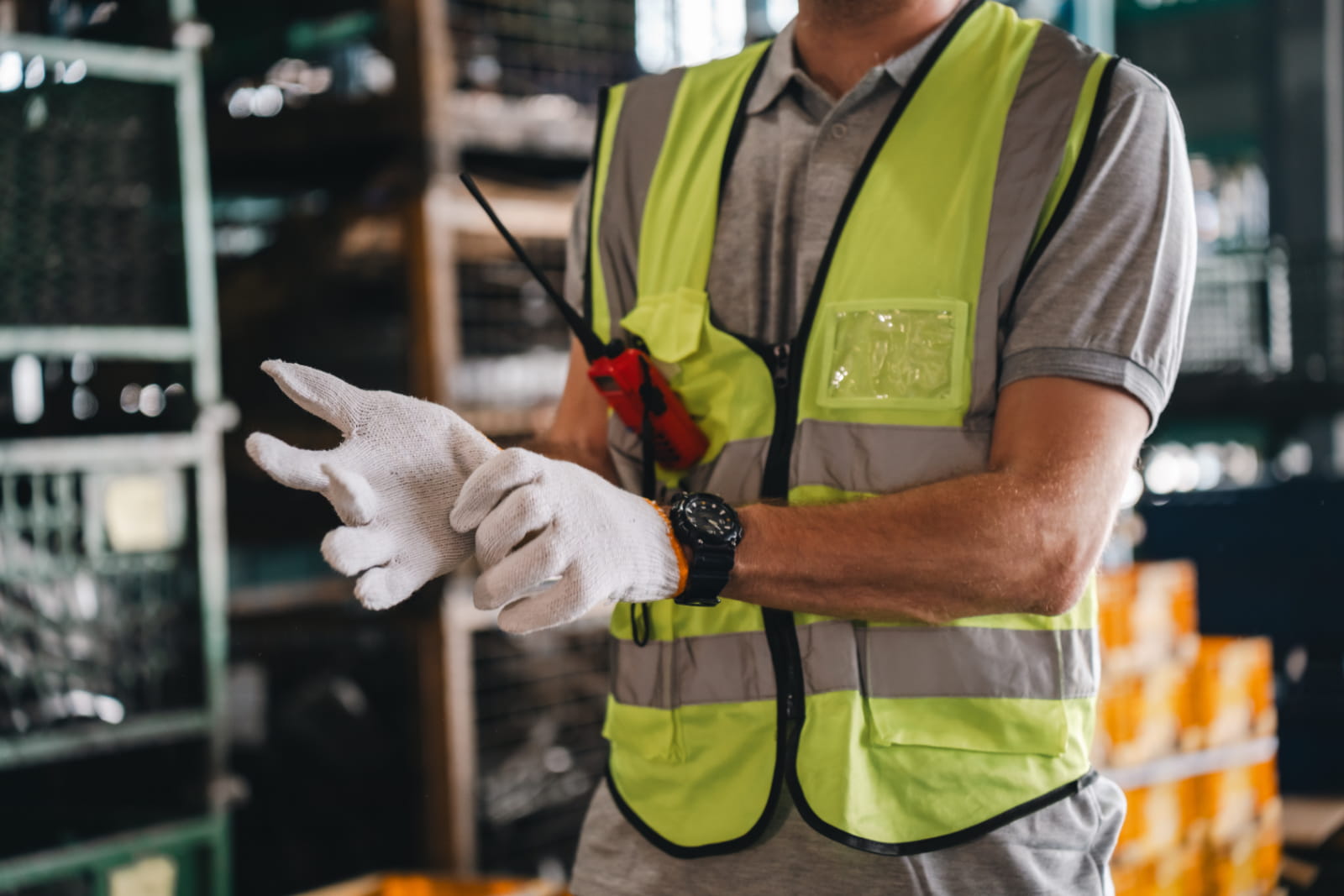
Pre-use checks are one of the simplest ways to prevent a mechanical problem from developing into an accident. SAQA Unit Standard 123260 specifically includes pre-operational inspections within the competencies expected from tail-lift operators. Employees should know what normal equipment looks, sounds and feels like before they are expected to identify something abnormal.
These inspections should be carried out consistently rather than only when the vehicle has recently been repaired. A small hydraulic leak, damaged control, bent component or unusual platform movement can become much more serious under load. Finding the problem before cargo is placed on the platform is therefore far safer than discovering it halfway through a lift cycle.
Typical pre-use checks should cover:
- Visible damage to the platform and lifting mechanism
- Hydraulic leaks or damaged hoses
- Condition and operation of the controls
- Unusual sounds or movement during deployment
- Safety devices and emergency controls
- Platform surface condition and slip resistance
- Hinges, pivots and other moving components
- Warning markings and safe working load information
- Obstructions around the lift
- Any defects reported during the previous shift
The inspection process should also continue throughout the working day. The SAQA standard refers to operational checks, post-loading checks, periodic checks during transport and end-of-shift inspections. This recognises that equipment condition can change as a vehicle completes multiple deliveries and loading cycles.
Any significant defect should be recorded and reported rather than simply passed to the next driver. Clear reporting helps fleet managers identify recurring failures and arrange maintenance before equipment becomes unsafe. It also creates a stronger maintenance history, making it easier to understand whether a component is experiencing normal wear or repeated failure.
Understand Safe Working Loads and Load Centres
Rated capacity is one of the most important figures attached to a tail lift, but the number needs to be understood properly. Dhollandia SA’s cantilever range alone spans approximately 500 kg to 3,000 kg. That wide range demonstrates why operators cannot assume that one vehicle’s lifting limits apply to another.
The position of the load also matters. A 1,000 kg item placed close to the designed load centre does not necessarily create the same forces as the same load placed further out on the platform. Operators should follow the manufacturer’s load diagrams and capacity information rather than focusing only on the total mass of the cargo.
Fleet managers should therefore include safe working load and load-centre principles in both training and day-to-day procedures. Operators should know how to check cargo weight and understand when load dimensions or positioning create a problem. Staying below the nominal capacity figure is only one part of safe loading.
Vehicle Positioning Is Part of Tail-Lift Safety
The vehicle itself needs to be positioned safely before the tail lift is deployed. Stable ground, adequate clearance and appropriate vehicle securing all contribute to a safer working area. Operators should also consider surrounding vehicles, pedestrians, loading-bay infrastructure and other hazards.
This becomes particularly important for delivery fleets because drivers rarely work in one controlled environment. A tail lift might be used at a distribution centre in the morning, outside a retail store later and on uneven customer premises in the afternoon. Each location creates different risks.
Operators should therefore make a simple site assessment before deploying the platform. If the vehicle cannot be positioned safely, the answer should not be to proceed anyway because the delivery is urgent. The loading method or vehicle position should be changed before work continues.
Different Tail Lifts Create Different Safety Considerations
The type of tail lift fitted to a vehicle directly affects the operating procedure. Cantilever lifts are widely suited to straightforward loading and unloading, while slider and fold-away systems are designed to retract beneath the vehicle. Column lifts use a different arrangement again, with the platform travelling vertically along rear-mounted columns.
These differences also affect how operators access the cargo area. Slider and fold-away systems can leave the back of the vehicle unobstructed when stored, making them useful for fleets that also load from docks or with forklifts. That operational flexibility is valuable, but it means drivers need to understand the correct deployment and storage sequence.
Key considerations for different lift types include:
- Cantilever lifts: Understand platform tilt, capacity and ground contact
- Slider lifts: Check that the lift deploys and retracts correctly beneath the chassis
- Fold-away lifts: Follow the correct unfolding and storage sequence
- Column lifts: Understand vertical platform travel and rear-mounted components
- Aluminium platforms: Check the surface and condition despite the lower platform weight
- Steel platforms: Consider the heavier construction and demanding operating environments
- Safety rails and ramps: Make sure optional equipment is correctly positioned and secured
Dhollandia SA’s listed cantilever range extends from around 500 kg to 3,000 kg, while slider models cover approximately 1,000 kg to 3,000 kg. Fold-away models on the local range include capacities between about 750 kg and 2,000 kg. These numbers show why procedures cannot simply be copied from one vehicle to another.
Operators should also be familiar with safety and emergency features fitted to their particular model. Examples within the Dhollandia range include electrical safety valves, manual emergency operation and automatic platform tilt at ground level. These systems improve functionality and safety, but only when the operator understands their purpose and uses them correctly.
Maintenance Supports Safe Tail-Lift Operation
A competent operator cannot compensate indefinitely for neglected equipment. Tail lifts contain hydraulic, electrical and mechanical components that experience repeated loading cycles, vibration, weather exposure and road contamination. Preventive maintenance allows developing faults to be identified before they lead to breakdowns or safety incidents.
Dhollandia uses several design features intended to improve durability and maintenance. Depending on the model, these include grease nipples at important articulation points, low-maintenance bearings, hard-chromed stainless-steel piston rods and corrosion-resistant treatments. Protective finishes can be especially valuable on commercial vehicles exposed to moisture and demanding road conditions.
These design features still need to be supported by scheduled servicing. Maintenance intervals should follow the manufacturer’s instructions and consider how intensively the vehicle is used. A lift completing numerous delivery cycles every day may experience very different wear from equipment used only occasionally.
Keep Inspection and Maintenance Records
Record keeping gives fleet managers a clearer picture of equipment condition over time. Instead of treating each repair as an isolated event, maintenance records can reveal repeated component failures, recurring hydraulic issues or patterns associated with particular vehicles.
The SAQA standard emphasises recording and reporting defects and deviations as part of competent operation. The wider South African lifting-equipment framework also places importance on documentation for examinations, tests, repairs and modifications where applicable. These records become particularly useful during audits or investigations.
A practical fleet record should therefore capture the date, vehicle or lift identification, defect found, action taken and person responsible. Keeping this information throughout the equipment’s working life gives managers a stronger basis for maintenance decisions and replacement planning.
What Should Operators Do When Something Goes Wrong?
Operators should know exactly what to do when a tail lift behaves unexpectedly. Warning signs might include hydraulic leaks, jerky movement, unusual noises, damaged controls, failure to hold the platform level or visible structural damage. Continuing to work under these conditions can expose both the operator and the load to unnecessary risk.
Emergency features can help an operator respond safely. Some Dhollandia models include electrical safety valves and manual emergency operation on electro-valves. These features are designed to support safe control when normal operation is disrupted, but they should only be used according to the manufacturer’s instructions.
The most important rule is that emergency systems should not become a workaround for defective equipment. Once a fault has been identified, it should be reported and assessed by a competent person. A delayed delivery is easier to manage than an injury or a damaged vehicle.
Why You Can Trust Dhollandia SA
At Dhollandia SA, we combine local support with access to a broad range of tail-lift solutions. We are the authorised Dhollandia dealer in South Africa, continuing the legacy of DH Lifts since 2018. We operate from Johannesburg, Cape Town, Durban and Port Elizabeth, giving customers access to support across several major commercial centres.
Our team has more than 20 years of combined industry experience. We supply cantilever, slider, fold-away and column lifts, with additional van and passenger solutions available for specialist applications. This allows us to consider the vehicle, cargo, access requirements and working environment rather than recommending equipment based on capacity alone.
Our services include:
- Tail-lift sales and product selection
- Professional installation support
- Maintenance and repairs
- Warranty assistance
- 24-hour national breakdown support
- Advice on matching lift capacity to operational requirements
- Support for several different tail-lift configurations
We also understand that purchasing the lift is only the beginning of its working life. Regular maintenance, timely repairs and correct operation all influence reliability. Our support services are designed to help fleet operators keep their equipment working effectively while reducing avoidable downtime.
Because different vehicles and cargo types create different demands, we approach each application according to its practical requirements. Whether the fleet needs a compact fold-away solution or equipment capable of moving loads approaching 3,000 kg, we can help customers identify a configuration suited to their operation.
Building a Safer Approach to Tail Lifts
Safe tail lifts depend on several controls working together. Training, inspection, maintenance, suitable equipment and correct loading procedures all contribute to risk reduction. Focusing on only one area can leave significant gaps elsewhere in the operation.
The capacity ranges available on commercial equipment show why this matters. A Dhollandia cantilever lift can range from approximately 500 kg to 3,000 kg, a sixfold difference in nominal capacity. Operators need to know the exact limits of the lift fitted to their own vehicle rather than relying on general experience.
Fleet managers should therefore build tail-lift safety into normal operating procedures. Daily checks, clear defect-reporting processes, planned maintenance and equipment-specific instruction should become routine rather than being introduced only after an incident.
Need a Lift?
Safe tail lifts can make loading and unloading far more efficient, but safe operation relies on much more than the equipment itself. Competent operators, pre-use checks, correct loading, suitable vehicle positioning, maintenance and accurate records all help reduce risk. South African fleet operators should also make sure their procedures reflect the regulations, training requirements and manufacturer’s instructions that apply to their equipment.
At Dhollandia SA, we can help you choose, install, maintain and support tail lifts suited to the way your fleet actually works. Whether you need a cantilever, slider, fold-away or column solution, get in touch with us to discuss your vehicle, cargo and loading requirements so we can help you find the right solution.